

What to Do After Tooth Extraction: A Complete Recovery Guide

Dentist in Bellingham, WA

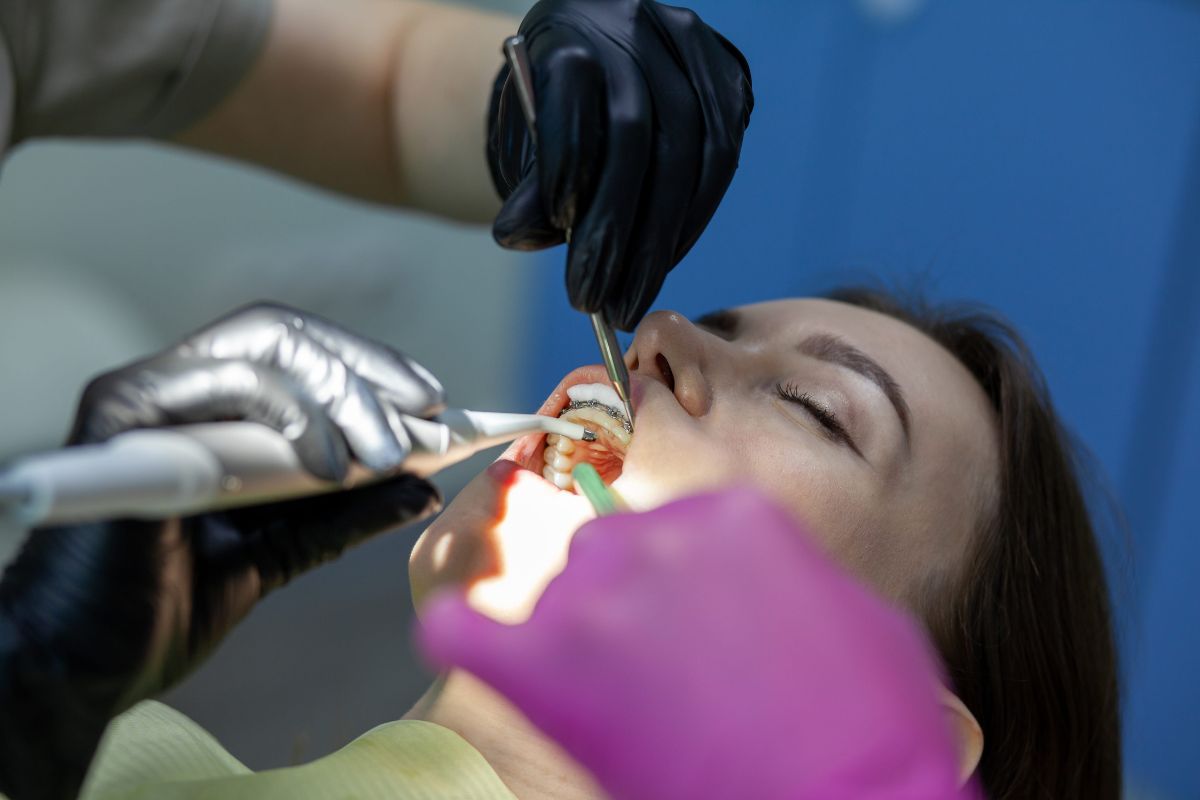
Tooth extraction can feel overwhelming—whether it’s due to severe decay, periodontal disease, or orthodontic needs. But here’s the good news: with proper aftercare, most patients recover smoothly and comfortably within 7-10 days. The key to a successful recovery lies in understanding what to expect and following evidence-based guidelines that actually work.

At Love Dentistry in Bellingham, WA, we’ve guided thousands of patients through their extraction recovery with confidence and minimal complications. This comprehensive guide will walk you through everything you need to know to ensure your mouth heals properly and gets you back to normal as quickly as possible.

What to Do Immediately After Your Extraction

  • Keep the gauze in place for the right amount of time: Bite down on the gauze pad your dentist provided for 30-45 minutes to allow the blood clot to form properly. Some bleeding is normal, and you may notice a slight taste of blood in your saliva. If bleeding continues heavily after an hour, contact your dental office immediately.
  • Apply ice during the first 6 hours: Use an ice pack wrapped in a thin cloth and apply it to the outside of your cheek for 15 minutes on, 15 minutes off. This reduces swelling and numbs the area naturally. Think of ice as your best friend during the first day—it significantly impacts how much swelling you’ll experience.
  • Rest completely for the remainder of the day: Your body has just been through a surgical procedure. Avoid strenuous activities, exercise, bending, or heavy lifting for at least 3-5 days. Increased blood pressure from activity can cause bleeding and swelling to worsen.
  • Keep your head elevated. Whether you’re sitting or sleeping, keep your head elevated above your heart. Use extra pillows to prop yourself up—this simple step dramatically reduces post-extraction swelling and makes you feel more comfortable.
  • Avoid touching or rinsing the extraction site: Resist the urge to check on your extraction site with your tongue or fingers. The blood clot is delicate, and disturbing it can lead to a painful condition called dry socket. Don’t use a straw, spit forcefully, or rinse your mouth for at least 5-7 days.

Nutrition: Eating Smart During Recovery

You don’t need to starve yourself during recovery—but you do need to be strategic about what you eat. Avoid hot foods for at least 5-7 days, as heat increases blood flow to the extraction site and can cause bleeding.

  • Soft, cool foods should be your staple: Smoothies (lukewarm, not hot), Greek yogurt, pudding, mashed potatoes, and ice cream are excellent choices. These foods provide nutrition without requiring chewing near the extraction site.
  • Avoid hard, crunchy, or sticky foods: No chips, nuts, popcorn, caramel, or anything that requires significant chewing. These foods can dislodge your blood clot or irritate the healing tissue.
  • Stay hydrated throughout your recovery: Drink plenty of water, but avoid using straws for at least one week. The suction from a straw can disturb your blood clot.
  • Protein supports healing: Include soft protein sources like scrambled eggs, cottage cheese, and protein smoothies. Your body needs protein to build new tissue and heal effectively.

What to Do After Tooth Extraction: Days 2-10

  • Continue ice therapy through day 2: After day 2, switch to heat therapy if swelling persists. A warm compress applied for 15 minutes at a time can improve circulation and ease discomfort.
  • Gentle oral hygiene is essential: After 24 hours, you can carefully brush your other teeth, but avoid the extraction site. Starting around day 3-4, you can very gently brush near the area with an extra-soft toothbrush, being extremely careful not to disturb the healing tissue.
  • Sleep on your side or back: Avoid sleeping on the side of your mouth where the extraction was performed. Sleeping on your back with your head elevated continues to minimize swelling and keeps you comfortable.
  • Return to normal activities gradually: Light activities like short walks are fine after 3-4 days, but avoid intense exercise, gym time, or sports for at least 5-7 days. Your extraction site is still healing, and an increased heart rate can cause bleeding.
  • Watch for warning signs: Increasing pain after 3-4 days, persistent bleeding, signs of infection (fever, pus, bad taste), or difficulty swallowing warrant an immediate call to your dentist.

Contact Love Dentistry in Bellingham, WA today to schedule your consultation. We’ll discuss your options, answer all your questions, and ensure you feel confident moving forward with your dental health.

Recovery Timeline: What to Expect Week by Week

  • Days 1-3: Maximum swelling, significant discomfort, and slight bleeding are normal. Follow all ice and rest recommendations. Take pain medication as directed and eat only soft foods.
  • Days 4-7: Swelling begins to decrease noticeably. Discomfort lessens significantly for most patients. You can gradually introduce slightly more textured soft foods. Continue avoiding strenuous activity.
  • Days 8-14: Most patients feel nearly normal by this point. Minor swelling may remain, but pain is typically minimal. You can return to normal activities, including light exercise. Continue being gentle with the extraction site.
  • Weeks 3-6: The extraction site continues healing beneath the surface. The hole gradually fills with bone. You can resume all normal activities and eating habits.
  • Months 2-6: Complete bone healing occurs, though it’s not visible to the naked eye. This is why we often wait several months before placing dental implants—we need adequate bone support for long-term success.

Dry Socket: Prevention and Recognition

Dry socket (alveolar osteitis) occurs in about 2-5% of extractions and develops when the blood clot becomes dislodged. The exposed bone becomes extremely painful, typically developing 3-4 days after extraction.

  • Prevent dry socket by: Avoiding straws and forceful rinsing, not smoking or using tobacco products, following all post-operative instructions, and being gentle when brushing near the site.
  • Recognize dry socket symptoms: Severe pain that worsens several days after extraction, visible bone in the socket, bad taste or odor, and possibly swollen lymph nodes.

If you suspect a dry socket, contact your dentist immediately. It’s treatable with special dressings and medications, but it’s far better to prevent it through careful aftercare.

Why Choose Love Dentistry

At Love Dentistry in Bellingham, WA, we understand that extractions are often a source of anxiety for our patients. That’s why we’ve built our practice around compassionate care, cutting-edge techniques, and comprehensive aftercare support.

Our team has performed countless extractions using the latest atraumatic techniques, resulting in minimal tissue damage and faster healing. We provide detailed post-operative instructions tailored to your specific situation, and we’re always available by phone if you have questions during your recovery.

Beyond extraction, we focus on tooth preservation and prevention. Our goal is to help you keep your natural teeth whenever possible through advanced preventive care, early disease detection, and conservative treatment approaches. When extraction is necessary, we ensure it’s done with precision and followed by excellent aftercare guidance.

We also work with you on replacement options—whether that’s a dental implant, bridge, or partial denture—so you can restore your smile and function completely. Your complete oral health and satisfaction are our top priorities.

Conclusion

Recovery after tooth extraction doesn’t have to be complicated or uncomfortable. By following this comprehensive guide—keeping your gauze in place, using ice strategically, maintaining proper nutrition, avoiding physical activity, and protecting your blood clot—you’ll heal faster and experience fewer complications.

Remember that every patient heals at their own pace. Some people feel back to normal within a week, while others need slightly longer. The most important thing is to follow your dentist’s specific instructions and listen to your body.

At Love Dentistry in Bellingham, WA, we’re here to support you throughout your entire recovery journey. If you have any concerns, questions, or complications during your healing, don’t hesitate to reach out. We’re committed to ensuring you recover comfortably and completely.

Schedule your appointment with Love Dentistry today and experience professional extraction care backed by compassionate, expert guidance. Our team will be with you every step of the way—from the procedure through complete healing.

FAQs About Tooth Extraction Recovery

Q: When can I drink hot beverages after a tooth extraction? 

A: Wait at least 5-7 days before consuming hot drinks. Heat increases blood flow to the extraction site and can cause bleeding. Stick with lukewarm or cool beverages during the first week of recovery.

Q: Is it normal to have a bad taste or odor coming from the extraction site? 

A: A slight metallic taste is normal during the first few days. However, a persistent bad taste or foul odor after a week may indicate infection or dry socket. Contact your dentist if this occurs.

Q: When can I resume flossing around the extraction site? 

A: Wait at least 5-7 days before resuming full oral hygiene. You can begin very gentle rinsing after 24 hours and carefully brush nearby teeth after 3-4 days, but avoid the extraction site completely until it’s well on its way to healing.

Q: How much swelling is normal after tooth extraction? 

A: Some swelling is expected and peaks around 48-72 hours after extraction. If swelling is severe, doesn’t improve by day 3, or worsens after improving, contact your dentist. Excessive swelling can indicate infection.

Q: What should I do if my extraction site starts bleeding again days later? 

A: Bite down on fresh gauze for 30 minutes with firm but not painful pressure. If bleeding persists for more than an hour or recurs, contact your dentist. Some slight oozing is normal, but heavy bleeding isn’t.
What Causes Tooth Sensitivity and How to Stop It: A Complete Guide from Love Dentistry

Dentist in Bellingham, WA

Tooth sensitivity is more than just an uncomfortable sensation when you bite into your favorite ice cream or sip hot coffee. For millions of people, it’s a persistent problem that interferes with eating, drinking, and enjoying everyday activities. If you’re experiencing sharp, shooting pain in your teeth, you’re not alone—and the good news is that there are effective solutions available.

At Love Dentistry in Bellingham, WA, we’ve helped countless patients overcome tooth sensitivity and reclaim their quality of life. In this comprehensive guide, we’ll explore what causes tooth sensitivity, why it happens, and most importantly, how you can stop it for good.

Understanding What Causes Tooth Sensitivity

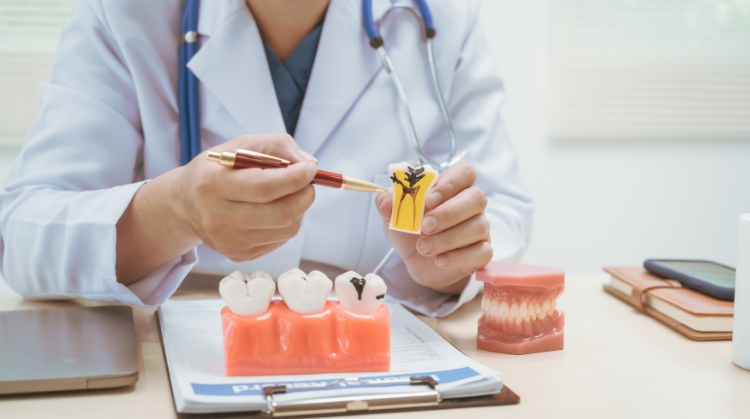
Tooth sensitivity develops when the underlying layer of your tooth, called dentin, becomes exposed. Think of your tooth structure like a tree: the outer bark is your enamel (the hard protective layer), and beneath it is the softer dentin. When dentin is exposed, the tiny tubules within it allow external stimuli—like temperature, pressure, or acids—to reach the nerve of your tooth, causing that sharp, unpleasant sensation.

Unlike the outer enamel, dentin contains microscopic pores that connect directly to the nerve center of your tooth. When these pores are exposed, even simple activities become uncomfortable. This is why tooth sensitivity often feels worse in certain teeth and can develop suddenly or gradually over time.

The most common causes of exposed dentin include:

  • Enamel erosion from acidic foods and beverages
  • Aggressive brushing that wears away enamel and gums
  • Gum recession, which exposes the tooth root
  • Tooth grinding or clenching (bruxism)
  • Cracked or chipped teeth
  • Cavities or decay
  • Worn dental fillings

Understanding the root cause of your sensitivity is the first step toward effective treatment.

What Causes Tooth Sensitivity: The Detailed Breakdown

Enamel Erosion and Acid Attack

One of the primary culprits behind tooth sensitivity is enamel erosion. Your tooth enamel is the hardest substance in your body, but it’s not invincible. Constant exposure to acidic substances gradually dissolves this protective layer.

Acidic foods and drinks are everywhere in our diets—citrus fruits, soda, energy drinks, wine, and even flavored yogurts contain acids that attack your enamel. When you consume these items frequently, your enamel doesn’t have adequate time to remineralize, and erosion accelerates. Over time, as enamel thins, the sensitive dentin underneath becomes increasingly exposed.

The process is often accelerated by how you consume acidic foods. Sipping acidic beverages throughout the day is particularly damaging because it constantly bathes your teeth in acid. Additionally, brushing your teeth immediately after consuming acidic foods can further damage softened enamel.

Gum Disease and Recession

Gum recession is another major cause of tooth sensitivity. Your gums naturally protect your tooth roots, which are softer than the crown and naturally sensitive. When gums recede due to gum disease, overly aggressive brushing, or aging, the roots become exposed.

Unlike the crowned portion of your tooth, the root has no enamel covering—only a softer layer called cementum. This makes exposed roots significantly more sensitive. Gum disease causes inflammation and infection that can lead to progressive recession and, if left untreated, result in serious consequences for your oral health.

Grinding and Clenching

Bruxism, or teeth grinding, is surprisingly common and often goes unnoticed, especially if you grind at night. The constant friction and pressure from grinding wear away enamel over time and can also lead to tooth fractures, further exposing sensitive dentin.

If you wake up with jaw pain, notice your teeth are flatter than they used to be, or your partner mentions you grind at night, this could be contributing to your sensitivity.

Dental Procedures and Damage

Sometimes tooth sensitivity develops after dental work. Root planing, whitening treatments, and fillings can temporarily increase sensitivity as the tooth recovers. However, this sensitivity typically subsides within a few weeks.

Cracked or chipped teeth, whether from trauma or biting down on hard objects, expose the dentin and create pathways for bacteria and irritants to reach the nerve.

Don’t let tooth sensitivity control your life anymore. Contact Love Dentistry today to schedule a consultation and discover how we can help restore your comfort and confidence.

Proven Strategies to Eliminate Tooth Sensitivity

Use a Desensitizing Toothpaste

Desensitizing toothpastes work by blocking the tubules in the exposed dentin, preventing stimuli from reaching the nerve. These products contain compounds like potassium nitrate or strontium chloride that effectively reduce sensitivity.

For best results, apply the toothpaste directly to the sensitive area and let it sit for a minute before rinsing. Use it consistently—you may notice improvement within three to five applications.

Improve Your Brushing Technique

Gentle brushing is essential for preventing further enamel damage and gum recession. Use a soft-bristled toothbrush and employ gentle, circular motions rather than aggressive scrubbing. Harsh brushing can accelerate enamel wear and push gums back, worsening sensitivity.

Replace your toothbrush every 3 months and avoid brushing immediately after eating acidic foods or consuming an acidic beverage. Wait at least 30 minutes to allow your enamel to remineralize.

Adjust Your Diet

Limiting acidic foods and beverages is crucial for protecting your enamel. This doesn’t mean you must eliminate them; rather, consume them mindfully.

  • Drink acidic beverages through a straw to minimize contact with teeth
  • Rinse your mouth with water after consuming acidic items
  • Wait 30 minutes before brushing after acidic exposure
  • Choose water as your primary beverage
  • Limit citrus fruits and eat them with meals rather than as standalone snacks

Use Fluoride Products

Fluoride strengthens enamel and helps prevent sensitivity. Ask your dentist about professional fluoride treatments, or use a fluoride mouth rinse at home. Fluoride strengthens your enamel, making it more resistant to acid attacks.

Treat Underlying Gum Disease

If gum disease is causing your sensitivity, professional treatment is essential. Professional cleaning can remove tartar and plaque buildup, and in some cases, antibiotic therapy may be recommended. Once gum disease is controlled, sensitivity often improves as gums heal.

Consider Professional Treatments

For severe sensitivity that doesn’t respond to home care, professional treatments are available. Dental bonding can cover exposed root surfaces, creating a barrier between the dentin and external irritants. Gum grafting may be recommended if a significant recession has occurred.

Why Choose Love Dentistry

At Love Dentistry in Bellingham, WA, we understand how frustrating tooth sensitivity can be. We’ve built our practice on providing compassionate, comprehensive care tailored to each patient’s unique needs.

When you visit our practice, you’ll experience dentistry focused on listening to your concerns and developing personalized treatment plans. Our team stays up to date with the latest desensitizing techniques and materials, ensuring you receive the most effective solutions available.

We offer advanced diagnostic tools that help us identify the exact cause of your sensitivity, allowing us to target treatment precisely. Whether you need professional fluoride applications, gum disease treatment, or restorative procedures, we provide comprehensive solutions in a comfortable, welcoming environment.

Prevention Tips for Long-Term Success

Preventing tooth sensitivity is always easier than treating it. Implement these strategies to protect your smile:

  • Maintain a consistent oral hygiene routine with gentle brushing and daily flossing
  • Use fluoride toothpaste and mouthwash
  • Limit acidic foods and drinks
  • Address teeth grinding with a custom nightguard
  • Visit your dentist regularly for checkups and professional cleanings

Conclusion

Tooth sensitivity doesn’t have to be permanent. With the right approach—combining home care strategies, dietary adjustments, and professional treatment when needed—you can eliminate this uncomfortable condition and enjoy all your favorite foods and drinks again.

The journey to a sensitivity-free smile begins with understanding what’s causing your discomfort and taking action. Whether you implement home remedies or seek professional help, the important thing is that you’re addressing the problem.

If you’re ready to take control of your tooth sensitivity, Love Dentistry in Bellingham, WA, is here to help. Our experienced team will work with you to identify the cause and develop an effective treatment plan tailored to your specific needs. Schedule your appointment today and take the first step toward lasting relief and a healthier, more comfortable smile.

Don’t wait for sensitivity to worsen. Contact Love Dentistry now and discover the difference professional, compassionate care can make in your oral health and overall quality of life.

Frequently Asked Questions About Tooth Sensitivity

Q: Is tooth sensitivity ever a sign of a serious problem?

A: While most sensitivity is manageable, persistent sensitivity can indicate cavities, gum disease, or cracked teeth. If your sensitivity is localized to a single tooth, it’s important to have it professionally examined. We recommend scheduling an appointment at Love Dentistry to rule out serious underlying issues.

Q: Can tooth sensitivity go away on its own?

A: In some cases, temporary sensitivity (like after a whitening treatment) resolves independently. However, chronic sensitivity from enamel erosion or gum recession typically requires intervention. The sooner you address it, the better your outcomes will be.

Q: How long does it take for desensitizing products to work?

A: Most people experience noticeable improvement within one to two weeks of consistent use, though some relief can occur within days. Professional treatments often provide faster results than over-the-counter products.

Q: Can I reverse enamel erosion?

A: Unfortunately, enamel doesn’t regenerate once it’s lost. However, you can stop further erosion through dietary changes and proper oral care. Treatments like dental bonding or veneers can cover damaged areas and restore function and appearance.

Q: Will a nightguard help with sensitivity caused by grinding?

A: Yes, a custom nightguard from Love Dentistry can protect your teeth from grinding damage and reduce related sensitivity. It also decreases jaw pain and helps prevent future damage to your smile.

Cracked or Chipped Tooth? Here’s What You Should Do

Dentist in Bellingham, WA

A cracked or chipped tooth can be an alarming experience. Whether it happens from biting down on something hard, an accidental fall, or sports-related trauma, knowing the right steps to take can help prevent further damage and discomfort. If you are dealing with a dental emergency, here’s what you need to do to protect your smile.

Immediate Steps to Take

If you’ve just chipped or cracked a tooth, taking quick action can make all the difference in saving your tooth and preventing complications. Here’s what you should do right away:

1. Assess the Damage

Not all tooth injuries are the same. A minor chip might not require urgent care, but a deep crack can expose the nerve, causing significant pain and sensitivity. Examine the affected tooth in a mirror or ask someone to check it for you.

2. Rinse Your Mouth

Use warm water to rinse your mouth and clean the affected area. This helps remove any debris and reduces the risk of infection. If there’s bleeding, gently bite down on a piece of gauze or a clean cloth to control it.

3. Protect the Tooth

If a piece of your tooth has broken off, try to locate it and store it in a small container with milk or saline solution. This may help preserve it in case your dentist can reattach it. For minor chips, you can apply a piece of sugar-free gum or dental wax over the rough edges to prevent irritation.

4. Manage Pain and Swelling

Over-the-counter pain relievers like ibuprofen can help with discomfort. You can also apply a cold compress to the outside of your cheek to reduce swelling and numb the pain.

5. Avoid Certain Foods and Drinks

Until you see a dentist, avoid very hot or cold foods, as well as anything too hard or chewy that could worsen the damage.

Why You Shouldn’t Ignore a Chipped or Cracked Tooth

Even if the injury seems minor, it’s important to seek professional care. Small chips can lead to larger fractures over time, and cracks can expose the inner layers of the tooth, increasing the risk of decay or infection. In severe cases, an untreated crack could lead to tooth loss.

Treatment Options for a Cracked or Chipped Tooth

The right treatment depends on the extent of the damage. When you visit a dentist in Bellingham, WA, they may recommend one of the following solutions:

Dental Bonding

For minor chips, a tooth-colored composite resin can be used to reshape and restore the tooth. This is a quick, non-invasive procedure that blends seamlessly with your natural teeth.

Dental Veneers

For more noticeable chips or cracks, a porcelain veneer can cover the damaged area and enhance the appearance of your smile. Veneers are durable and stain-resistant, making them a great long-term solution.

Dental Crowns

If the tooth has a significant crack or break, a dental crown might be necessary. A crown covers and protects the tooth, restoring its strength and function.

Root Canal Therapy

If the crack extends into the pulp of the tooth, it can lead to infection and severe pain. In this case, a root canal may be required to remove the damaged tissue and prevent further complications.  Once the root canal is completed you will need to have a filling or crown placed to complete the procedure.

Tooth Extraction (Last Resort)

In extreme cases where the tooth is beyond repair, extraction may be the only option. However, this is usually a last resort, and your dentist will discuss options for replacement, such as a dental implant or bridge.

When to Visit a Dentist

If you have a cracked or chipped tooth, don’t wait too long to seek treatment. Contact a trusted dentist in Bellingham, WA, as soon as possible, especially if you experience:

  • Severe pain or sensitivity
  • A visible crack that extends below the gumline
  • A loose or wobbly tooth
  • Swelling in your gums or face

Preventing Future Tooth Damage

While accidents happen, there are steps you can take to reduce the risk of chipping or cracking your teeth:

  • Wear a mouthguard if you play contact sports.
  • Avoid chewing on hard objects like ice, plastic, popcorn kernels, or pens.
  • Don’t use your teeth as tools to open bottles or tear packages.
  • Maintain good oral hygiene to keep your teeth strong and healthy.

Conclusion

Dealing with a chipped or cracked tooth can be stressful, but taking the right steps can help protect your smile and prevent further damage. Whether it’s a minor chip or a serious crack, seeking prompt dental care is essential. By following proper at-home care and visiting a trusted Bellingham, WA dentist, you can restore both the function and appearance of your tooth.

If you’re experiencing a dental emergency or need expert care for a damaged tooth, Love Dentistry is here to help. Don’t let a chipped or cracked tooth disrupt your daily life—schedule your appointment today and get back to smiling with confidence!

Love Dentistry
4101 Eliza Ave. Bellingham, WA 98226
(360) 623-7318

Visit Our Bellingham Blog

Dentist in Bellingham, WA

What Is the Difference Between a Dental Crown vs Filling for Tooth Decay?

April 1, 2026

You’re sitting in the dentist’s chair, and your dentist just told you that you have tooth decay. Before you can even process the news, they […]

What to Expect During a Dental Cleaning: Bellingham Dentists Provide

March 31, 2026

If you’ve ever put off a dental cleaning because you weren’t sure what to expect — or because the thought of sitting in that chair […]

Is It Normal to Experience Pain During the Dental Implant Healing Stages?

March 27, 2026

If you’ve recently had a dental implant placed — or you’re considering one — one of the first questions that comes to mind is: Will […]