

7 Reasons Why My Gums Bleed and How to Fix It

Dentist in Bellingham, WA

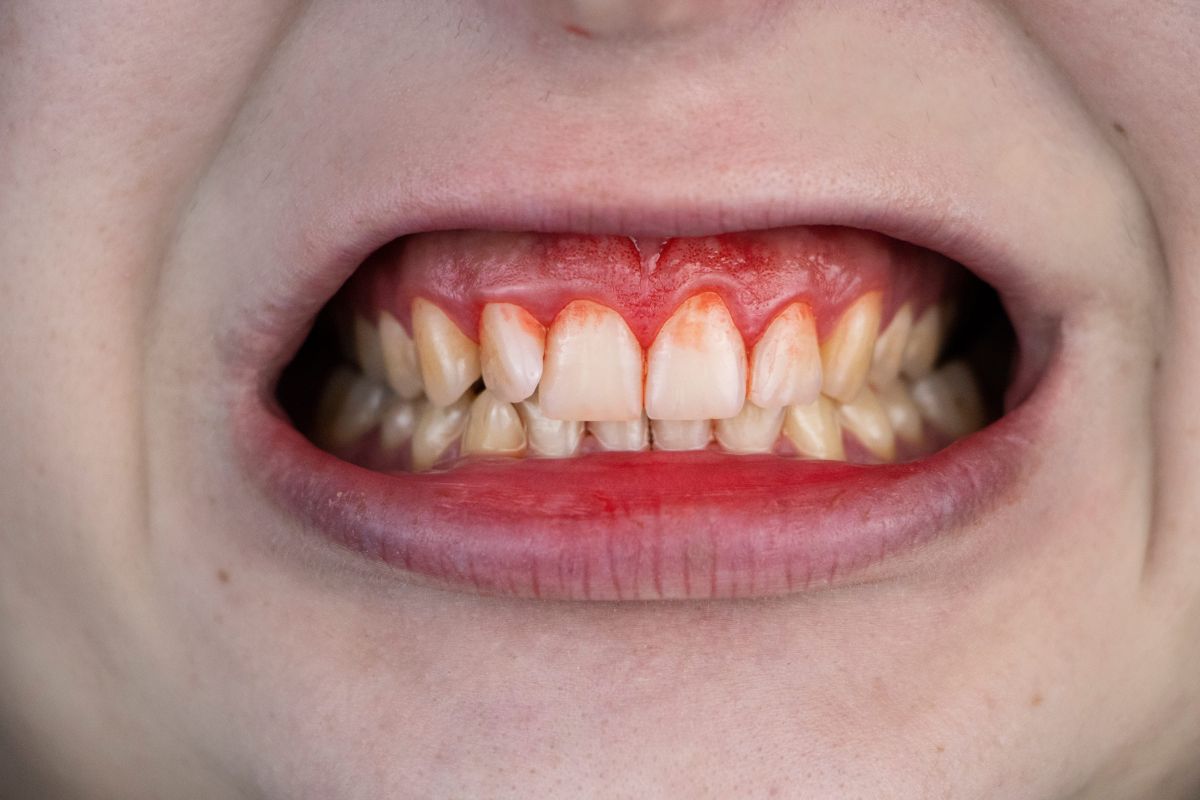
Have you noticed blood in your sink when brushing your teeth? Or you’ve spotted pink-tinged saliva after flossing. If you’re asking yourself, “Why do my gums bleed?” you’re not alone. 

Gum bleeding is one of the most common oral health concerns we see at Love Dentistry in Bellingham, WA, and while it can be alarming, understanding the underlying causes is the first step toward regaining a healthy smile.

Bleeding gums are typically a sign that something requires attention—whether it’s your daily oral hygiene routine or an underlying dental condition that needs professional care. 

The good news? Most cases of bleeding gums are entirely preventable and treatable. In this comprehensive guide, we’ll explore the seven most common reasons your gums bleed, what you can do about them, and when it’s time to visit your trusted dentist in Bellingham.

The 7 Reasons Why My Gums Bleed

Reason 1: Gingivitis – The Early Stage of Gum Disease

Gingivitis is inflammation of the gums caused by plaque buildup along the gum line. Plaque is a sticky film of bacteria that forms on your teeth constantly, and when it accumulates, it irritates and inflames your gum tissue. This inflammation is your body’s immune response, which makes your gums’ blood vessels more fragile and prone to bleeding.

What makes gingivitis particularly insidious is that many people don’t realize they have it until they notice bleeding. The early stages are often asymptomatic aside from the bleeding itself. However, the positive aspect of gingivitis is that it’s entirely reversible through improved oral hygiene and professional cleaning. Unlike periodontitis, which is a more advanced form of gum disease, gingivitis hasn’t yet affected the underlying bone structure.

Reason 2: Inadequate Oral Hygiene Habits

If you’re not brushing twice daily or flossing regularly, plaque and tartar accumulate on your teeth and along the gum line. This buildup creates an environment where bacteria thrive, leading directly to gum inflammation and bleeding. Many people brush their teeth but skip flossing, unaware that floss reaches approximately 40% of tooth surfaces that your toothbrush cannot reach.

Additionally, the technique matters. Aggressive brushing can actually irritate gums and cause bleeding, while gentle, consistent brushing with a soft-bristled toothbrush is ideal. The same applies to flossing—it should be done gently to avoid traumatizing tender gum tissue.

Reason 3: Hormonal Changes and Pregnancy

Pregnancy causes significant hormonal fluctuations that increase blood flow to the gums and make gum tissue more sensitive to plaque and bacteria. This condition, often called “pregnancy gingivitis” or “pregnancy tumors,” can cause severe gum bleeding and swelling even in women who maintain excellent oral hygiene.

Beyond pregnancy, hormonal changes during menstruation, menopause, and while taking birth control pills can increase gum sensitivity and bleeding. These hormonal shifts alter how your immune system responds to plaque, making your gums more susceptible to inflammation. Understanding this connection is important because it means increased gum bleeding during these times doesn’t necessarily indicate poor oral care—it’s a physiological response.

Reason 4: Nutritional Deficiencies

Your gums require specific nutrients to maintain strength and resist infection. Vitamin C deficiency, for example, compromises collagen production, which is essential for maintaining healthy gum tissue. Similarly, deficiencies in vitamin K, calcium, and folate can contribute to gum weakness and bleeding.

If you’re not consuming adequate fruits, vegetables, and nutrient-rich foods, your gums may suffer the consequences. This is particularly important for individuals with restricted diets or those who struggle with absorption issues. A diet rich in antioxidants and anti-inflammatory nutrients supports gum health naturally.

Reason 5: Certain Medications and Medical Conditions

Approximately 300 medications can contribute to gum disease as a side effect. Blood thinners like warfarin or aspirin therapy increase bleeding tendencies, including from the gums. Similarly, medications that reduce saliva production create an environment where bacteria flourish, leading to increased plaque formation and gum inflammation.

Medical conditions such as diabetes, leukemia, and HIV can also compromise your immune system’s ability to fight gum disease. Diabetes deserves special mention because the elevated blood sugar levels in diabetic individuals impair the body’s ability to fight infections, including those affecting gum tissue. This creates a bidirectional relationship: gum disease worsens diabetes control, and diabetes worsens gum disease.

Reason 6: Smoking and Tobacco Use

Smoking is one of the most significant risk factors for gum disease. Tobacco use compromises your immune system’s response to bacterial infection and reduces blood flow to the gums. This combination makes gums more vulnerable to infection and slower to heal. 

Additionally, smokers often have less obvious gum bleeding because nicotine constricts blood vessels, masking the problem, which means many smokers with severe gum disease don’t realize how serious their condition is until significant damage has occurred. The chemicals in tobacco also directly irritate gum tissue and interfere with the attachment of the gums to teeth, accelerating gum recession and bone loss.

Reason 7: Aggressive Brushing and Flossing Techniques

While maintaining good oral hygiene is essential, overzealous brushing or flossing can actually cause gum bleeding. Using a hard-bristled toothbrush, pressing too firmly, or flossing violently can traumatize gum tissue and cause temporary bleeding. This is particularly true if your gums are already sensitive or inflamed.

Think of it like caring for delicate skin—gentleness combined with consistency produces better results than aggressive treatment. Your gums are sensitive tissue that responds better to regular, gentle care than to sporadic, intense efforts.

Schedule a consultation with Love Dentistry today and let our experienced team help you achieve the healthy gums and beautiful smile you deserve.

How to Fix Bleeding Gums: Actionable Solutions

Once you understand why your gums are bleeding, it’s time to take action. Here are evidence-based strategies to restore gum health:

  • Master the proper brushing technique by using a soft-bristled toothbrush and gentle, circular motions, spending at least two minutes brushing
  • Floss daily using gentle motions, gliding the floss between teeth rather than snapping it forcefully into place
  • Rinse with an antimicrobial mouthwash specifically designed for gum health to reduce bacterial populations
  • Schedule a professional cleaning to remove tartar that cannot be removed through home care alone
  • Increase your intake of vitamin C, vitamin K, calcium, and antioxidant-rich foods to support gum tissue health
  • Stay hydrated to maintain adequate saliva production, which naturally protects against bacterial growth
  • Quit smoking or tobacco use to immediately improve your immune system’s ability to fight gum infection
  • If you’re taking medications that reduce saliva, discuss alternative options with your physician

When to Seek Professional Care

While home care is crucial, certain situations require professional dental intervention. If your gums continue bleeding after two weeks of improved oral hygiene, schedule an appointment immediately. Persistent bleeding can indicate more advanced gum disease, oral cancer, or other serious conditions requiring professional evaluation.

Your dentist at Love Dentistry in Bellingham, WA, can diagnose the specific cause of your gum bleeding and develop a personalized treatment plan. We use advanced diagnostic tools to assess gum health and identify problems that aren’t visible to the naked eye. 

Don’t let bleeding gums become a chronic issue—professional intervention at this stage can prevent years of future dental problems.

Why Choose Love Dentistry for Your Gum Health

At Love Dentistry in Bellingham, Washington, we understand that gum health is the foundation of overall oral health. Our experienced dental team is dedicated not only to treating gum disease but also to educating our patients about prevention. Informed patients make better decisions about their oral care.

When you visit Love Dentistry, you’ll receive a comprehensive gum evaluation that goes beyond a basic cleaning. We assess your specific risk factors, review your medications and medical history, and develop a personalized treatment plan addressing your unique needs. Our gentle approach to periodontal therapy ensures that even patients with sensitive gums feel comfortable during treatment.

We’re committed to using the latest diagnostic technology and evidence-based treatment protocols. Whether you’re dealing with early-stage gingivitis or more advanced gum disease, our team has the expertise and compassion to guide you back to gum health. We also recognize that gum disease prevention is cost-effective—treating early-stage gum disease is significantly less expensive and less invasive than addressing advanced periodontitis.

Beyond clinical care, we invest time in patient education. We’ll show you exactly how to brush and floss properly, discuss the role of nutrition in gum health, and help you understand how any medical conditions or medications might be affecting your gums. This personalized attention is what distinguishes Love Dentistry from other dental practices in Bellingham.

Conclusion

Bleeding gums are your mouth’s way of signaling that something needs attention. Whether the cause is simple—like inadequate flossing or aggressive brushing—or more complex —like hormonal changes or underlying medical conditions —the important thing is recognizing the problem and taking action. The seven reasons we’ve outlined represent the vast majority of gum bleeding cases, and most are entirely manageable with the right approach.

The path to healthier gums starts with consistent, gentle home care combined with professional support. The small time and effort you invest now in improving your oral hygiene and addressing gum health will pay dividends throughout your life, in the form of fewer dental problems, lower treatment costs, and better overall health.

Don’t let bleeding gums become a chronic problem. Learn the Reasons Why My Gums Bleed and contact Love Dentistry in Bellingham, WA, today to schedule your gum health evaluation and take the first step toward a healthier smile. Your gums—and your overall health—will thank you.

Frequently Asked Questions About Bleeding Gums

Q: Is some bleeding normal when I floss? A: Occasional light bleeding when you first start a consistent flossing routine is not uncommon as your gums adjust and inflammation decreases. However, if bleeding persists after several weeks or is heavy, this indicates gum disease and warrants professional evaluation.

Q: Can stress cause bleeding gums? A: Yes, chronic stress suppresses immune function, making your gums more vulnerable to bacterial infection and inflammation. Managing stress through exercise, meditation, and adequate sleep supports gum health.

Q: How long does it take to heal bleeding gums? A: With consistent home care and professional treatment, early-stage gingivitis typically improves within two to four weeks. More advanced gum disease may require several months of treatment and consistent home care.

Q: Should I avoid brushing areas that bleed? A: No, avoiding bleeding areas actually worsens the problem by allowing bacteria to accumulate. Continue gentle brushing and flossing in these areas—this actually helps healing by removing the bacterial biofilm causing inflammation.

Q: Can I reverse gum disease at home? A: Early-stage gingivitis can often be reversed with improved home care alone. However, more advanced gum disease requires professional intervention, including scaling and root planing or other treatments. This is why professional evaluation is important.
How to Prevent Gum Disease Before It Starts

Dentist in Bellingham, WA

Your gums are the foundation of your smile, yet they’re often overlooked until problems arise—learn how to prevent gum disease early.

Gum disease affects nearly half of adults over 30, but here’s the empowering truth: it’s largely preventable. This guide will equip you with actionable strategies to protect your gums and maintain optimal oral health for life.

The Silent Threat to Your Smile

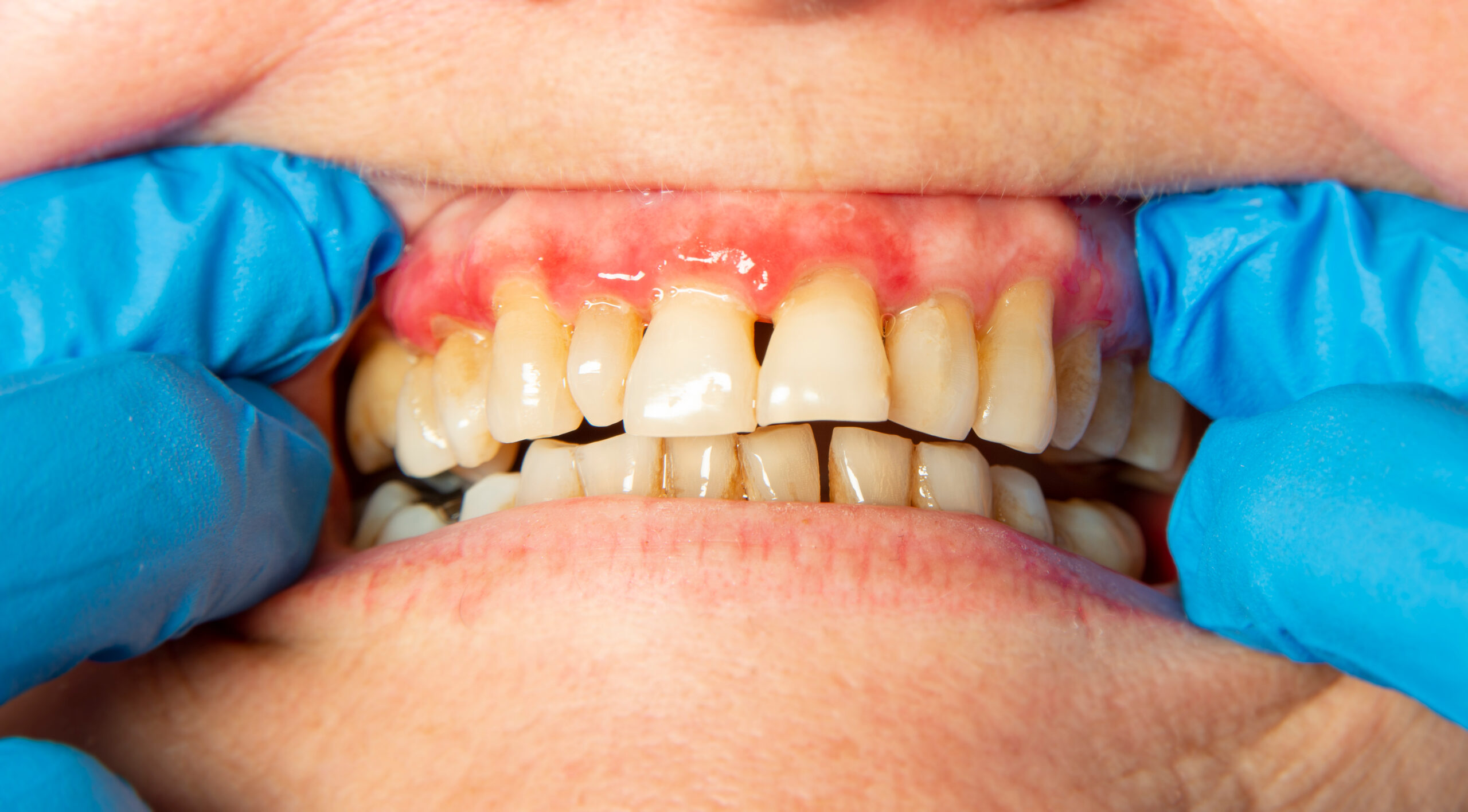
Gum disease begins quietly. It starts as gingivitis—characterized by red, swollen gums that bleed during brushing—and can progress to periodontitis, where the bone supporting your teeth deteriorates. The consequences extend beyond your mouth: research links advanced gum disease to heart disease, diabetes complications, and respiratory issues.

The good news? When you understand the risk factors and implement preventive measures early, you can stop gum disease before it ever takes hold.

The Foundation: Daily Habits That Transform Your Gum Health

Prevention starts with consistency. Your daily routine creates either a protective barrier or an invitation for bacterial invasion.

  • Master the two-minute rule: Brush twice daily for a full two minutes using soft-bristled brushes and fluoride toothpaste. Angle your brush at a 45-degree angle toward the gumline, using gentle circular motions. Aggressive brushing can damage gum tissue; consider a gentle circular massage instead of scrubbing.
  • Floss like your smile depends on it—because it does: Plaque accumulates in areas where your toothbrush can’t reach, particularly between teeth and below the gum line. Floss at least once daily, gently curving it around each tooth in a C-shape. If traditional floss feels awkward, try floss picks, water flossers, or interdental brushes to find your preferred method of cleaning.
  • Rinse strategically: Antimicrobial mouthwash reduces bacteria that cause gum inflammation. 

Choose alcohol-free formulas to avoid drying out your mouth, which can actually increase bacterial growth. Rinse for 30 seconds after brushing and flossing to maximize the effectiveness of your oral care routine.

How to Prevent Gum Disease Through Nutrition

Your diet has a direct impact on gum health in ways that may come as a surprise. What you eat either strengthens your body’s defenses or feeds harmful bacteria.

Load your plate with vitamin C-rich foods, such as citrus fruits, berries, and bell peppers. Vitamin C strengthens gum tissue and boosts your immune response against infection. Calcium and vitamin D from dairy products, leafy greens, and fortified foods build strong bones that support healthy teeth.

Crunchy vegetables, such as carrots and celery, act as natural toothbrushes, stimulating the gums and removing food particles. Meanwhile, omega-3 fatty acids found in fish, walnuts, and flaxseeds help reduce inflammation throughout the body, including the gums.

Limit sugar and refined carbohydrates. Harmful bacteria thrive on sugar, producing acids that attack both teeth and gums. When you do indulge, rinse your mouth with water afterward and wait 30 minutes before brushing to prevent the acid from spreading across your teeth.

The Professional Partnership

Home care is essential, but professional dental care completes your prevention strategy. Regular cleanings remove tartar—hardened plaque that cannot be eliminated with brushing alone. Tartar buildup is the primary pathway to gum disease.

Schedule dental checkups every six months, or more frequently as recommended by your dentist. During these visits, your dental team can identify early warning signs you might miss and provide deep cleanings that reset your oral health baseline.

Don’t wait for pain to prompt a visit to the dentist. Gum disease often progresses without discomfort until it reaches advanced stages. Preventive visits catch issues when they’re easiest and least expensive to treat.

Lifestyle Factors That Make or Break Gum Health

Your habits outside the bathroom mirror matter tremendously.

  • Quit smoking immediately: Tobacco use is one of the most significant risk factors for gum disease. It weakens your immune system, reduces blood flow to gums, and makes healing nearly impossible. If you smoke, quitting is the single most impactful decision you can make for your gum health.
  • Manage stress effectively: Chronic stress elevates cortisol levels, which suppresses your immune system and increases inflammation. This makes your gums more vulnerable to infection. Incorporate stress-reduction techniques like exercise, meditation, or hobbies you enjoy.
  • Stay hydrated: Saliva is your mouth’s natural defense system, washing away food particles and neutralizing acids that can cause damage to your teeth. Drink plenty of water throughout the day, especially if you take medications that cause dry mouth.

Why Love Dentistry

At Love Dentistry, we believe prevention is the ultimate expression of dental care. Our team combines cutting-edge technology with a genuinely personalized approach to help you maintain healthy gums for life.

We don’t just clean teeth—we educate and empower our patients. During your visits, we take the time to assess your unique risk factors, demonstrate proper techniques, and create customized prevention plans tailored to your lifestyle. Our gentle, thorough cleanings remove buildup that home care misses, while our comprehensive exams catch potential issues before they become problems.

Conclusion

Preventing gum disease isn’t complicated, but it does require commitment. By implementing these evidence-based strategies—maintaining meticulous home care, eating a nutrient-rich diet, visiting your dentist regularly, and making healthy lifestyle choices—you’re investing in decades of confident smiles and overall wellness.

The time to act is now, before symptoms appear. Healthy gums don’t just happen; they’re cultivated through consistent, informed choices. Your future self will thank you for the effort you invest today.

Don’t leave your gum health to chance. Contact Love Dentistry to schedule your evaluation and cleaning today. Let us help you build the strong foundation for a lifetime of healthy, beautiful smiles.

Frequently Asked Questions

  1. How do I know if I have gum disease? 

Early signs include bleeding gums when brushing or flossing, persistent bad breath, gum recession, and gums that appear red or swollen. However, gum disease can progress without apparent symptoms, making regular dental checkups essential for early detection.

  1. Can gum disease be reversed? 

Gingivitis, the earliest stage, is completely reversible with improved oral hygiene and professional cleaning. Once it progresses to periodontitis with bone loss, the damage cannot be fully reversed, but progression can be stopped and managed with proper treatment and maintenance.

  1. How often should I replace my toothbrush? 

Replace your toothbrush every three to four months, or sooner if the bristles become frayed. After recovering from illness, immediately replace your toothbrush to avoid reintroducing bacteria to your mouth.

  1. Is an electric toothbrush better for preventing gum disease? 

Studies show electric toothbrushes with oscillating heads can be more effective at removing plaque and reducing gingivitis compared to manual brushing. However, proper technique matters more than the type of brush you use.

  1. Can I prevent gum disease if it runs in my family? 

While genetics play a role, you can significantly reduce your risk by practicing diligent oral hygiene, undergoing regular professional care every 3-6 months, and adopting a healthy lifestyle. Inform your dentist about your family history so they can provide enhanced monitoring and preventive care.

How Periodontal Therapy Can Save Your Gums and Teeth

Dentist in Bellingham, WA

Periodontal therapy is a crucial intervention for maintaining oral health. It focuses on treating and preventing gum disease, which can lead to serious complications, including tooth loss.

A proactive approach to gum disease treatment not only enhances the health of your gums but also helps preserve your teeth for the long term.

In this blog post, we will delve into the importance of periodontal therapy, the process involved, and how it can significantly improve overall gum health.

Understanding Periodontal Disease

Periodontal disease, also known as gum disease, is a common condition that affects millions of people worldwide. Caused primarily by plaque buildup, it leads to inflammation and infection of the gums.

If left untreated, it can progress from gingivitis—mild irritation of the gums—to periodontitis, a more severe form that can result in gum recession and eventual tooth loss. Understanding the stages of periodontal disease is essential for recognizing the signs and seeking appropriate gum disease treatment.

Signs and Symptoms of Gum Disease

It’s vital to know the symptoms associated with gum disease. Early signs may include:

  • Swollen or red gums
  • Persistent bad breath
  • Bleeding gums during brushing or flossing
  • Loose teeth
  • A noticeable change in bite or tooth alignment

If you experience any of these symptoms, it’s crucial to seek professional help promptly. Regular dental check-ups can help catch these symptoms early, allowing for timely periodontal therapy.

The Role of Periodontal Therapy

Periodontal therapy focuses on reducing the bacteria responsible for gum disease and restoring gum health. The treatment options available depend on the severity of the condition. Here are some primary components of periodontal therapy:

Deep Cleaning

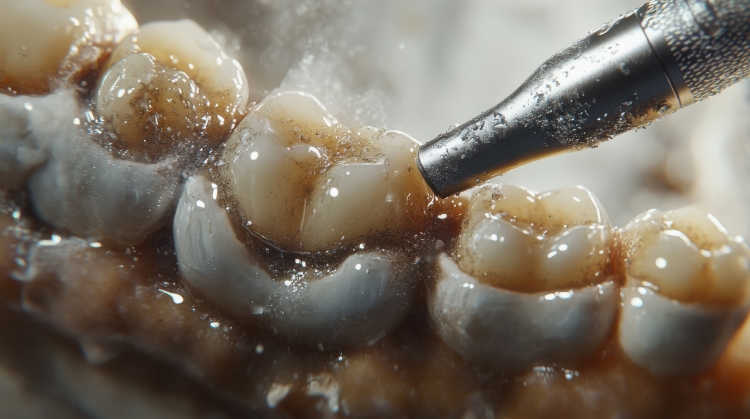
One of the first steps in gum disease treatment is performing a deep cleaning, or scaling and root planing. This involves removing plaque and tartar from below the gum line and smoothing out the tooth roots to promote gum reattachment. Deep cleaning is typically done under local anesthesia to ensure patient comfort, making it an effective way to treat the earlier stages of periodontal disease.

Surgical Options

In more severe cases, surgical intervention may be necessary. Procedures such as flap surgery, where the gums are lifted back to scrape away tartar, or bone grafts to regenerate lost bone, can help restore healthy gums. These more invasive forms of periodontal therapy aim to reduce pockets that may form due to gum recession and ensure that the teeth remain anchored in the mouth.

Benefits of Periodontal Therapy

The advantages of undergoing periodontal therapy extend beyond just healthy gums. Here are the key benefits:

Prevent Tooth Loss

One of the most compelling reasons for seeking gum disease treatment is to prevent tooth loss. Healthy gums are fundamental for holding teeth in place. Periodontal therapy helps to minimize the risk of losing teeth to advanced gum disease, thus preserving your natural smile and avoiding the need for dental implants or dentures.

Improved Overall Health

Research has shown a link between oral health and systemic diseases. By managing periodontal disease, you may reduce your risk for conditions such as cardiovascular disease and diabetes. Healthy gums can contribute to your overall well-being.

Enhanced Aesthetics

Beyond health, periodontal therapy can significantly improve the aesthetics of your smile. By treating gum disease, you can address issues like gum recession and maintain a more balanced gum-to-tooth ratio, leading to a more attractive smile.

Maintenance After Therapy

Successful periodontal therapy requires diligent maintenance. Following the treatment, regular dental check-ups and cleanings become imperative. Your Dental Professional will make recommendations on how often you should come in. 

For instance, you can be put on a 3 month or 4 month schedule. Patients should also establish a thorough oral hygiene routine at home, including brushing twice a day, flossing daily, and possibly using antibacterial mouth rinses as prescribed by their dentist.

Final Thoughts

In summary, periodontal therapy is essential in preserving the health of your gums and teeth. The proactive measures taken to treat and prevent gum disease can save not only your teeth but also enhance your overall quality of life.

By recognizing the signs early and seeking professional help, you can embark on a path to healthier gums and a brighter smile. Regular dental visits, proper home care, and effective gum disease treatment can make a substantial difference in your oral health journey. Don’t delay; consult your dentist today about how periodontal therapy can benefit your teeth and gums!

Love Dentistry
4101 Eliza Ave. Bellingham, WA 98226
(360) 623-7318

Visit Our Bellingham Blog

Dentist in Bellingham, WA

What Is the Difference Between a Dental Crown vs Filling for Tooth Decay?

April 1, 2026

You’re sitting in the dentist’s chair, and your dentist just told you that you have tooth decay. Before you can even process the news, they […]

What to Expect During a Dental Cleaning: Bellingham Dentists Provide

March 31, 2026

If you’ve ever put off a dental cleaning because you weren’t sure what to expect — or because the thought of sitting in that chair […]

Is It Normal to Experience Pain During the Dental Implant Healing Stages?

March 27, 2026

If you’ve recently had a dental implant placed — or you’re considering one — one of the first questions that comes to mind is: Will […]