



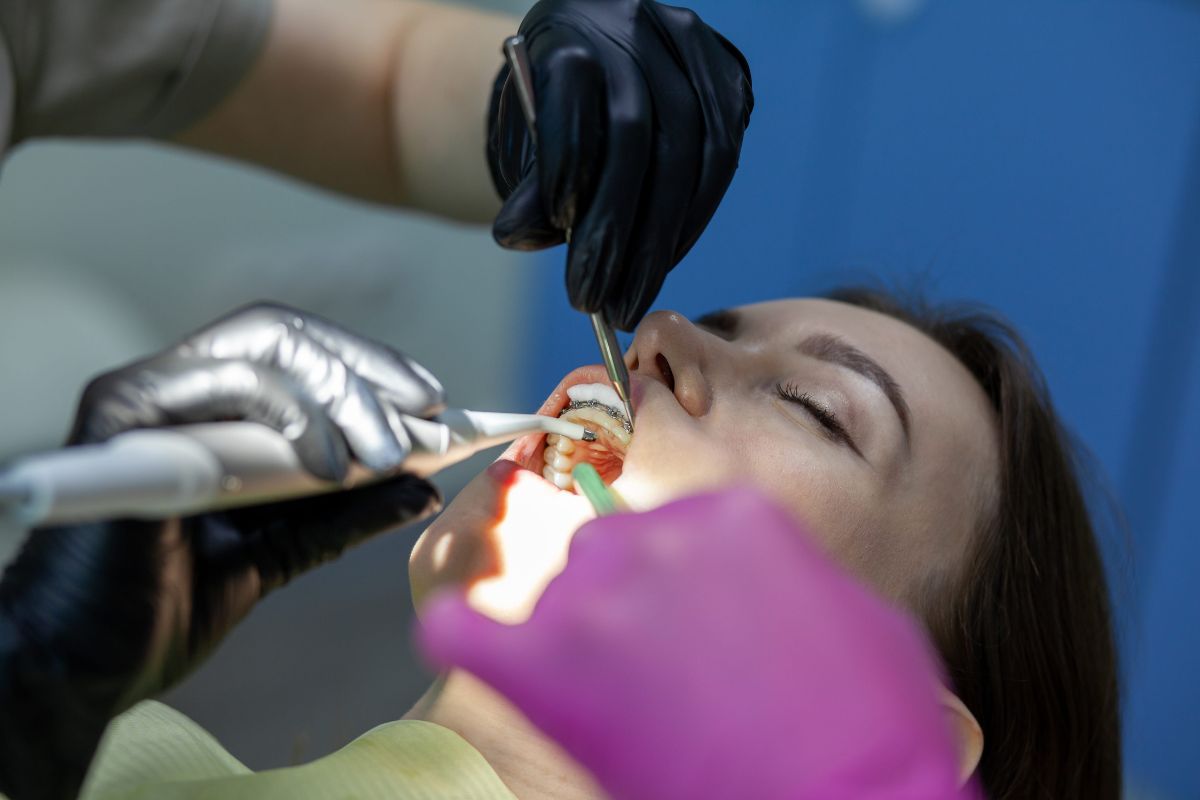
Tooth extraction can feel overwhelming—whether it’s due to severe decay, periodontal disease, or orthodontic needs. But here’s the good news: with proper aftercare, most patients recover smoothly and comfortably within 7-10 days. The key to a successful recovery lies in understanding what to expect and following evidence-based guidelines that actually work.
At Love Dentistry in Bellingham, WA, we’ve guided thousands of patients through their extraction recovery with confidence and minimal complications. This comprehensive guide will walk you through everything you need to know to ensure your mouth heals properly and gets you back to normal as quickly as possible.
What to Do Immediately After Your Extraction
- Keep the gauze in place for the right amount of time: Bite down on the gauze pad your dentist provided for 30-45 minutes to allow the blood clot to form properly. Some bleeding is normal, and you may notice a slight taste of blood in your saliva. If bleeding continues heavily after an hour, contact your dental office immediately.
- Apply ice during the first 6 hours: Use an ice pack wrapped in a thin cloth and apply it to the outside of your cheek for 15 minutes on, 15 minutes off. This reduces swelling and numbs the area naturally. Think of ice as your best friend during the first day—it significantly impacts how much swelling you’ll experience.
- Rest completely for the remainder of the day: Your body has just been through a surgical procedure. Avoid strenuous activities, exercise, bending, or heavy lifting for at least 3-5 days. Increased blood pressure from activity can cause bleeding and swelling to worsen.
- Keep your head elevated. Whether you’re sitting or sleeping, keep your head elevated above your heart. Use extra pillows to prop yourself up—this simple step dramatically reduces post-extraction swelling and makes you feel more comfortable.
- Avoid touching or rinsing the extraction site: Resist the urge to check on your extraction site with your tongue or fingers. The blood clot is delicate, and disturbing it can lead to a painful condition called dry socket. Don’t use a straw, spit forcefully, or rinse your mouth for at least 5-7 days.
Nutrition: Eating Smart During Recovery
You don’t need to starve yourself during recovery—but you do need to be strategic about what you eat. Avoid hot foods for at least 5-7 days, as heat increases blood flow to the extraction site and can cause bleeding.
- Soft, cool foods should be your staple: Smoothies (lukewarm, not hot), Greek yogurt, pudding, mashed potatoes, and ice cream are excellent choices. These foods provide nutrition without requiring chewing near the extraction site.
- Avoid hard, crunchy, or sticky foods: No chips, nuts, popcorn, caramel, or anything that requires significant chewing. These foods can dislodge your blood clot or irritate the healing tissue.
- Stay hydrated throughout your recovery: Drink plenty of water, but avoid using straws for at least one week. The suction from a straw can disturb your blood clot.
- Protein supports healing: Include soft protein sources like scrambled eggs, cottage cheese, and protein smoothies. Your body needs protein to build new tissue and heal effectively.
What to Do After Tooth Extraction: Days 2-10
- Continue ice therapy through day 2: After day 2, switch to heat therapy if swelling persists. A warm compress applied for 15 minutes at a time can improve circulation and ease discomfort.
- Gentle oral hygiene is essential: After 24 hours, you can carefully brush your other teeth, but avoid the extraction site. Starting around day 3-4, you can very gently brush near the area with an extra-soft toothbrush, being extremely careful not to disturb the healing tissue.
- Sleep on your side or back: Avoid sleeping on the side of your mouth where the extraction was performed. Sleeping on your back with your head elevated continues to minimize swelling and keeps you comfortable.
- Return to normal activities gradually: Light activities like short walks are fine after 3-4 days, but avoid intense exercise, gym time, or sports for at least 5-7 days. Your extraction site is still healing, and an increased heart rate can cause bleeding.
- Watch for warning signs: Increasing pain after 3-4 days, persistent bleeding, signs of infection (fever, pus, bad taste), or difficulty swallowing warrant an immediate call to your dentist.
Contact Love Dentistry in Bellingham, WA today to schedule your consultation. We’ll discuss your options, answer all your questions, and ensure you feel confident moving forward with your dental health.
Recovery Timeline: What to Expect Week by Week
- Days 1-3: Maximum swelling, significant discomfort, and slight bleeding are normal. Follow all ice and rest recommendations. Take pain medication as directed and eat only soft foods.
- Days 4-7: Swelling begins to decrease noticeably. Discomfort lessens significantly for most patients. You can gradually introduce slightly more textured soft foods. Continue avoiding strenuous activity.
- Days 8-14: Most patients feel nearly normal by this point. Minor swelling may remain, but pain is typically minimal. You can return to normal activities, including light exercise. Continue being gentle with the extraction site.
- Weeks 3-6: The extraction site continues healing beneath the surface. The hole gradually fills with bone. You can resume all normal activities and eating habits.
- Months 2-6: Complete bone healing occurs, though it’s not visible to the naked eye. This is why we often wait several months before placing dental implants—we need adequate bone support for long-term success.
Dry Socket: Prevention and Recognition
Dry socket (alveolar osteitis) occurs in about 2-5% of extractions and develops when the blood clot becomes dislodged. The exposed bone becomes extremely painful, typically developing 3-4 days after extraction.
- Prevent dry socket by: Avoiding straws and forceful rinsing, not smoking or using tobacco products, following all post-operative instructions, and being gentle when brushing near the site.
- Recognize dry socket symptoms: Severe pain that worsens several days after extraction, visible bone in the socket, bad taste or odor, and possibly swollen lymph nodes.
If you suspect a dry socket, contact your dentist immediately. It’s treatable with special dressings and medications, but it’s far better to prevent it through careful aftercare.
Why Choose Love Dentistry
At Love Dentistry in Bellingham, WA, we understand that extractions are often a source of anxiety for our patients. That’s why we’ve built our practice around compassionate care, cutting-edge techniques, and comprehensive aftercare support.
Our team has performed countless extractions using the latest atraumatic techniques, resulting in minimal tissue damage and faster healing. We provide detailed post-operative instructions tailored to your specific situation, and we’re always available by phone if you have questions during your recovery.
Beyond extraction, we focus on tooth preservation and prevention. Our goal is to help you keep your natural teeth whenever possible through advanced preventive care, early disease detection, and conservative treatment approaches. When extraction is necessary, we ensure it’s done with precision and followed by excellent aftercare guidance.
We also work with you on replacement options—whether that’s a dental implant, bridge, or partial denture—so you can restore your smile and function completely. Your complete oral health and satisfaction are our top priorities.
Conclusion
Recovery after tooth extraction doesn’t have to be complicated or uncomfortable. By following this comprehensive guide—keeping your gauze in place, using ice strategically, maintaining proper nutrition, avoiding physical activity, and protecting your blood clot—you’ll heal faster and experience fewer complications.
Remember that every patient heals at their own pace. Some people feel back to normal within a week, while others need slightly longer. The most important thing is to follow your dentist’s specific instructions and listen to your body.
At Love Dentistry in Bellingham, WA, we’re here to support you throughout your entire recovery journey. If you have any concerns, questions, or complications during your healing, don’t hesitate to reach out. We’re committed to ensuring you recover comfortably and completely.
Schedule your appointment with Love Dentistry today and experience professional extraction care backed by compassionate, expert guidance. Our team will be with you every step of the way—from the procedure through complete healing.
FAQs About Tooth Extraction Recovery
Q: When can I drink hot beverages after a tooth extraction?
A: Wait at least 5-7 days before consuming hot drinks. Heat increases blood flow to the extraction site and can cause bleeding. Stick with lukewarm or cool beverages during the first week of recovery.
Q: Is it normal to have a bad taste or odor coming from the extraction site?
A: A slight metallic taste is normal during the first few days. However, a persistent bad taste or foul odor after a week may indicate infection or dry socket. Contact your dentist if this occurs.
Q: When can I resume flossing around the extraction site?
A: Wait at least 5-7 days before resuming full oral hygiene. You can begin very gentle rinsing after 24 hours and carefully brush nearby teeth after 3-4 days, but avoid the extraction site completely until it’s well on its way to healing.
Q: How much swelling is normal after tooth extraction?
A: Some swelling is expected and peaks around 48-72 hours after extraction. If swelling is severe, doesn’t improve by day 3, or worsens after improving, contact your dentist. Excessive swelling can indicate infection.
Q: What should I do if my extraction site starts bleeding again days later?
A: Bite down on fresh gauze for 30 minutes with firm but not painful pressure. If bleeding persists for more than an hour or recurs, contact your dentist. Some slight oozing is normal, but heavy bleeding isn’t.