
What to Expect During a Dental Cleaning: Bellingham Dentists Provide

Dentist in Bellingham, WA

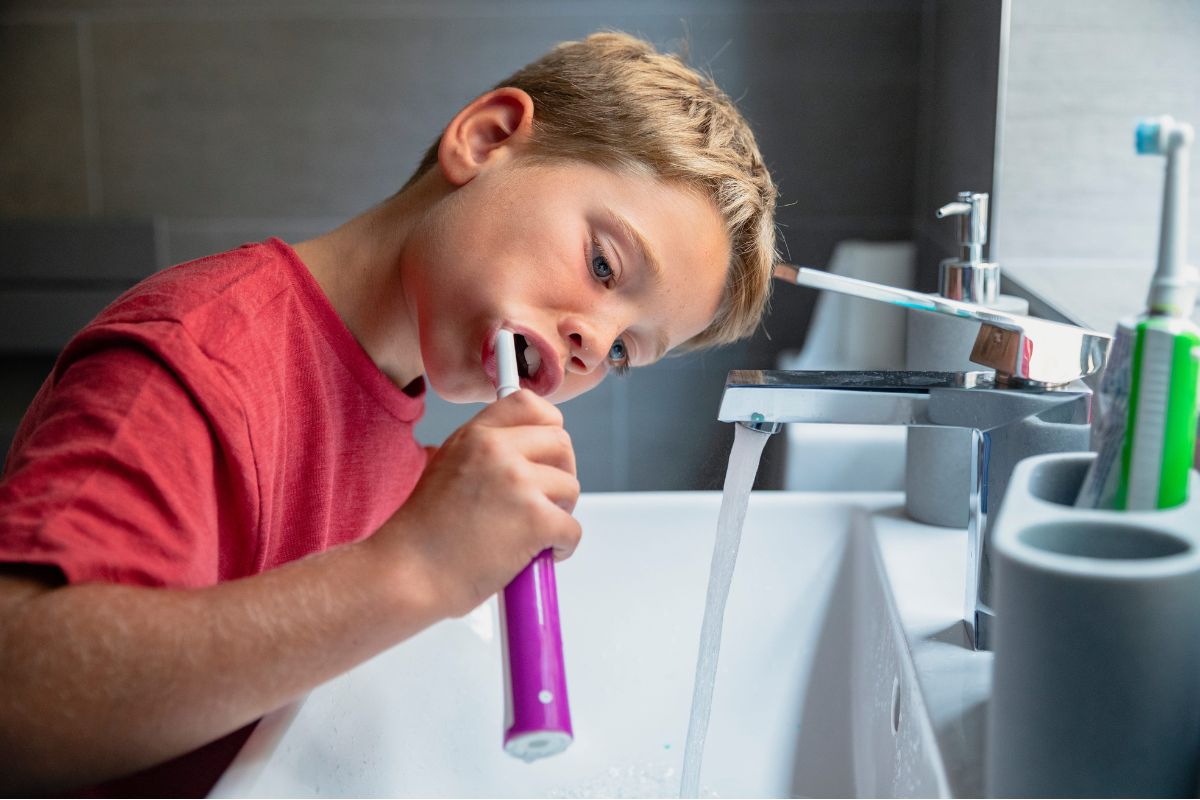
If you’ve ever put off a dental cleaning because you weren’t sure what to expect — or because the thought of sitting in that chair made your palms sweat — you’re not alone. Millions of people avoid routine dental care simply out of uncertainty or anxiety. But here’s the truth: a professional dental cleaning is one of the most straightforward, comfortable, and genuinely life-improving things you can do for your health.

At Love Dentistry in Bellingham, WA, an informed patient is a confident patient. So let’s walk you through exactly what happens during a professional dental cleaning, why it matters far more than most people realize, and why our patients leave our office not just with cleaner teeth — but with a smile they’re proud of.

The Foundation of a Healthy Smile: Why Dental Cleanings Matter

Most people brush twice a day, floss occasionally (or claim to), and rinse with mouthwash. So why do you still need a professional cleaning every six months?

The answer lies in what your toothbrush cannot do.

No matter how diligent your home care routine is, plaque builds up in areas your brush and floss can’t reliably reach — along the gumline, between tight contacts, and in the grooves of your back teeth. Over time, that plaque hardens into tartar (also called calculus), a mineral deposit that bonds to your enamel and can only be removed with professional instruments.

Left unchecked, tartar buildup leads to:

A dental cleaning every six months interrupts this cycle before it starts. It’s not just cosmetic maintenance — it’s preventive medicine.

What Actually Happens Step by Step During a Dental 

Cleaning Bellingham Patients Can Trust

When you come in for a cleaning at Love Dentistry, here’s the exact sequence of events. No surprises, no mystery.

Step 1: A Thorough Oral Examination

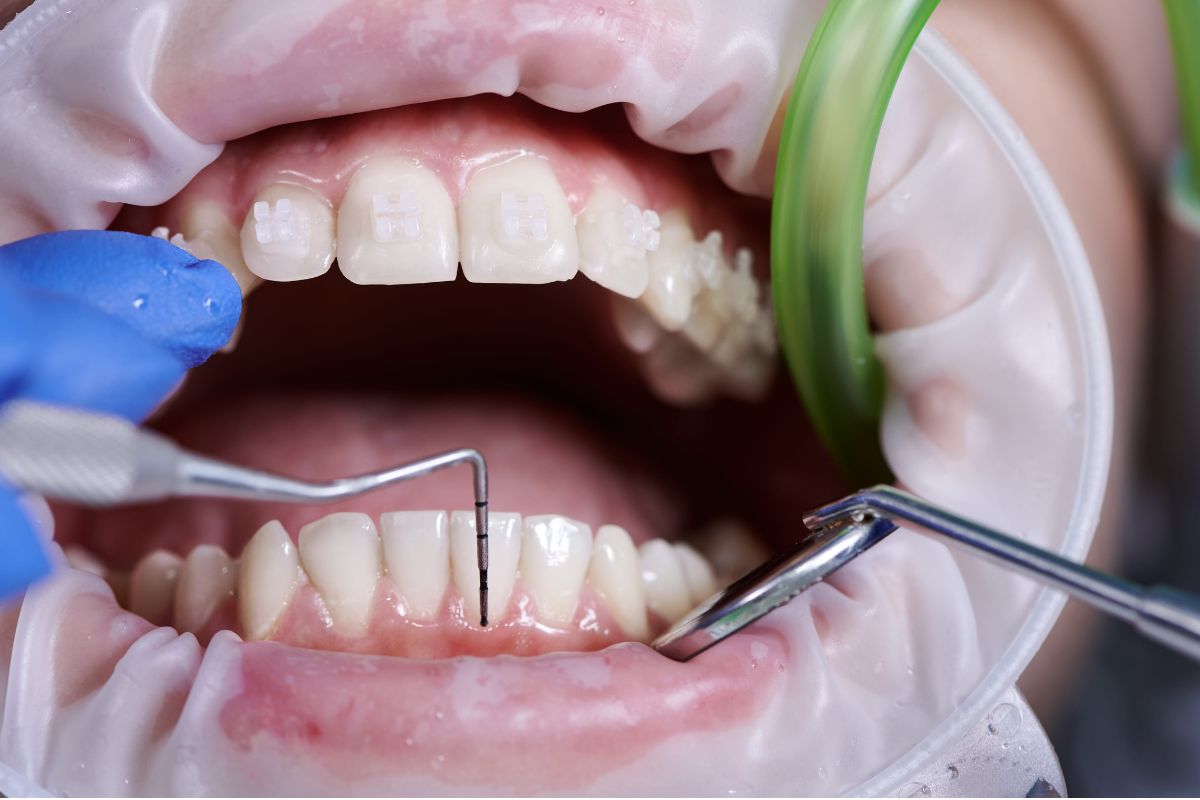
Before any cleaning begins, your hygienist performs a comprehensive assessment of your mouth. Using a small mirror, they examine each tooth and the surrounding gum tissue, looking for signs of inflammation, recession, pockets, or suspicious spots. If it’s your first visit or your annual comprehensive exam, digital X-rays may also be taken to detect problems beneath the surface that the naked eye can’t see — such as bone loss, tartar build up, impacted teeth, or decay between teeth.

Step 2: Scaling — Removing Tartar and Plaque

This is the core of the cleaning. Using either hand instruments called scalers or an ultrasonic scaler (which uses gentle vibrations and a water mist to break up deposits), your hygienist carefully removes all plaque and tartar from the surfaces of your teeth and beneath the gumline.

If you’ve ever heard a light scraping sound during a cleaning, that’s the scaler doing its job. The sensation is mild pressure, rarely pain. If you have sensitive teeth or significant buildup, you may experience brief moments of heightened sensitivity, but most patients describe the experience as simply “interesting” rather than uncomfortable.

Step 3: Expert Polishing

Once all deposits are removed, your hygienist uses a slightly gritty polishing paste and a soft rotating cup to polish every tooth surface. This removes surface stains from coffee, tea, wine, and food — and leaves your teeth smooth and gleaming. That slick, just-cleaned feeling you notice with your tongue afterward? That’s the result of this step.

Step 4: Flossing

Even if you floss daily, your hygienist will floss between every contact point. This removes any debris loosened during scaling and polishing and also checks for areas of the gum that bleed easily — a key indicator of gum inflammation.

Step 5: Fluoride Treatment (When Appropriate)

For many patients — especially children, teenagers, and adults prone to cavities — a fluoride treatment is applied at the end of the cleaning. Fluoride strengthens the enamel by remineralizing the microscopic areas where acid erosion has weakened the tooth structure. It’s quick, painless, and highly effective.

Step 6: Review and Recommendations

Your hygienist and dentist will review their findings with you — clearly and without judgment. If there are areas of concern, you’ll discuss them and create a plan. You’ll also receive personalized home care tips based on what they observe in your mouth. Not generic advice — specific guidance for your specific needs.

The Difference Between a Standard Cleaning and a Deep Cleaning

It’s worth knowing that not all cleanings are the same. The routine cleaning described above — called a prophylaxis — is for patients with relatively healthy gums and no significant bone loss.

If your dentist or hygienist finds signs of periodontal disease — deeper gum pockets, bone loss, or significant buildup below the gumline — they may recommend a deep cleaning, also called scaling and root planing

This is a more intensive procedure performed in quadrants, often with local anesthetic, and is specifically designed to treat active gum disease rather than prevent it. Understanding the difference helps you ask better questions and make better decisions about your care.

How Often Should You Actually Get a Dental Cleaning?

The standard recommendation is every six months, and for most healthy adults, that cadence is perfect. However, some patients benefit from more frequent visits:

  • Patients with a history of gum disease may need cleanings every three to four months
  • Diabetics, smokers, and those with dry mouth conditions tend to accumulate more buildup faster
  • Patients undergoing orthodontic treatment (braces or clear aligners) have more surfaces where plaque can hide
  • Pregnant women are more susceptible to pregnancy gingivitis

If it’s been longer than six months — or if you honestly can’t remember your last cleaning — the most important thing is to get back on track. At Love Dentistry, we meet you where you are without judgment.

Book your appointment with Love Dentistry today. Your healthiest smile is one appointment away. Don’t wait until something hurts to make your oral health a priority. Let us show you what a great dental experience actually feels like.

Beyond Clean Teeth: The Whole-Body Benefits Most People Don’t Know About

Here’s something your dentist wishes more people understood: your mouth is the gateway to your entire body, and what happens inside it doesn’t stay there.

Chronic inflammation from untreated gum disease has been directly associated in peer-reviewed research with cardiovascular disease, type 2 diabetes complications, respiratory infections, rheumatoid arthritis, and adverse pregnancy outcomes, including premature birth and low birth weight.

Conversely, patients who maintain consistent dental hygiene and attend regular cleanings show measurable improvements in the management of systemic conditions. Diabetic patients, for example, often see improvements in blood sugar regulation when their gum disease is treated.

A dental cleaning, in this light, isn’t a cosmetic luxury. It’s a critical component of whole-body wellness.

What to Do (and Avoid) Before and After Your Cleaning

Before your appointment:

  • Brush and floss as normal — don’t go overboard trying to “prepare.”
  • Eat a light meal beforehand so you’re comfortable
  • Let your hygienist know about any changes in medications or health conditions
  • Mention any areas of sensitivity or anxiety so they can accommodate you

After your appointment:

  • Avoid staining foods and beverages (coffee, red wine, berries) for at least two hours after a fluoride treatment
  • Your teeth may feel slightly sensitive for 24 to 48 hours, especially if you had significant buildup removed — this is completely normal
  • Get back on your six-month schedule before life gets busy and the months slip away

Why Choose Love Dentistry

Bellingham, WA has no shortage of dental offices, so why do our patients choose Love Dentistry — and keep coming back?

  • We genuinely care about your comfort. Dental anxiety is real, and we take it seriously. From the way we explain every step before we do it, to the unhurried pace of our appointments, every part of the experience is designed to put you at ease.
  • We treat people, not teeth. We take the time to understand your health history, concerns, goals, and lifestyle. Your care plan is built around you as a whole person — not a set of teeth on a schedule.
  • We use modern technology. Digital X-rays, ultrasonic scalers, and intraoral cameras mean greater precision, greater comfort, and a faster, more thorough cleaning experience than older methods offer.
  • We’re transparent and judgment-free. Whether it’s been six months or six years since your last cleaning, you will not be lectured. You will be welcomed, informed, and helped.
  • We serve the Bellingham community with pride. We’re not a corporate chain. We’re your neighbors — invested in the health and well-being of the people who live and work here in Bellingham, WA.

Call us today or book your appointment online. New patients are always welcome, and we offer flexible scheduling to fit real life. Your smile deserves this — and so does the rest of your body.

Frequently Asked Questions

1. Does dental cleaning hurt?

For most patients, a professional cleaning involves nothing more than mild pressure and vibration. If you have sensitive teeth or significant tartar buildup, you may experience brief sensitivity. Let your hygienist know beforehand, and they can adjust their approach or apply a topical numbing gel to make you more comfortable.

2. How long does a dental cleaning take? 

A standard prophylaxis cleaning typically takes between 45 minutes and one hour when combined with an exam. If it’s your first visit or if X-rays are needed, plan for up to 90 minutes. Deep cleanings take longer and are usually split into multiple appointments.

3. Is it normal for my gums to bleed during a cleaning? 

Some light bleeding during a cleaning — especially around the gumline — is common and not immediately alarming. It often indicates inflammation caused by plaque buildup. With consistent cleanings and improved home care, most patients see significant improvement within a few weeks.

4. How much does a dental cleaning cost in Bellingham, WA? 

The cost varies based on the type of cleaning, whether X-rays are needed, and your insurance coverage. At Love Dentistry, we work with most major insurance plans and offer transparent pricing so you always know what to expect before we begin. Contact our office for specific details.

5. What if I haven’t been to the dentist in years — is it too late? 

Absolutely not. It is never too late to start taking care of your oral health. Wherever you’re starting from, our team will assess your current situation, address any immediate concerns, and put you on a path toward a healthier mouth — without judgment or pressure.
Is It Normal to Experience Pain During the Dental Implant Healing Stages?

Dentist in Bellingham, WA

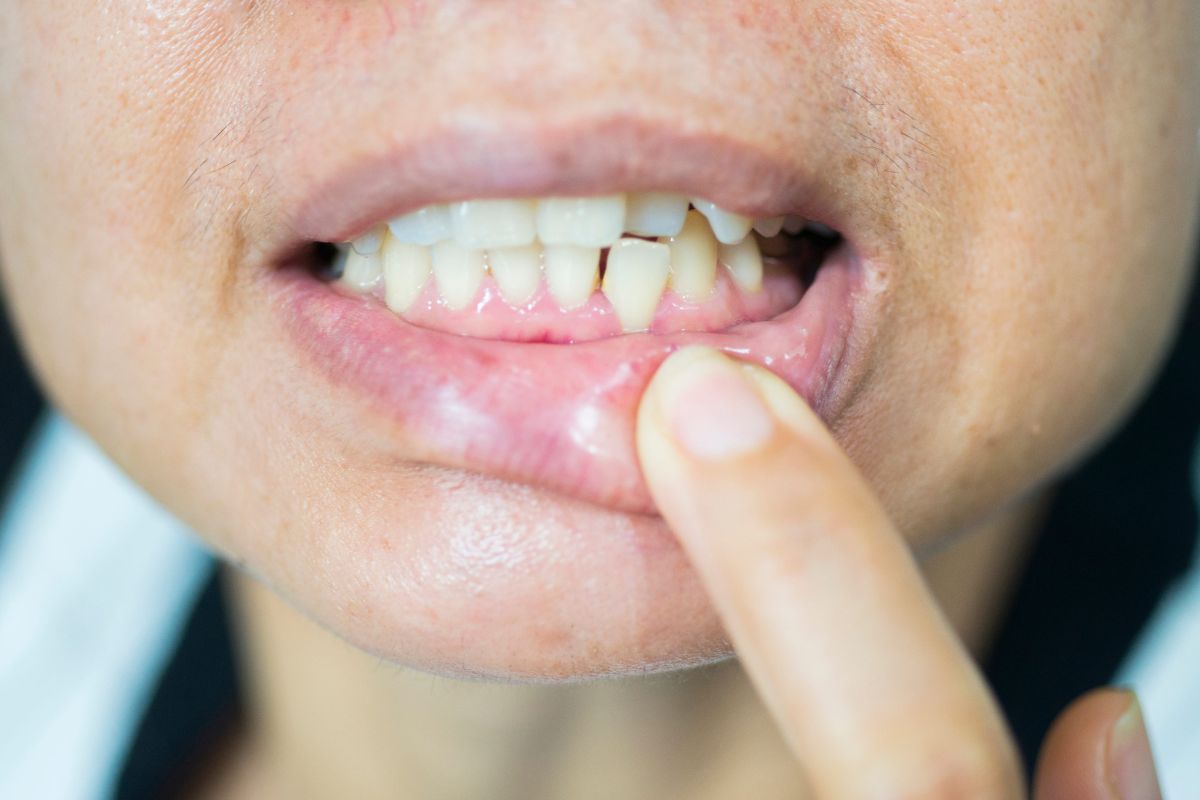
If you’ve recently had a dental implant placed — or you’re considering one — one of the first questions that comes to mind is: Will it hurt? The honest answer is yes, some discomfort is completely normal. But understanding what kind of pain is expected, when it should ease up, and when it’s a red flag can make the entire experience far less stressful.

At Love Dentistry in Bellingham, WA, an informed patient is a confident patient. So let’s walk you through everything you need to know about pain during dental implant recovery — and how to make your healing journey as smooth as possible.

What Is a Dental Implant and Why Does Recovery Take Time?

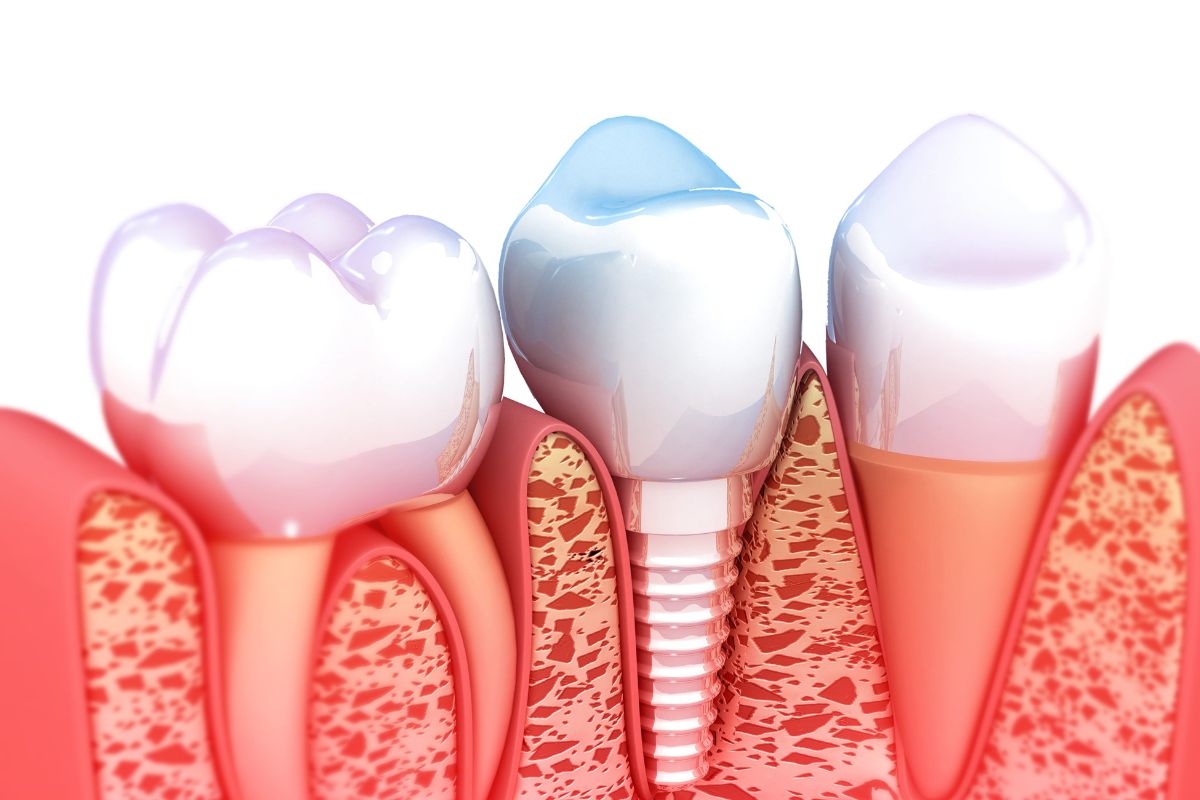
A dental implant is a titanium post surgically placed into your jawbone to act as an artificial tooth root. Because this is a surgical procedure that involves your bone and soft tissue, your body naturally needs time to heal and integrate the implant — a process called osseointegration.

This fusion between the implant and your jawbone is what makes dental implants so durable and long-lasting. But because bone regeneration is involved, recovery isn’t instant. It takes patience, proper care, and realistic expectations.

Understanding the Dental Implant Healing Stages

Knowing what to expect at each phase of recovery is key to staying calm and recognizing when something is off. Here’s a breakdown of the dental implant healing stages and the pain levels associated with each:

Stage 1 — The First 24 to 72 Hours (Acute Recovery)

This is when discomfort is at its peak. Immediately after surgery, your mouth will be numb from the local anesthetic. Once that wears off — typically within a few hours — you can expect:

  • Throbbing pain or soreness around the implant site
  • Swelling in the gums, cheek, and jaw
  • Minor bleeding or oozing
  • Bruising around the jaw or chin

This is your body’s natural inflammatory response kicking in. It’s a sign that healing has begun, not that something is wrong. Most patients describe this pain as manageable with prescribed or over-the-counter pain medication.

Stage 2 — Days 3 to 7 (Early Healing)

By day three, most patients notice a significant reduction in pain. Swelling peaks around day two or three, typically before beginning to subside. You should start to feel more like yourself during this window.

Soft foods, cold compresses, and keeping your head elevated when sleeping will go a long way here. Any pain that is worsening after day three — rather than improving — should prompt a call to your dentist.

Stage 3 — Weeks 2 to 4 (Tissue Healing)

The gum tissue around your implant continues to close and heal. At this point, most patients feel little to no pain. There may be occasional tenderness when eating or brushing near the area, but sharp or throbbing pain should be gone.

Stage 4 — Months 2 to 6 (Osseointegration)

This is the longest and most critical phase. Your jawbone is gradually fusing with the titanium implant. You likely won’t feel much during this stage, but you must keep all follow-up appointments so your dentist can monitor the integration progress.

Stage 5 — The Final Restoration

Once osseointegration is confirmed, your dentist will attach the abutment and crown. This step may involve minor soreness for a few days as your mouth adjusts to the new structure.

What Does Normal Post-Implant Pain Feel Like?

Normal pain after a dental implant procedure is:

  • Dull, achy, or throbbing — not sharp or electric
  • Localized to the implant site and surrounding area
  • Improving progressively day by day
  • Manageable with ibuprofen, acetaminophen, or prescribed medication
  • Accompanied by some swelling and mild bruising

Most patients are surprised by how tolerable the recovery is when they follow their dentist’s aftercare instructions carefully.

When Pain Is NOT Normal — Warning Signs to Watch For

While some discomfort is expected, certain types of pain signal a problem that needs immediate attention. Contact your dentist right away if you experience:

  • Pain that gets worse after day three instead of better
  • Severe throbbing that doesn’t respond to pain medication
  • Fever, chills, or a bad taste in your mouth (signs of infection)
  • Visible pus or unusual discharge around the implant site
  • Numbness or tingling that persists beyond 24 hours
  • The implant feels loose or shifting

These symptoms could indicate implant failure, infection, or nerve irritation — all of which are treatable when caught early. Don’t wait it out. Call your dental team immediately.

Tips to Minimize Pain and Speed Up Healing

The good news? There’s a lot you can do to manage pain and support your body through recovery.

  • Follow your aftercare instructions to the letter: Your dentist gives you these for a reason. Skipping steps like rinsing with salt water or avoiding hard foods can significantly set your recovery back.
  • Take medication as directed: Don’t wait until pain becomes unbearable. Take prescribed or recommended pain relievers on schedule during the first few days.
  • Apply ice packs to your face. During the first 24 to 48 hours, use a cold pack for 20 minutes on, 20 minutes off to reduce swelling and numb the area.
  • Stick to soft foods: Think yogurt, mashed potatoes, scrambled eggs, smoothies, and soup. Give your jaw a break during the first week at a minimum.
  • Avoid smoking: Smoking dramatically impairs blood flow and healing. It’s one of the top causes of implant failure. If there’s ever a time to quit, this is it.
  • Rest and sleep with your head elevated: Keeping your head above your heart helps reduce swelling and pressure.
  • Stay hydrated and eat well: Proper nutrition fuels your immune system and supports tissue regeneration.

Schedule your personalized implant consultation today, and let’s build you a smile that lasts a lifetime. Call us or book online — your new smile is one appointment away.

How Long Does Dental Implant Pain Last Overall?

For most patients, the bulk of noticeable pain resolves within 7 to 10 days. By the two-week mark, most people are back to their normal routines with little to no discomfort. The long osseointegration phase that follows is largely pain-free.

The full implant process — from placement to final crown — typically spans 3 to 6 months, depending on your bone density and healing pace. But don’t let that timeline intimidate you. The active discomfort is just a small window within that larger journey.

Factors That Can Affect Your Pain Levels

Not everyone experiences the same level of post-implant pain. Several factors can influence your recovery:

  • Number of implants placed — Multiple implants in one session means more tissue trauma and a potentially more intense recovery.
  • Bone grafting — If you require a bone graft before or during implant placement, expect a longer and more involved healing process.
  • Overall health — Patients with diabetes, autoimmune conditions, or those on certain medications may heal more slowly.
  • Oral hygiene — A clean mouth heals faster. Bacteria and plaque around an implant site increase the risk of infection.
  • Dentist experience — A skilled, experienced implant dentist causes less tissue trauma during surgery, which directly impacts post-operative comfort.

Why Choose Love Dentistry

At Love Dentistry we guide you through one of the most important investments you’ll ever make in your health and confidence. Here’s why patients throughout Bellingham, WA, and the surrounding area trust us with their smiles:

  • Experienced implant specialists who use the latest surgical techniques to minimize tissue trauma and support faster healing
  • Personalized treatment plans designed around your unique anatomy, health history, and smile goals
  • Compassionate, judgment-free care — we know dental procedures can feel scary, and we take that seriously
  • Thorough aftercare support — we don’t disappear after surgery; our team is available to answer questions and monitor your recovery.
  • A warm, welcoming environment in the heart of Bellingham, WA, where you feel like a person, not a patient number
  • Transparent pricing and financing options so that high-quality dental care is accessible to more people.

We’ve helped hundreds of patients in the Bellingham area reclaim full, functional, beautiful smiles through dental implants — and we’d be honored to do the same for you.

Conclusion

Pain during dental implant recovery is a normal, expected part of the healing process — but it’s also manageable, temporary, and a small price to pay for a lifetime of restored function and confidence. By understanding the dental implant healing stages, knowing what’s normal versus alarming, and following your dentist’s guidance, you set yourself up for the best possible outcome.

The key is to choose a dental team that doesn’t just perform the procedure and sends you home — but one that truly partners with you through every phase of your journey. That’s exactly what we do at Love Dentistry in Bellingham, WA. Your smile deserves the best care. And that starts with being informed.

Contact Love Dentistry in Bellingham, WA, today to schedule a no-pressure consultation and get honest, expert answers to all your questions. Book online or give us a call — we can’t wait to meet you.

Frequently Asked Questions About Dental Implant Pain and Healing

1. How much pain is normal after a dental implant? 

Mild to moderate soreness, swelling, and bruising in the first three to five days are completely normal. Most patients manage pain comfortably with over-the-counter anti-inflammatories like ibuprofen.

2. When should I be worried about pain after a dental implant? 

If your pain worsens after day three, is accompanied by fever, discharge, or a foul taste, or if your implant feels loose, contact your dentist immediately. These can be signs of infection or implant failure.

3. Can I go to work the next day after getting a dental implant? 

Many patients return to desk jobs within one to two days. If your work involves physical labor, it’s best to take three to five days off to avoid increased bleeding and swelling.

4. Does the bone grafting procedure make recovery more painful? 

Yes, bone grafting adds a layer of complexity to recovery. Patients who receive grafts typically experience more swelling and a longer healing period, but this varies from person to person.

5. How do I know when my dental implant has fully healed?

Your dentist will confirm osseointegration through X-rays and clinical evaluation, typically 3 to 6 months after placement. At that point, the final crown is attached, and your implant is fully functional.

7 Reasons Why Gum Disease Treatment Is More Important Than You Think

Dentist in Bellingham, WA

You brush. You floss (most days). You rinse with mouthwash and call it good. So when your dentist mentions gum disease, it can feel like a curveball — or even a slight exaggeration. How serious could it really be?

The answer might surprise you. Gum disease, also known as periodontal disease, is one of the most common — and most underestimated — health conditions in the United States. According to the CDC, nearly half of adults over 30 have some form of it. And yet, millions of people go years without treatment, unaware of the quiet damage happening beneath the surface.

At Love Dentistry in Bellingham, WA, an informed patient is an empowered one. That’s why we’ve put together this in-depth guide to help you understand exactly why gum disease treatment deserves your full attention — and why waiting is never the right move.

What Is Gum Disease, and How Does It Start?

Gum disease begins with plaque — a sticky, bacteria-laden film that constantly forms on your teeth. When plaque isn’t removed through regular brushing and flossing, it hardens into tartar and begins to irritate the gum tissue. This early stage is called gingivitis, and it’s characterized by red, swollen, or bleeding gums.

Left untreated, gingivitis progresses to periodontitis — a far more serious condition in which the infection spreads below the gumline, attacking the bone and connective tissue that hold your teeth in place. At this stage, the damage can become permanent.

The tricky part? Gum disease is often painless in its early stages. You may not feel anything unusual even as the infection progresses. That’s exactly why routine dental visits and early treatment are so critical.

7 Reasons Why Gum Disease Treatment Is a Health Priority You Can’t Ignore

1. Gum Disease Is Directly Linked to Heart Disease

This is the connection that stops most people in their tracks. Research has consistently shown a strong association between periodontal disease and cardiovascular conditions, including heart attack and stroke. The bacteria responsible for gum infections can enter the bloodstream and trigger inflammation in the arteries — a known contributor to heart disease. Treating gum disease isn’t just about your mouth. It’s about protecting your heart.

2. It Can Worsen Diabetes — and Diabetes Can Worsen It

The relationship between gum disease and diabetes runs in both directions. People with diabetes are more susceptible to infections, including gum disease. At the same time, untreated gum disease makes it harder to control blood sugar levels, creating a dangerous cycle.

Managing your periodontal health is a critical — and often overlooked — component of diabetes management.

3. Untreated Gum Disease Leads to Tooth Loss

This is the most visible consequence. As periodontitis advances, it destroys the bone and tissue that anchor your teeth. Teeth begin to loosen, shift, and eventually fall out or require extraction. Tooth loss isn’t just cosmetic — it affects your ability to chew, speak clearly, and maintain proper nutrition. Early gum disease treatment can stop this process entirely. Waiting cannot reverse it.

4. It Has Been Linked to Respiratory Disease

Bacteria from infected gums can be inhaled into the lungs, potentially contributing to respiratory infections, pneumonia, and worsening chronic obstructive pulmonary disease (COPD). For patients with existing lung conditions, this connection is worth taking seriously.  As this condition could require a hospitalization.

5. Gum Disease During Pregnancy Poses Real Risks

Pregnant women with untreated periodontitis face a higher risk of premature birth and delivering low-birth-weight babies. Hormonal changes during pregnancy can also accelerate the progression of gum disease, making prenatal dental care essential — not optional.

If you’re pregnant or planning to become pregnant and live in the Bellingham, WA area, scheduling a periodontal evaluation at Love Dentistry should be at the top of your to-do list.

6. It’s Connected to Cognitive Decline and Alzheimer’s Disease

Emerging research has found a link between the bacteria associated with gum disease — particularly Porphyromonas gingivalis — and the development of Alzheimer’s disease. While research is still ongoing, the findings are significant enough that periodontal health is now being studied as a modifiable risk factor for dementia. Protecting your brain may start with protecting your gums.

7. Early Treatment Is Far Easier — and Less Costly — Than Advanced Care

Here’s the practical reality: catching and treating gum disease in its early stages is significantly simpler and more affordable than addressing advanced periodontitis. Early-stage treatment typically involves professional cleaning and improved at-home care. Advanced stages may require scaling and root planing, surgical procedures, bone grafts, or tooth replacements.

The earlier you act, the less invasive — and less expensive — the solution.

Don’t wait for symptoms to get worse. Call us today or book your appointment online. Your healthiest smile starts with one decision.

What Does Gum Disease Treatment Actually Involve?

Many patients delay treatment because they’re not sure what to expect. Here’s a straightforward breakdown:

  • Professional Deep Cleaning (Scaling and Root Planing): The most common non-surgical treatment. Your dentist or hygienist removes plaque and tartar from below the gumline and smooths the root surfaces to help gum tissue reattach.
  • Antibiotic Therapy: In some cases, topical or oral antibiotics are prescribed to eliminate remaining bacteria and prevent reinfection.
  • Surgical Treatments: For advanced cases, procedures such as flap surgery (pocket reduction), bone grafting, or tissue grafting may be recommended to restore structural support.
  • Ongoing Maintenance: After treatment, patients are typically placed on a periodontal maintenance schedule — usually every 3 to 4 months — to monitor healing and prevent recurrence.

Treatment is far less intimidating than most patients expect, and the long-term results are life-changing.

Signs You May Already Have Gum Disease

Pay attention to these warning signals:

  • Gums that bleed when you brush or floss
  • Red, swollen, or tender gum tissue
  • Persistent bad breath that doesn’t go away with brushing
  • Gums that appear to be pulling away from your teeth
  • Loose or shifting teeth
  • Pain when chewing
  • Visible pus between teeth and gums
  • A change in the way your teeth fit together when you bite

If you’re experiencing any of these symptoms, do not ignore them. Schedule an evaluation with Love Dentistry in Bellingham, WA as soon as possible.

Why Choose Love Dentistry

At Love Dentistry, we’re not just a dental office — we’re your partners in long-term health. Serving the Bellingham, WA community, we’ve built our practice on three core values: clinical excellence, genuine compassion, and patient education.

Here’s what sets us apart:

  • Experienced, Caring Team: Our dental professionals bring years of expertise in periodontal care, staying current with the latest research and techniques to give you the best possible outcomes.
  • Personalized Treatment Plans: We don’t believe in one-size-fits-all dentistry. Every patient receives a thorough evaluation and a treatment approach tailored to their specific needs, health history, and goals.
  • Comfortable, Judgment-Free Environment: We know that dental anxiety is real, and we know that many patients feel embarrassed about the state of their gums. At Love Dentistry, you will never be judged — only supported.  We are happy you are here!
  • Comprehensive Care Under One Roof: From preventive cleanings to advanced periodontal therapy, we offer everything you need to achieve and maintain a healthy smile, right here in Bellingham, WA.
  • Transparent Communication: We explain everything in plain language. Before any treatment begins, you’ll understand exactly what’s happening, why it’s recommended, and what to expect.

Your health and your comfort are our highest priorities. Period.

Conclusion

Gum disease is not a minor inconvenience. It is a serious, systemic health condition that, left untreated, can affect your heart, your brain, your lungs, your blood sugar, and your quality of life — not just your teeth and gums. The good news is that it is highly treatable, especially when caught early.

The seven reasons outlined in this post are not meant to alarm you. They are meant to motivate you. Because the path forward is clear: prioritize your periodontal health, partner with a dental team you trust, and never again underestimate the power of a healthy mouth.

At Love Dentistry in Bellingham, WA, we’re here to walk that path with you every step of the way. Your smile deserves the best care — and so does your body.

Love Dentistry is accepting new patients in Bellingham, WA, and we would be honored to be the team that helps you reclaim your oral health. Book your gum disease evaluation today. Same-week appointments available.

Frequently Asked Questions (FAQs)

1. Is gum disease reversible? 

Gingivitis, the earliest stage of gum disease, is fully reversible with professional cleaning and improved home oral hygiene. More advanced periodontitis is not fully reversible, but it is highly manageable with proper treatment and ongoing maintenance to prevent further progression.

2. How do I know if I have gum disease? 

Common signs include bleeding gums, persistent bad breath, red or swollen gum tissue, receding gums, and loose teeth. However, gum disease can be present without obvious symptoms, which is why regular dental checkups are essential for early detection.

3. Does gum disease treatment hurt? 

Most patients find gum disease treatment to be far more comfortable than they anticipated. Procedures such as scaling and root planing are typically performed under local anesthesia, and any post-treatment sensitivity is usually mild and temporary.

4. How often should I come in after gum disease treatment? 

After completing active treatment, most patients are placed on a periodontal maintenance schedule of every 3 to 4 months. This frequency allows your dental team to monitor your healing, remove bacterial buildup, and catch any signs of recurrence early.

5. Can gum disease come back after treatment? 

Yes, gum disease can recur if proper oral hygiene habits and routine maintenance visits are not maintained. This is why your at-home care routine and regular professional cleanings are just as important as the treatment itself. Your Love Dentistry team will provide you with a personalized home care plan to help you stay ahead of it.

How to Maintain White Teeth Without Expensive Dental Treatments

Dentist in Bellingham, WA

A radiant, white smile does more than enhance your appearance — it boosts your confidence, makes a memorable first impression, and reflects the care you invest in your overall health. But here is the truth that most people do not hear often enough: maintaining bright, white teeth does not have to cost a fortune. With the right habits, smart product choices, and a little guidance from your dental care team, you can protect and brighten your smile every single day without draining your wallet.

At Love Dentistry in Bellingham, WA, we believe that every patient deserves access to expert knowledge that empowers them to take charge of their oral health between visits. That is why we have put together this comprehensive, no-fluff guide packed with evidence-backed tips, daily routines, and professional insights that will genuinely transform how you care for your teeth.

Whether you are dealing with coffee stains, surface discoloration, or want to keep your natural brightness intact, this guide is for you. Read on — and do not be surprised if you find yourself saving this page.

How to Maintain White Teeth with a Daily Oral Care Routine

The most powerful whitening tool available to you is not a $200 kit or a professional bleaching session — it is a solid, consistent daily routine. Here is what an effective one looks like:

1. Brush Strategically, Not Just Routinely

Brushing twice a day is the baseline, but how you brush matters just as much as how often you brush. Use a soft-bristled toothbrush and gentle, circular motions. Aggressive back-and-forth scrubbing wears down enamel over time, making teeth more susceptible to staining and sensitivity.

Choose a fluoride toothpaste with whitening properties. Look for ingredients like hydrogen peroxide, baking soda, or activated charcoal (used sparingly). Brush for a full two minutes, covering all surfaces of every tooth.

2. Never Skip Flossing

Flossing removes plaque and food particles from the tight spaces between teeth where your toothbrush cannot reach. When debris sits in those spaces, it feeds bacteria that produce acids, leading to discoloration, decay, and gum issues. Floss at least once a day, ideally before bed.

3. Use a Whitening Mouthwash

A quality whitening mouthwash adds another layer of stain prevention to your routine. Rinse for 30 to 60 seconds after brushing to help neutralize acids, freshen breath, and reduce surface staining. Look for products containing cetylpyridinium chloride or low concentrations of hydrogen peroxide.

4. Rinse After Staining Foods and Drinks

You do not need to brush your teeth immediately after every meal — in fact, brushing right after consuming acidic foods can damage softened enamel. Instead, rinse your mouth thoroughly with water. This simple habit washes away pigmented residues before they settle and stain.

Ready for a brighter smile? Schedule your next cleaning at Love Dentistry in Bellingham, WA, and let our team help you achieve the results you deserve. Call us or book online today!

Smart Food and Drink Choices That Protect Your Enamel

What you eat and drink plays a massive role in the color and health of your teeth. You do not have to give up your morning coffee or your favorite pasta — but a few mindful adjustments can make a significant difference.

Sip Through a Straw

When drinking coffee, tea, soda, or any dark beverage, using a straw minimizes direct contact with your front teeth. This single habit can dramatically reduce surface staining over time.

Eat These Naturally Whitening Foods

Believe it or not, certain foods can actually help clean and brighten your teeth:

  • Crunchy fruits and vegetables like apples, celery, and carrots act as natural abrasives that scrub away surface stains
  • Strawberries contain malic acid, which can gently dissolve surface discoloration
  • Dairy products like cheese and yogurt are rich in calcium and casein, which strengthen enamel and reduce staining
  • Water — especially fluoridated tap water — neutralizes acids and rinses away debris after meals

Limit These Stain-Causing Culprits

  1. Coffee and tea: Consider switching to lighter roasts or adding milk, which can reduce staining intensity
  2. Red wine: If you enjoy a glass, rinse with water between sips and brush about 30 minutes after
  3. Tomato-based sauces: Follow with raw vegetables or dairy to neutralize acids
  4. Sugary snacks and drinks: Sugar feeds acid-producing bacteria that erode enamel, exposing the yellowish layer beneath

Lifestyle Habits That Make or Break Your Smile

The condition of your teeth reflects your lifestyle choices more than almost any other physical feature. A few meaningful changes can preserve your smile for decades.

  • Quit tobacco: Tobacco is among the most destructive forces for dental aesthetics. Nicotine and tar penetrate deep into enamel, creating stains that are extremely difficult to remove. Quitting tobacco is one of the single most impactful things you can do for your smile and overall health.
  • Stay hydrated: Dry mouth reduces saliva production, which is your body’s natural defense against bacteria and acid. Drinking plenty of water throughout the day keeps your mouth moist and your enamel protected.
  • Wear a mouthguard if you grind your teeth: Bruxism (teeth grinding) wears down enamel rapidly, exposing dentin and increasing sensitivity. A custom mouthguard from your dentist can protect your teeth while you sleep.
  • Manage acid reflux: Chronic acid reflux exposes teeth to stomach acid, which erodes enamel. Work with your physician to manage this condition and protect your dental health.
  • Replace your toothbrush regularly: A worn-out toothbrush loses its effectiveness. Replace it every 3 to 4 months, or sooner if the bristles look frayed.

The Role of Regular Professional Cleanings

No at-home routine, no matter how disciplined, can fully replace what a professional cleaning accomplishes. During routine cleaning at Love Dentistry, our hygienists use specialized tools to remove tartar — the hardened plaque that brushing and flossing cannot remove — and polish your teeth for a noticeably brighter finish.

We recommend professional cleanings every six months for most patients. Beyond whitening benefits, these visits allow us to catch early signs of decay, gum disease, and oral cancer — conditions that are far easier and more affordable to treat when detected early.

Living in Bellingham, WA, means you have access to a caring, skilled dental team right in your community. Our patients consistently tell us that their professional cleanings leave their smiles looking and feeling better than anything they have tried at home — and we are proud of that.

Why Choose Love Dentistry

At Love Dentistry, we are more than a dental office — we are a welcoming community of professionals who genuinely care about each person who walks through our doors. Serving the Bellingham, WA area, we combine clinical excellence with a warm, patient-first approach that makes even the most apprehensive visitors feel at ease.

Here is what sets us apart:

  • Personalized Care: We take the time to understand your unique smile goals, oral health history, and concerns before recommending any treatment plan
  • State-of-the-Art Technology: Our practice uses modern diagnostic and treatment tools to deliver precise, effective care that gets results
  • Transparent, Honest Guidance: We will always tell you what you actually need — not what generates the highest bill. Your long-term health and trust matter more to us than upselling services.
  • Experienced, Compassionate Team: Our dentists and hygienists bring years of expertise and a genuine love for what they do to every appointment
  • Convenient Bellingham Location: We are proud to serve our neighbors right here in Bellingham, WA, with flexible scheduling designed to fit busy lives

Whether you are coming in for a routine cleaning, whitening consultation, or a complete smile makeover, Love Dentistry is the team you can count on to help you put your best smile forward.

Conclusion

Maintaining a bright, white smile is not a luxury reserved for people with large dental budgets. With the right daily habits, smart dietary choices, trusted at-home products, and regular professional care, a radiant smile is absolutely within your reach.

Start with what you can control today: brush properly, floss consistently, rinse after staining foods, and give your body the hydration it needs. Then partner with a dental team you trust — one that will guide you, support you, and celebrate your progress along the way.

At Love Dentistry in Bellingham, WA, we are here for every step of that journey. Your smile is worth investing in, and so are you.

Do not wait for problems to develop. Invest in your smile today! Book your professional cleaning with Love Dentistry in Bellingham, WA, and experience the difference expert care makes. New patient appointments are available now.

Frequently Asked Questions (FAQs)

Q1: How often should I get a professional teeth cleaning in Bellingham, WA?

For most patients, professional cleanings every six months are ideal. However, if you have gum disease, a history of heavy tartar buildup, or other oral health concerns, your dentist may recommend cleanings every three to four months. The team at Love Dentistry will assess your specific needs and recommend the schedule that keeps your smile in its best condition.

Q2: Are whitening strips safe to use regularly?

Yes, when used as directed, whitening strips approved by the American Dental Association are considered safe. However, overuse can cause temporary tooth sensitivity and gum irritation. It is generally recommended to use whitening strips for one treatment cycle (typically two to four weeks) and then take a break before repeating. When in doubt, consult your dentist before starting any new whitening regimen.

Q3: Can I whiten teeth that have crowns, veneers, or fillings?

Whitening treatments are effective on natural tooth enamel but do not change the color of dental restorations such as crowns, veneers, or composite fillings. If you have visible restorations in your smile zone, whitening could create an uneven appearance. Talk to the team at Love Dentistry about the best approach to achieve a uniform, natural-looking result.

Q4: Is it normal for teeth to feel sensitive after whitening?

Temporary sensitivity is a common side effect of teeth whitening, especially after using products that contain hydrogen peroxide. It typically resolves within a day or two. Using a toothpaste formulated for sensitive teeth before, during and after treatment can help minimize discomfort. If sensitivity is severe or persists, discontinue use and consult your dentist.

Q5: What is the most effective way to remove coffee stains from teeth?

The most effective long-term strategy combines consistent brushing with a whitening toothpaste, rinsing with water immediately after drinking coffee, and scheduling regular professional cleanings. For more significant staining, over-the-counter whitening strips or a professional whitening treatment at Love Dentistry in Bellingham, WA can deliver faster, more dramatic results. Drinking through a straw and reducing overall coffee consumption can also help prevent future staining.

How to Help Kids Brush Teeth Without Crying or Complaining

Dentist in Bellingham, WA

Every parent has been there — it’s bedtime, you’ve asked your child to brush their teeth for the third time, and suddenly a full-blown meltdown is underway. The toothbrush becomes the enemy, and you’re left wondering how something so simple could feel so impossible. You are not alone, and more importantly, there is a better way.

At Love Dentistry in Bellingham, WA, we work with families every day to make oral health a joyful habit, not a nightly battle. Our compassionate team believes that great dental habits start at home — and that means making brushing fun, consistent, and drama-free. 

In this guide, we’re sharing our very best strategies to help your child embrace brushing teeth as a normal, even enjoyable, part of their day. Save this post. Seriously — bookmark it, screenshot it, send it to your co-parent. This is the guide you’ll come back to again and again.

Why Kids Resist Brushing Teeth (And Why It Matters)

Before we dive into solutions, it helps to understand why kids push back in the first place. Resistance usually comes from one or more of these places:

  • Sensory sensitivity to the texture of toothbrush bristles or the taste of toothpaste
  • Loss of control — kids crave autonomy, and being told what to do (especially in their mouths) can trigger defiance
  • Tiredness — evening routines happen right when kids are at their most exhausted and emotionally vulnerable
  • Lack of understanding — young children don’t yet grasp the concept of cavities or long-term consequences
  • It simply doesn’t feel fun — brushing hasn’t been positioned as anything worth getting excited about

Understanding the root cause of your child’s resistance is the first step toward solving it. What works for one child may not work for another, so we’ll cover a range of strategies you can mix, match, and customize for your family.

And why does it matter so much? Baby teeth are not “just” temporary. They hold space for permanent teeth, support speech development, and play a crucial role in your child’s ability to chew nutritious food. Cavities in baby teeth can cause pain, infection, and even affect the growth of adult teeth. Establishing brushing habits now protects your child’s smile for a lifetime.

  Ready to give your child the best start in dental health? Book an appointment with Love Dentistry in Bellingham, WA, today. Call us or visit dentist-bellingham.com — new patients of all ages are always welcome!

How to Help Kids Brush Teeth: Step-by-Step Strategies That Actually Work

1. Let Them Choose Their Tools

Children are far more invested in activities when they feel a sense of ownership. Take your child to the store (or browse together online) and let them pick out their own toothbrush. Whether it’s a dinosaur-shaped brush, one featuring their favorite cartoon character, or a light-up timer brush, the choice matters to them.

Do the same with toothpaste. There are many ADA-approved, fluoride-containing toothpastes in kid-friendly flavors like watermelon, bubblegum, and strawberry. Avoid forcing mint if your child finds it too intense — there is absolutely a toothpaste out there that they will tolerate, or even love.

2. Turn It Into a Game

Gamification is one of the most powerful tools in a parent’s toolkit. Here are a few ways to make brushing feel like play:

  1. Play a two-minute song and challenge your child to brush until the song ends
  2. Use a brushing app — many free apps feature animated characters that guide kids through brushing in real time
  3. Create a sticker chart where each successful brush earns a sticker, and a full week earns a small reward
  4. Pretend the toothbrush is a superhero and the “sugar bugs” (plaque) are the villains to defeat
  5. Take turns — let your child brush your teeth first, then you brush theirs

The sillier and more playful, the better. Kids learn through play, and when brushing becomes a game, resistance melts away.

3. Establish a Consistent Routine

Children thrive on predictability. When brushing happens at the same time in the same sequence every day, it stops feeling like a demand and starts feeling like “what we do.” Build brushing into a morning and bedtime routine that flows naturally — after breakfast, before getting dressed; after pajamas, before the bedtime story.

Consistency removes the negotiation. There is no “do we have to?” when brushing is simply part of the sequence, like putting on shoes before going outside. It takes about 21 days to build a new habit, so commit to the routine and be patient with yourself and your child during the adjustment period.

4. Model the Behavior Yourself

Kids are extraordinary imitators. If they see you brush your teeth with care and enthusiasm every day, they are far more likely to want to do the same. Brush together whenever possible. Make it a family activity. Narrate what you’re doing — “I’m brushing my back molars now!” — and let your child see that oral hygiene is something everyone in the family values.

This also allows you to demonstrate proper technique: small, gentle circular motions, reaching all surfaces of each tooth, and gentle attention to the gumline.

5. Teach, Don’t Force

Forcing a child to open their mouth tends to backfire. Instead, invest time in teaching. Use age-appropriate books and videos about dental health. Explain, in simple terms, why brushing matters — “the sugar bugs love to live on your teeth and they make holes, but the toothbrush chases them away!”

When children understand the “why,” they are more likely to become willing participants, bring them along for dental checkups at Love Dentistry so our friendly team in Bellingham, WA can reinforce these messages in a positive, welcoming environment.

6. Give Them Some Control

Children resist when they feel powerless. Give them meaningful choices within the brushing routine:

  • Do you want to brush the top teeth or the bottom teeth first?
  • Do you want the lights on or off while we brush?
  • Do you want to spit into this cup or the sink?
  • Do you want to use the watermelon or the bubblegum toothpaste tonight?

These small choices make a big difference. The child feels heard and in control, which dramatically reduces the power struggle.

7. Make It a Two-Person Job (At First)

Fine motor skills are still developing in young children, which means they genuinely cannot brush effectively on their own until around age 7 or 8. Plan to help your child brush until they have the dexterity to do a thorough job independently. Make this collaborative, not confrontational — “Let’s do this together” instead of “Open your mouth.”

Position yourself beside your child rather than facing them to reduce the feeling of confrontation. Use a small mirror so they can see what you’re doing. Praise effort enthusiastically: “You did such a great job holding still!”

8. Address Sensory Issues Thoughtfully

Some children have genuine sensory sensitivities that make brushing physically uncomfortable. If your child truly struggles with the texture or sensation, consider these accommodations:

  • Try an ultra-soft bristle toothbrush or even a silicone finger brush for very sensitive children.
  • Allow them to brush with just water first to acclimate, then slowly introduce a tiny amount of toothpaste.
  • Experiment with unflavored or very mildly flavored toothpaste
  • Use a vibrating electric toothbrush — some sensory-sensitive kids actually prefer the consistent vibration over manual brushing.

If sensory issues seem significant, mention this to our Doctor during your visit. Our team at Love Dentistry in Bellingham is experienced in working with children who have sensory sensitivities and can provide personalized guidance.

Why Choose Love Dentistry for Your Family’s Dental Care in Bellingham, WA

When it comes to your child’s dental health, the practice you choose matters enormously. At Love Dentistry, we don’t just clean teeth — we build relationships, cultivate confidence, and create an experience that children actually look forward to.

Here is what sets Love Dentistry apart:

  • Our Doctor is deeply committed to patient-centered, comprehensive dental care for patients of all ages — from toddlers to grandparents.
  • Our beautiful Bellingham, WA office was designed with both patient comfort and team ergonomics in mind, creating a warm, welcoming space the moment you walk through the door.
  • We offer amenities that make every visit feel less like a dental appointment and more like a wellness experience — including blankets, heated neck and shoulder wraps, televisions, headphones, earplugs, and warm water rinses.
  • We use only the most effective, long-lasting dental materials and state-of-the-art equipment to deliver accurate, high-quality care.
  • Our team invests deeply in ongoing education, collaboration, and continuous improvement — because we believe a well-supported team delivers better care to every patient.
  • We treat every patient as a unique individual with a personal story, not just another chart number — we genuinely want to know you and what matters most in your life.
  • We welcome new patients of all ages and are excited to become your family’s dental home.

At Love Dentistry of Bellingham, we do all things with love and will treat you like family. See for yourself why families across Bellingham trust us with their most important smiles.

Schedule your child’s next dental visit at Love Dentistry in Bellingham, WA and our team are ready to make your child’s dental experience positive, comfortable, and empowering. Visit dentist-bellingham.com or call to book today!

Conclusion

Teaching your child to love brushing their teeth is one of the greatest gifts you can give them. The habits they build now will follow them for the rest of their lives, protecting their health, their confidence, and their beautiful smile. It won’t always be easy — there will be nights where everything falls apart, and that is okay. What matters is showing up, being patient, and making it as positive as possible.

Use the strategies in this guide as a toolkit. Some will work brilliantly from day one; others may take weeks to gain traction. Keep experimenting, keep modeling, keep making it fun — and don’t hesitate to lean on the professionals at Love Dentistry in Bellingham, WA for support.

We are here for every stage of your child’s dental journey, from their very first tooth to a lifetime of healthy, confident smiles. We can’t wait to get to know your family.

Frequently Asked Questions

Q1: At what age should my child start brushing their teeth?

You should begin cleaning your baby’s mouth even before the first tooth appears, using a soft, damp cloth to wipe the gums. As soon as the first tooth erupts — typically around 6 months — you can introduce a small, soft-bristle infant toothbrush with a rice-grain-sized smear of fluoride toothpaste. By age 3, you can increase to a pea-sized amount. The earlier you start, the more natural the habit becomes.

Q2: How long should my child brush their teeth?

The American Dental Association recommends brushing for a full two minutes, twice a day — once in the morning and once before bed. Two minutes is longer than most people think, which is why songs, apps, or sand timers are so helpful for keeping kids engaged until the full time is up.

Q3: My child swallows toothpaste — is that dangerous?

Swallowing small amounts of toothpaste occasionally is not usually cause for alarm, but ingesting large amounts of fluoride toothpaste regularly can cause dental fluorosis (white spots on permanent teeth) in young children. Use only a rice-grain-sized amount for children under 3, and a pea-sized amount for children ages 3 to 6. Teach spitting early and supervise brushing to minimize swallowing. 

Q4: When should my child have their first dental visit?

The American Academy of Pediatric Dentistry recommends scheduling your child’s first dental visit by their first birthday or within six months of the first tooth appearing — whichever comes first. Early visits allow us to monitor your child’s development, provide guidance on diet and habits, and help your child become comfortable in the dental environment before any issues arise.

Q5: What if my child is still terrified of the dentist despite my best efforts at home?

Dental anxiety in children is very common and nothing to be ashamed of. At Love Dentistry in Bellingham, WA, our entire team is trained to work with anxious patients in a calm, patient, and encouraging way. We never rush, we always explain what we’re doing before we do it, and we create an environment that feels safe and supportive. Please mention your child’s anxiety when you book so we can prepare accordingly — we have many techniques to help your child feel at ease from the very first visit.

Love Dentistry
4101 Eliza Ave. Bellingham, WA 98226
(360) 623-7318

Visit Our Bellingham Blog

Dentist in Bellingham, WA

What Is the Difference Between a Dental Crown vs Filling for Tooth Decay?

April 1, 2026

You’re sitting in the dentist’s chair, and your dentist just told you that you have tooth decay. Before you can even process the news, they […]

What to Expect During a Dental Cleaning: Bellingham Dentists Provide

March 31, 2026

If you’ve ever put off a dental cleaning because you weren’t sure what to expect — or because the thought of sitting in that chair […]

Is It Normal to Experience Pain During the Dental Implant Healing Stages?

March 27, 2026

If you’ve recently had a dental implant placed — or you’re considering one — one of the first questions that comes to mind is: Will […]