



You brush. You floss (most days). You rinse with mouthwash and call it good. So when your dentist mentions gum disease, it can feel like a curveball — or even a slight exaggeration. How serious could it really be?
The answer might surprise you. Gum disease, also known as periodontal disease, is one of the most common — and most underestimated — health conditions in the United States. According to the CDC, nearly half of adults over 30 have some form of it. And yet, millions of people go years without treatment, unaware of the quiet damage happening beneath the surface.
At Love Dentistry in Bellingham, WA, an informed patient is an empowered one. That’s why we’ve put together this in-depth guide to help you understand exactly why gum disease treatment deserves your full attention — and why waiting is never the right move.
What Is Gum Disease, and How Does It Start?
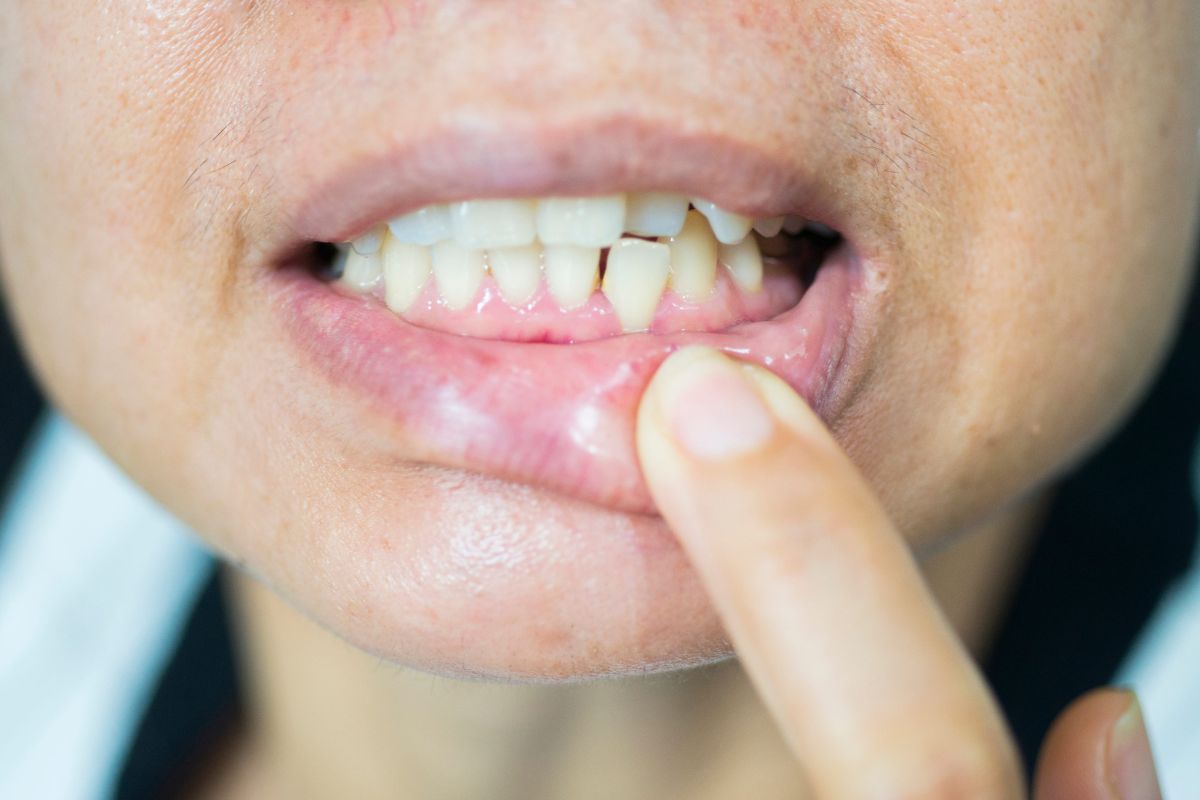
Gum disease begins with plaque — a sticky, bacteria-laden film that constantly forms on your teeth. When plaque isn’t removed through regular brushing and flossing, it hardens into tartar and begins to irritate the gum tissue. This early stage is called gingivitis, and it’s characterized by red, swollen, or bleeding gums.
Left untreated, gingivitis progresses to periodontitis — a far more serious condition in which the infection spreads below the gumline, attacking the bone and connective tissue that hold your teeth in place. At this stage, the damage can become permanent.
The tricky part? Gum disease is often painless in its early stages. You may not feel anything unusual even as the infection progresses. That’s exactly why routine dental visits and early treatment are so critical.
7 Reasons Why Gum Disease Treatment Is a Health Priority You Can’t Ignore
1. Gum Disease Is Directly Linked to Heart Disease
This is the connection that stops most people in their tracks. Research has consistently shown a strong association between periodontal disease and cardiovascular conditions, including heart attack and stroke. The bacteria responsible for gum infections can enter the bloodstream and trigger inflammation in the arteries — a known contributor to heart disease. Treating gum disease isn’t just about your mouth. It’s about protecting your heart.
2. It Can Worsen Diabetes — and Diabetes Can Worsen It
The relationship between gum disease and diabetes runs in both directions. People with diabetes are more susceptible to infections, including gum disease. At the same time, untreated gum disease makes it harder to control blood sugar levels, creating a dangerous cycle.
Managing your periodontal health is a critical — and often overlooked — component of diabetes management.
3. Untreated Gum Disease Leads to Tooth Loss
This is the most visible consequence. As periodontitis advances, it destroys the bone and tissue that anchor your teeth. Teeth begin to loosen, shift, and eventually fall out or require extraction. Tooth loss isn’t just cosmetic — it affects your ability to chew, speak clearly, and maintain proper nutrition. Early gum disease treatment can stop this process entirely. Waiting cannot reverse it.
4. It Has Been Linked to Respiratory Disease
Bacteria from infected gums can be inhaled into the lungs, potentially contributing to respiratory infections, pneumonia, and worsening chronic obstructive pulmonary disease (COPD). For patients with existing lung conditions, this connection is worth taking seriously. As this condition could require a hospitalization.
5. Gum Disease During Pregnancy Poses Real Risks
Pregnant women with untreated periodontitis face a higher risk of premature birth and delivering low-birth-weight babies. Hormonal changes during pregnancy can also accelerate the progression of gum disease, making prenatal dental care essential — not optional.
If you’re pregnant or planning to become pregnant and live in the Bellingham, WA area, scheduling a periodontal evaluation at Love Dentistry should be at the top of your to-do list.
6. It’s Connected to Cognitive Decline and Alzheimer’s Disease
Emerging research has found a link between the bacteria associated with gum disease — particularly Porphyromonas gingivalis — and the development of Alzheimer’s disease. While research is still ongoing, the findings are significant enough that periodontal health is now being studied as a modifiable risk factor for dementia. Protecting your brain may start with protecting your gums.
7. Early Treatment Is Far Easier — and Less Costly — Than Advanced Care
Here’s the practical reality: catching and treating gum disease in its early stages is significantly simpler and more affordable than addressing advanced periodontitis. Early-stage treatment typically involves professional cleaning and improved at-home care. Advanced stages may require scaling and root planing, surgical procedures, bone grafts, or tooth replacements.
The earlier you act, the less invasive — and less expensive — the solution.
Don’t wait for symptoms to get worse. Call us today or book your appointment online. Your healthiest smile starts with one decision.
What Does Gum Disease Treatment Actually Involve?
Many patients delay treatment because they’re not sure what to expect. Here’s a straightforward breakdown:
- Professional Deep Cleaning (Scaling and Root Planing): The most common non-surgical treatment. Your dentist or hygienist removes plaque and tartar from below the gumline and smooths the root surfaces to help gum tissue reattach.
- Antibiotic Therapy: In some cases, topical or oral antibiotics are prescribed to eliminate remaining bacteria and prevent reinfection.
- Surgical Treatments: For advanced cases, procedures such as flap surgery (pocket reduction), bone grafting, or tissue grafting may be recommended to restore structural support.
- Ongoing Maintenance: After treatment, patients are typically placed on a periodontal maintenance schedule — usually every 3 to 4 months — to monitor healing and prevent recurrence.
Treatment is far less intimidating than most patients expect, and the long-term results are life-changing.
Signs You May Already Have Gum Disease
Pay attention to these warning signals:
- Gums that bleed when you brush or floss
- Red, swollen, or tender gum tissue
- Persistent bad breath that doesn’t go away with brushing
- Gums that appear to be pulling away from your teeth
- Loose or shifting teeth
- Pain when chewing
- Visible pus between teeth and gums
- A change in the way your teeth fit together when you bite
If you’re experiencing any of these symptoms, do not ignore them. Schedule an evaluation with Love Dentistry in Bellingham, WA as soon as possible.
Why Choose Love Dentistry
At Love Dentistry, we’re not just a dental office — we’re your partners in long-term health. Serving the Bellingham, WA community, we’ve built our practice on three core values: clinical excellence, genuine compassion, and patient education.
Here’s what sets us apart:
- Experienced, Caring Team: Our dental professionals bring years of expertise in periodontal care, staying current with the latest research and techniques to give you the best possible outcomes.
- Personalized Treatment Plans: We don’t believe in one-size-fits-all dentistry. Every patient receives a thorough evaluation and a treatment approach tailored to their specific needs, health history, and goals.
- Comfortable, Judgment-Free Environment: We know that dental anxiety is real, and we know that many patients feel embarrassed about the state of their gums. At Love Dentistry, you will never be judged — only supported. We are happy you are here!
- Comprehensive Care Under One Roof: From preventive cleanings to advanced periodontal therapy, we offer everything you need to achieve and maintain a healthy smile, right here in Bellingham, WA.
- Transparent Communication: We explain everything in plain language. Before any treatment begins, you’ll understand exactly what’s happening, why it’s recommended, and what to expect.
Your health and your comfort are our highest priorities. Period.
Conclusion
Gum disease is not a minor inconvenience. It is a serious, systemic health condition that, left untreated, can affect your heart, your brain, your lungs, your blood sugar, and your quality of life — not just your teeth and gums. The good news is that it is highly treatable, especially when caught early.
The seven reasons outlined in this post are not meant to alarm you. They are meant to motivate you. Because the path forward is clear: prioritize your periodontal health, partner with a dental team you trust, and never again underestimate the power of a healthy mouth.
At Love Dentistry in Bellingham, WA, we’re here to walk that path with you every step of the way. Your smile deserves the best care — and so does your body.
Love Dentistry is accepting new patients in Bellingham, WA, and we would be honored to be the team that helps you reclaim your oral health. Book your gum disease evaluation today. Same-week appointments available.
Frequently Asked Questions (FAQs)
1. Is gum disease reversible?
Gingivitis, the earliest stage of gum disease, is fully reversible with professional cleaning and improved home oral hygiene. More advanced periodontitis is not fully reversible, but it is highly manageable with proper treatment and ongoing maintenance to prevent further progression.
2. How do I know if I have gum disease?
Common signs include bleeding gums, persistent bad breath, red or swollen gum tissue, receding gums, and loose teeth. However, gum disease can be present without obvious symptoms, which is why regular dental checkups are essential for early detection.
3. Does gum disease treatment hurt?
Most patients find gum disease treatment to be far more comfortable than they anticipated. Procedures such as scaling and root planing are typically performed under local anesthesia, and any post-treatment sensitivity is usually mild and temporary.
4. How often should I come in after gum disease treatment?
After completing active treatment, most patients are placed on a periodontal maintenance schedule of every 3 to 4 months. This frequency allows your dental team to monitor your healing, remove bacterial buildup, and catch any signs of recurrence early.
5. Can gum disease come back after treatment?
Yes, gum disease can recur if proper oral hygiene habits and routine maintenance visits are not maintained. This is why your at-home care routine and regular professional cleanings are just as important as the treatment itself. Your Love Dentistry team will provide you with a personalized home care plan to help you stay ahead of it.