



If you’ve recently had a dental implant placed — or you’re considering one — one of the first questions that comes to mind is: Will it hurt? The honest answer is yes, some discomfort is completely normal. But understanding what kind of pain is expected, when it should ease up, and when it’s a red flag can make the entire experience far less stressful.
At Love Dentistry in Bellingham, WA, an informed patient is a confident patient. So let’s walk you through everything you need to know about pain during dental implant recovery — and how to make your healing journey as smooth as possible.
What Is a Dental Implant and Why Does Recovery Take Time?
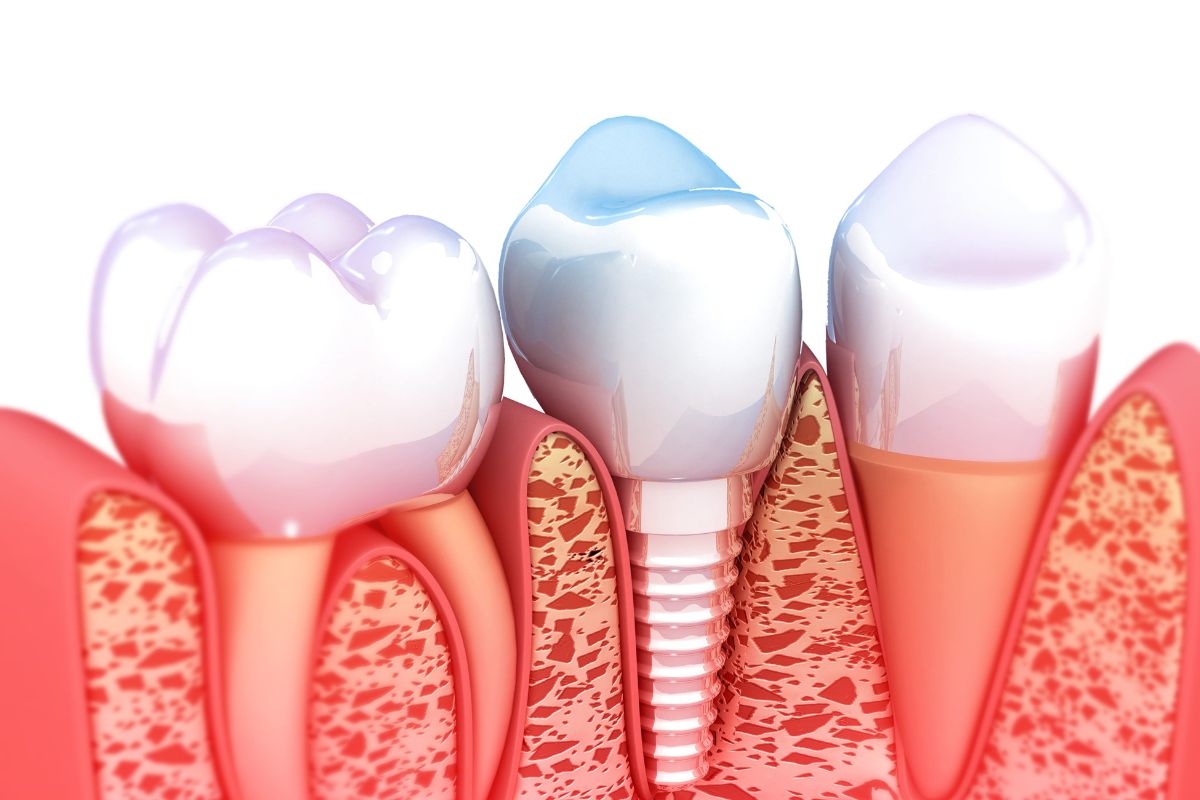
A dental implant is a titanium post surgically placed into your jawbone to act as an artificial tooth root. Because this is a surgical procedure that involves your bone and soft tissue, your body naturally needs time to heal and integrate the implant — a process called osseointegration.
This fusion between the implant and your jawbone is what makes dental implants so durable and long-lasting. But because bone regeneration is involved, recovery isn’t instant. It takes patience, proper care, and realistic expectations.
Understanding the Dental Implant Healing Stages
Knowing what to expect at each phase of recovery is key to staying calm and recognizing when something is off. Here’s a breakdown of the dental implant healing stages and the pain levels associated with each:
Stage 1 — The First 24 to 72 Hours (Acute Recovery)
This is when discomfort is at its peak. Immediately after surgery, your mouth will be numb from the local anesthetic. Once that wears off — typically within a few hours — you can expect:
- Throbbing pain or soreness around the implant site
- Swelling in the gums, cheek, and jaw
- Minor bleeding or oozing
- Bruising around the jaw or chin
This is your body’s natural inflammatory response kicking in. It’s a sign that healing has begun, not that something is wrong. Most patients describe this pain as manageable with prescribed or over-the-counter pain medication.
Stage 2 — Days 3 to 7 (Early Healing)
By day three, most patients notice a significant reduction in pain. Swelling peaks around day two or three, typically before beginning to subside. You should start to feel more like yourself during this window.
Soft foods, cold compresses, and keeping your head elevated when sleeping will go a long way here. Any pain that is worsening after day three — rather than improving — should prompt a call to your dentist.
Stage 3 — Weeks 2 to 4 (Tissue Healing)
The gum tissue around your implant continues to close and heal. At this point, most patients feel little to no pain. There may be occasional tenderness when eating or brushing near the area, but sharp or throbbing pain should be gone.
Stage 4 — Months 2 to 6 (Osseointegration)
This is the longest and most critical phase. Your jawbone is gradually fusing with the titanium implant. You likely won’t feel much during this stage, but you must keep all follow-up appointments so your dentist can monitor the integration progress.
Stage 5 — The Final Restoration
Once osseointegration is confirmed, your dentist will attach the abutment and crown. This step may involve minor soreness for a few days as your mouth adjusts to the new structure.
What Does Normal Post-Implant Pain Feel Like?
Normal pain after a dental implant procedure is:
- Dull, achy, or throbbing — not sharp or electric
- Localized to the implant site and surrounding area
- Improving progressively day by day
- Manageable with ibuprofen, acetaminophen, or prescribed medication
- Accompanied by some swelling and mild bruising
Most patients are surprised by how tolerable the recovery is when they follow their dentist’s aftercare instructions carefully.
When Pain Is NOT Normal — Warning Signs to Watch For
While some discomfort is expected, certain types of pain signal a problem that needs immediate attention. Contact your dentist right away if you experience:
- Pain that gets worse after day three instead of better
- Severe throbbing that doesn’t respond to pain medication
- Fever, chills, or a bad taste in your mouth (signs of infection)
- Visible pus or unusual discharge around the implant site
- Numbness or tingling that persists beyond 24 hours
- The implant feels loose or shifting
These symptoms could indicate implant failure, infection, or nerve irritation — all of which are treatable when caught early. Don’t wait it out. Call your dental team immediately.
Tips to Minimize Pain and Speed Up Healing
The good news? There’s a lot you can do to manage pain and support your body through recovery.
- Follow your aftercare instructions to the letter: Your dentist gives you these for a reason. Skipping steps like rinsing with salt water or avoiding hard foods can significantly set your recovery back.
- Take medication as directed: Don’t wait until pain becomes unbearable. Take prescribed or recommended pain relievers on schedule during the first few days.
- Apply ice packs to your face. During the first 24 to 48 hours, use a cold pack for 20 minutes on, 20 minutes off to reduce swelling and numb the area.
- Stick to soft foods: Think yogurt, mashed potatoes, scrambled eggs, smoothies, and soup. Give your jaw a break during the first week at a minimum.
- Avoid smoking: Smoking dramatically impairs blood flow and healing. It’s one of the top causes of implant failure. If there’s ever a time to quit, this is it.
- Rest and sleep with your head elevated: Keeping your head above your heart helps reduce swelling and pressure.
- Stay hydrated and eat well: Proper nutrition fuels your immune system and supports tissue regeneration.
Schedule your personalized implant consultation today, and let’s build you a smile that lasts a lifetime. Call us or book online — your new smile is one appointment away.
How Long Does Dental Implant Pain Last Overall?
For most patients, the bulk of noticeable pain resolves within 7 to 10 days. By the two-week mark, most people are back to their normal routines with little to no discomfort. The long osseointegration phase that follows is largely pain-free.
The full implant process — from placement to final crown — typically spans 3 to 6 months, depending on your bone density and healing pace. But don’t let that timeline intimidate you. The active discomfort is just a small window within that larger journey.
Factors That Can Affect Your Pain Levels
Not everyone experiences the same level of post-implant pain. Several factors can influence your recovery:
- Number of implants placed — Multiple implants in one session means more tissue trauma and a potentially more intense recovery.
- Bone grafting — If you require a bone graft before or during implant placement, expect a longer and more involved healing process.
- Overall health — Patients with diabetes, autoimmune conditions, or those on certain medications may heal more slowly.
- Oral hygiene — A clean mouth heals faster. Bacteria and plaque around an implant site increase the risk of infection.
- Dentist experience — A skilled, experienced implant dentist causes less tissue trauma during surgery, which directly impacts post-operative comfort.
Why Choose Love Dentistry
At Love Dentistry we guide you through one of the most important investments you’ll ever make in your health and confidence. Here’s why patients throughout Bellingham, WA, and the surrounding area trust us with their smiles:
- Experienced implant specialists who use the latest surgical techniques to minimize tissue trauma and support faster healing
- Personalized treatment plans designed around your unique anatomy, health history, and smile goals
- Compassionate, judgment-free care — we know dental procedures can feel scary, and we take that seriously
- Thorough aftercare support — we don’t disappear after surgery; our team is available to answer questions and monitor your recovery.
- A warm, welcoming environment in the heart of Bellingham, WA, where you feel like a person, not a patient number
- Transparent pricing and financing options so that high-quality dental care is accessible to more people.
We’ve helped hundreds of patients in the Bellingham area reclaim full, functional, beautiful smiles through dental implants — and we’d be honored to do the same for you.
Conclusion
Pain during dental implant recovery is a normal, expected part of the healing process — but it’s also manageable, temporary, and a small price to pay for a lifetime of restored function and confidence. By understanding the dental implant healing stages, knowing what’s normal versus alarming, and following your dentist’s guidance, you set yourself up for the best possible outcome.
The key is to choose a dental team that doesn’t just perform the procedure and sends you home — but one that truly partners with you through every phase of your journey. That’s exactly what we do at Love Dentistry in Bellingham, WA. Your smile deserves the best care. And that starts with being informed.
Contact Love Dentistry in Bellingham, WA, today to schedule a no-pressure consultation and get honest, expert answers to all your questions. Book online or give us a call — we can’t wait to meet you.
Frequently Asked Questions About Dental Implant Pain and Healing
1. How much pain is normal after a dental implant?
Mild to moderate soreness, swelling, and bruising in the first three to five days are completely normal. Most patients manage pain comfortably with over-the-counter anti-inflammatories like ibuprofen.
2. When should I be worried about pain after a dental implant?
If your pain worsens after day three, is accompanied by fever, discharge, or a foul taste, or if your implant feels loose, contact your dentist immediately. These can be signs of infection or implant failure.
3. Can I go to work the next day after getting a dental implant?
Many patients return to desk jobs within one to two days. If your work involves physical labor, it’s best to take three to five days off to avoid increased bleeding and swelling.
4. Does the bone grafting procedure make recovery more painful?
Yes, bone grafting adds a layer of complexity to recovery. Patients who receive grafts typically experience more swelling and a longer healing period, but this varies from person to person.
5. How do I know when my dental implant has fully healed?
Your dentist will confirm osseointegration through X-rays and clinical evaluation, typically 3 to 6 months after placement. At that point, the final crown is attached, and your implant is fully functional.