

What Is the Difference Between a Dental Crown vs Filling for Tooth Decay?

Dentist in Bellingham, WA

You’re sitting in the dentist’s chair, and your dentist just told you that you have tooth decay. Before you can even process the news, they mention two words: crown or filling. Suddenly, your mind is spinning. What’s the Difference? Which one do you need? How much will it cost? Will it hurt?

Take a breath. You’re not alone — this is one of the most common questions patients ask at our practice here in Bellingham, WA. And by the time you finish reading this guide, you’ll walk away with total clarity on what each treatment does, when one is used over the other, and how to make the best decision for your long-term oral health. Let’s break it all down.

Understanding Tooth Decay: The Root of the Problem

Before we compare treatments, it helps to understand what’s actually happening inside your tooth when decay strikes.

Tooth decay — also called dental caries — occurs when bacteria in your mouth produce acids that slowly erode your tooth enamel. Left untreated, that erosion deepens, moving through the enamel into the softer dentin layer beneath, and eventually toward the nerve of your tooth.

The stage of decay largely determines your treatment. Caught early, a simple filling does the job. Caught later — when the tooth structure is significantly compromised — a dental crown becomes necessary to save the tooth.

What Is a Dental Filling?

A dental filling is the most common restorative dental procedure in the world, and for good reason. It’s efficient, minimally invasive, and when done correctly, it lasts for years.

Here’s how the process works:

  1. Your dentist numbs the area with a local anesthetic.
  2. The decayed portion of the tooth is removed using a dental drill or laser.
  3. The cleaned cavity is filled with a restorative material.
  4. The filling is shaped and polished to match the natural bite of your tooth.

The entire process typically takes 30–60 minutes per tooth.

Types of filling materials include:

  • Composite resin (tooth-colored, most popular for visible teeth)
  • Amalgam (silver-colored, highly durable, often used for back teeth)
  • Gold (extremely durable, premium option)
  • Ceramic (strong, tooth-colored, highly stain-resistant)

Fillings are ideal when the cavity is relatively small, and the surrounding tooth structure remains strong and intact. Think of a filling like patching a pothole — it fills in the damage without needing to replace the entire road.

What Is a Dental Crown?

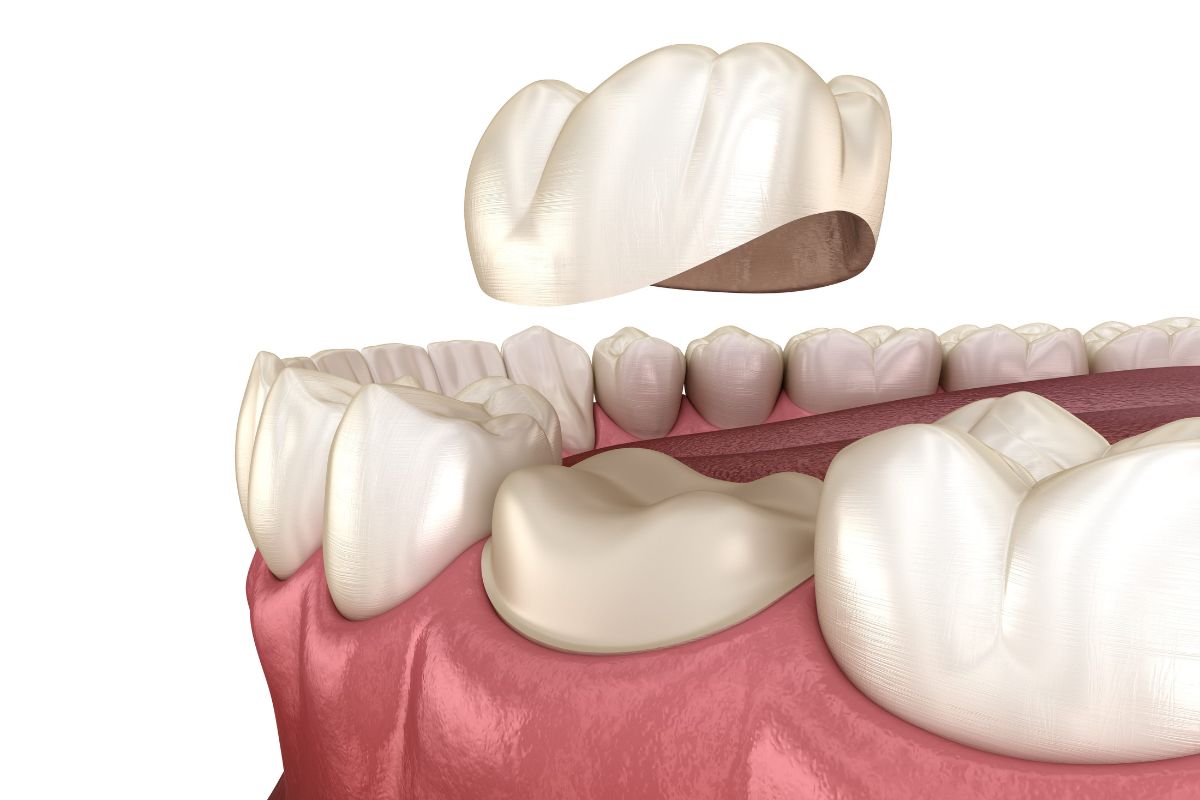
A dental crown — sometimes called a “cap” — is a custom-made cover that fits entirely over a tooth, restoring its shape, strength, size, and appearance. Unlike a filling that fills a hole, a crown encases the entire visible portion of the tooth above the gum line.

The crown placement process typically involves two appointments:

  1. First visit: All the decay is cleaned out. The tooth is reshaped and reduced in size to make room for the crown. An impression (or digital scan) is taken, and a temporary crown is placed.
  2. Second visit: The permanent, custom-fabricated crown is cemented into place.

With same-day CEREC technology (which we offer at Love Dentistry in Bellingham, WA), some crowns can be designed, milled, and placed in a single appointment.

Common crown materials include:

  • Porcelain-fused-to-metal (strong with a natural look)
  • All-ceramic or all-porcelain (best for front teeth aesthetics)
  • Zirconia (extremely strong, ideal for back teeth)
  • Gold alloy (exceptional durability, often used in back molars)

Crowns are used when tooth decay is extensive, when the tooth is cracked or fractured, after root canal treatment, or when a large filling fails. Think of a crown like replacing the entire roof of a house after the damage is too widespread to patch.

Dental Crown vs Filling: The Key Differences You Need to Know

This is the section you’ve been waiting for. Here’s a clear, side-by-side breakdown of how these two treatments compare:

  • Extent of Treatment: A filling addresses a small, localized area of decay. A crown covers and protects the entire tooth.
  • Amount of Tooth Structure Preserved: Fillings preserve more natural tooth structure. Crowns require the tooth to be reshaped and reduced in size.
  • Strength & Protection: Fillings restore function but don’t add significant structural reinforcement. Crowns fully reinforce and protect a weakened tooth.
  • Durability: Composite fillings last 7–10 years on average. Dental crowns typically last 10–20 years or more with proper care.
  • Cost: Fillings are generally less expensive upfront. Crowns cost more but may prevent more extensive (and costly) treatment later.
  • Recovery: Both procedures involve minimal recovery. Some sensitivity is normal for a few days following either treatment.
  • When it’s used: Fillings are used for small to moderate cavities with intact surrounding structure. Crowns are used for large cavities, cracked teeth, weakened teeth, or post-root canal.

Book your appointment with Love Dentistry in Bellingham, WA, today. Our team will assess your tooth, walk you through your options, and help you make the best choice for your smile and your budget.

How Does a Dentist Decide Which Treatment You Need?

This is one of the most important questions — and the honest answer is: it depends on a clinical evaluation that only your dentist can make. That said, here are the primary factors that guide that decision:

  • Size of the decay: If less than 50% of the tooth’s chewing surface is affected, a filling is often sufficient. If more than half of the tooth is decayed, a crown is typically recommended.
  • Location of the cavity: Decay between teeth or on the biting surface can often be filled. Decay that undermines the cusps (the raised edges of molars) often requires a crown to prevent the tooth from fracturing.
  • Tooth fractures: A cracked tooth is almost always better treated with a crown. Fillings cannot hold the cracked tooth walls together.
  • Previous dental work: A tooth with a large filling and new decay may no longer have enough healthy structure for another filling, making a crown the right choice.
  • Risk of future fracture: Your dentist considers the biomechanical forces on the tooth. A back molar that bears heavy chewing pressure may need a crown even with moderate decay, simply because the risk of fracture is too high.

The Long-Term Value of Getting the Right Treatment

One of the biggest misconceptions patients have is that they should always choose a filling because it’s cheaper. But here’s the truth: choosing a filling when a crown is actually needed can lead to a fractured tooth, which may ultimately require extraction and replacement with an implant — a far more expensive and involved process.

On the flip side, choosing a crown when a simple filling would have done the job means unnecessary removal of healthy tooth structure.

The right treatment isn’t about the price tag. It’s about matching the intervention to the severity of the problem. At Love Dentistry, we always take a conservative approach — recommending the least invasive option that will truly solve the problem for the long term.

How to Care for Fillings and Crowns

Whether you receive a filling or a crown, proper care dramatically extends the lifespan of your restoration.

For both fillings and crowns:

  • Brush twice daily with a soft-bristle toothbrush and fluoride toothpaste
  • Floss daily, being careful around the margins of the restoration
  • Visit your dentist every 6 months for a cleaning and checkup
  • Avoid using your teeth as tools (e.g., opening packages, biting nails).
  • Wear a nightguard if you grind your teeth during sleep.

Specifically for crowns:

  • Avoid extremely hard or sticky foods that can dislodge or crack the crown
  • Be mindful when flossing — use a sliding motion rather than snapping the floss, which could pull the crown loose

Specifically for composite fillings:

  • Limit staining foods and beverages (coffee, red wine, berries) to preserve the color of tooth-colored fillings.
  • Note that composite resin can stain over time and may need to be replaced sooner than ceramic or gold options.

Why Choose Love Dentistry

If you’re in Bellingham, WA and facing a decision between a dental crown or filling — or simply due for a checkup — Love Dentistry is here to make the experience as comfortable, clear, and high-quality as possible.

Here’s what sets us apart:

  • Patient-first philosophy: We take the time to explain your diagnosis and all your options before we ever pick up a tool. You will never feel rushed or pressured.
  • Advanced technology: From digital X-rays that minimize radiation to same-day crown technology, we use modern tools that make treatment faster and more precise.
  • Experienced, caring team: Our dental professionals bring years of clinical expertise with a warm, welcoming approach — especially for patients with dental anxiety.
  • Transparent pricing: We discuss costs upfront and work with your insurance to maximize your benefits. No surprises.
  • Convenient Bellingham location: We proudly serve patients throughout Bellingham, WA, and the surrounding communities of Whatcom County.
  • Comprehensive care: From preventive cleanings to restorative crowns, fillings, implants, and cosmetic treatments — we’re your one-stop dental home.

Great dental care isn’t just about fixing teeth. It’s about building lasting relationships with patients who trust us with their health. That’s the Love Dentistry difference.

Conclusion

The choice between a dental crown and a filling isn’t a matter of preference — it’s a matter of clinical need. Fillings are a fantastic, minimally invasive solution for small to moderate cavities where the tooth structure remains largely intact. Crowns are the right choice when the damage is more extensive, a tooth is cracked, or long-term structural integrity is at stake.

What matters most is getting an accurate diagnosis from a dentist you trust — one who will give you an honest recommendation based on your unique situation, not what’s most convenient or profitable.

At Love Dentistry in Bellingham, WA, that’s exactly what we do. We’re committed to giving every patient the clearest picture of their oral health and the most personalized, effective care possible because your smile deserves nothing less.

Whether you need a filling, a crown, or just a second opinion, Love Dentistry in Bellingham, WA, is ready to help. Call us today or Book online — your healthiest smile starts with a single appointment. 

Frequently Asked Questions (FAQs)

1. How do I know if I need a crown or a filling? 

Only a dentist can make that determination after examining your tooth — usually with X-rays and a clinical evaluation. The main factors are the extent of the decay, the location of the cavity, and the amount of healthy tooth structure remaining.

2. Does getting a crown or filling hurt? 

Both procedures are performed under local anesthesia, so you shouldn’t feel pain during treatment. Some mild sensitivity or soreness afterward is normal and typically resolves within a few days.

3. How long do dental fillings and crowns last? 

Composite fillings typically last 7–10 years. Dental crowns generally last 10–20 years or longer with good oral hygiene and regular dental visits.

4. Are dental crowns and fillings covered by insurance? 

Most dental insurance plans cover a portion of both fillings and crowns, particularly when they are deemed medically necessary. Coverage varies by plan, so it’s best to check with your insurance provider or ask our team at Love Dentistry to help you understand your benefits.

5. Can a tooth that already has a filling get a crown later? 

Yes, absolutely. In fact, this is very common. If a tooth with an existing filling develops new decay or cracks, and there is no longer enough healthy structure to support another filling, a crown is the natural next step to save the tooth.
Is It Normal to Experience Pain During the Dental Implant Healing Stages?

Dentist in Bellingham, WA

If you’ve recently had a dental implant placed — or you’re considering one — one of the first questions that comes to mind is: Will it hurt? The honest answer is yes, some discomfort is completely normal. But understanding what kind of pain is expected, when it should ease up, and when it’s a red flag can make the entire experience far less stressful.

At Love Dentistry in Bellingham, WA, an informed patient is a confident patient. So let’s walk you through everything you need to know about pain during dental implant recovery — and how to make your healing journey as smooth as possible.

What Is a Dental Implant and Why Does Recovery Take Time?

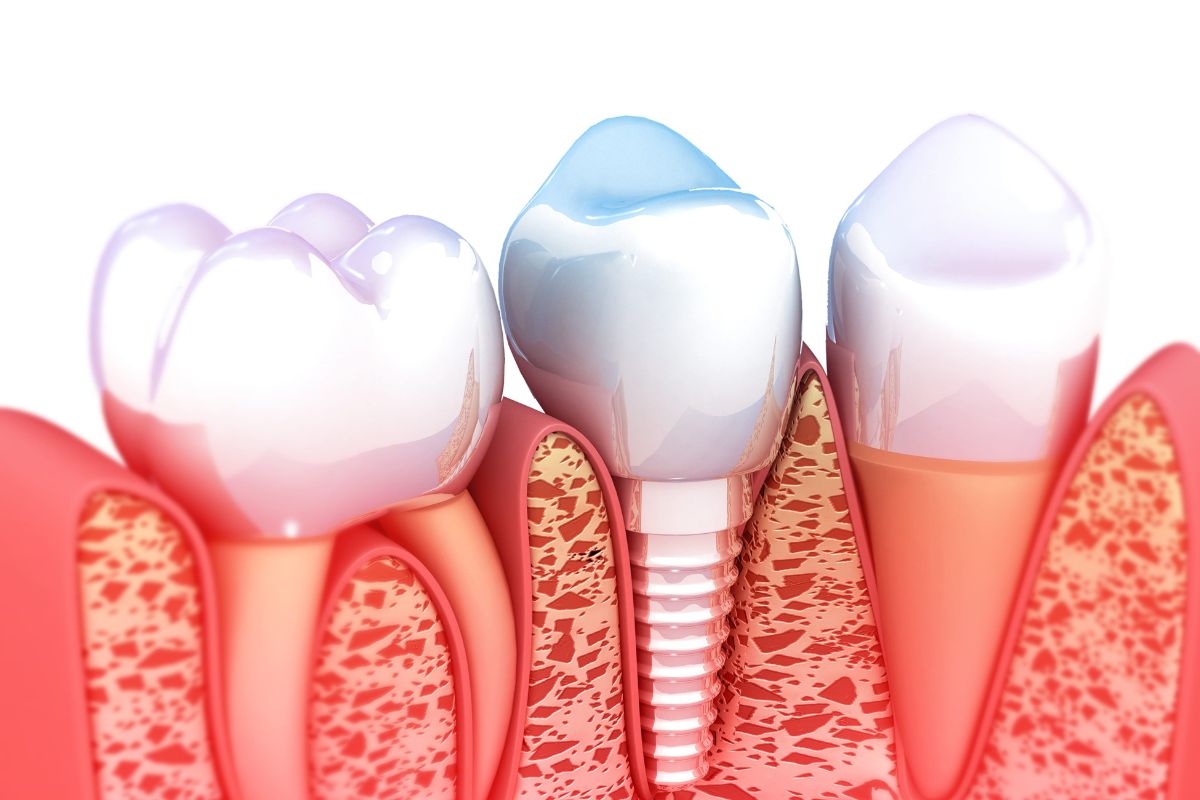
A dental implant is a titanium post surgically placed into your jawbone to act as an artificial tooth root. Because this is a surgical procedure that involves your bone and soft tissue, your body naturally needs time to heal and integrate the implant — a process called osseointegration.

This fusion between the implant and your jawbone is what makes dental implants so durable and long-lasting. But because bone regeneration is involved, recovery isn’t instant. It takes patience, proper care, and realistic expectations.

Understanding the Dental Implant Healing Stages

Knowing what to expect at each phase of recovery is key to staying calm and recognizing when something is off. Here’s a breakdown of the dental implant healing stages and the pain levels associated with each:

Stage 1 — The First 24 to 72 Hours (Acute Recovery)

This is when discomfort is at its peak. Immediately after surgery, your mouth will be numb from the local anesthetic. Once that wears off — typically within a few hours — you can expect:

  • Throbbing pain or soreness around the implant site
  • Swelling in the gums, cheek, and jaw
  • Minor bleeding or oozing
  • Bruising around the jaw or chin

This is your body’s natural inflammatory response kicking in. It’s a sign that healing has begun, not that something is wrong. Most patients describe this pain as manageable with prescribed or over-the-counter pain medication.

Stage 2 — Days 3 to 7 (Early Healing)

By day three, most patients notice a significant reduction in pain. Swelling peaks around day two or three, typically before beginning to subside. You should start to feel more like yourself during this window.

Soft foods, cold compresses, and keeping your head elevated when sleeping will go a long way here. Any pain that is worsening after day three — rather than improving — should prompt a call to your dentist.

Stage 3 — Weeks 2 to 4 (Tissue Healing)

The gum tissue around your implant continues to close and heal. At this point, most patients feel little to no pain. There may be occasional tenderness when eating or brushing near the area, but sharp or throbbing pain should be gone.

Stage 4 — Months 2 to 6 (Osseointegration)

This is the longest and most critical phase. Your jawbone is gradually fusing with the titanium implant. You likely won’t feel much during this stage, but you must keep all follow-up appointments so your dentist can monitor the integration progress.

Stage 5 — The Final Restoration

Once osseointegration is confirmed, your dentist will attach the abutment and crown. This step may involve minor soreness for a few days as your mouth adjusts to the new structure.

What Does Normal Post-Implant Pain Feel Like?

Normal pain after a dental implant procedure is:

  • Dull, achy, or throbbing — not sharp or electric
  • Localized to the implant site and surrounding area
  • Improving progressively day by day
  • Manageable with ibuprofen, acetaminophen, or prescribed medication
  • Accompanied by some swelling and mild bruising

Most patients are surprised by how tolerable the recovery is when they follow their dentist’s aftercare instructions carefully.

When Pain Is NOT Normal — Warning Signs to Watch For

While some discomfort is expected, certain types of pain signal a problem that needs immediate attention. Contact your dentist right away if you experience:

  • Pain that gets worse after day three instead of better
  • Severe throbbing that doesn’t respond to pain medication
  • Fever, chills, or a bad taste in your mouth (signs of infection)
  • Visible pus or unusual discharge around the implant site
  • Numbness or tingling that persists beyond 24 hours
  • The implant feels loose or shifting

These symptoms could indicate implant failure, infection, or nerve irritation — all of which are treatable when caught early. Don’t wait it out. Call your dental team immediately.

Tips to Minimize Pain and Speed Up Healing

The good news? There’s a lot you can do to manage pain and support your body through recovery.

  • Follow your aftercare instructions to the letter: Your dentist gives you these for a reason. Skipping steps like rinsing with salt water or avoiding hard foods can significantly set your recovery back.
  • Take medication as directed: Don’t wait until pain becomes unbearable. Take prescribed or recommended pain relievers on schedule during the first few days.
  • Apply ice packs to your face. During the first 24 to 48 hours, use a cold pack for 20 minutes on, 20 minutes off to reduce swelling and numb the area.
  • Stick to soft foods: Think yogurt, mashed potatoes, scrambled eggs, smoothies, and soup. Give your jaw a break during the first week at a minimum.
  • Avoid smoking: Smoking dramatically impairs blood flow and healing. It’s one of the top causes of implant failure. If there’s ever a time to quit, this is it.
  • Rest and sleep with your head elevated: Keeping your head above your heart helps reduce swelling and pressure.
  • Stay hydrated and eat well: Proper nutrition fuels your immune system and supports tissue regeneration.

Schedule your personalized implant consultation today, and let’s build you a smile that lasts a lifetime. Call us or book online — your new smile is one appointment away.

How Long Does Dental Implant Pain Last Overall?

For most patients, the bulk of noticeable pain resolves within 7 to 10 days. By the two-week mark, most people are back to their normal routines with little to no discomfort. The long osseointegration phase that follows is largely pain-free.

The full implant process — from placement to final crown — typically spans 3 to 6 months, depending on your bone density and healing pace. But don’t let that timeline intimidate you. The active discomfort is just a small window within that larger journey.

Factors That Can Affect Your Pain Levels

Not everyone experiences the same level of post-implant pain. Several factors can influence your recovery:

  • Number of implants placed — Multiple implants in one session means more tissue trauma and a potentially more intense recovery.
  • Bone grafting — If you require a bone graft before or during implant placement, expect a longer and more involved healing process.
  • Overall health — Patients with diabetes, autoimmune conditions, or those on certain medications may heal more slowly.
  • Oral hygiene — A clean mouth heals faster. Bacteria and plaque around an implant site increase the risk of infection.
  • Dentist experience — A skilled, experienced implant dentist causes less tissue trauma during surgery, which directly impacts post-operative comfort.

Why Choose Love Dentistry

At Love Dentistry we guide you through one of the most important investments you’ll ever make in your health and confidence. Here’s why patients throughout Bellingham, WA, and the surrounding area trust us with their smiles:

  • Experienced implant specialists who use the latest surgical techniques to minimize tissue trauma and support faster healing
  • Personalized treatment plans designed around your unique anatomy, health history, and smile goals
  • Compassionate, judgment-free care — we know dental procedures can feel scary, and we take that seriously
  • Thorough aftercare support — we don’t disappear after surgery; our team is available to answer questions and monitor your recovery.
  • A warm, welcoming environment in the heart of Bellingham, WA, where you feel like a person, not a patient number
  • Transparent pricing and financing options so that high-quality dental care is accessible to more people.

We’ve helped hundreds of patients in the Bellingham area reclaim full, functional, beautiful smiles through dental implants — and we’d be honored to do the same for you.

Conclusion

Pain during dental implant recovery is a normal, expected part of the healing process — but it’s also manageable, temporary, and a small price to pay for a lifetime of restored function and confidence. By understanding the dental implant healing stages, knowing what’s normal versus alarming, and following your dentist’s guidance, you set yourself up for the best possible outcome.

The key is to choose a dental team that doesn’t just perform the procedure and sends you home — but one that truly partners with you through every phase of your journey. That’s exactly what we do at Love Dentistry in Bellingham, WA. Your smile deserves the best care. And that starts with being informed.

Contact Love Dentistry in Bellingham, WA, today to schedule a no-pressure consultation and get honest, expert answers to all your questions. Book online or give us a call — we can’t wait to meet you.

Frequently Asked Questions About Dental Implant Pain and Healing

1. How much pain is normal after a dental implant? 

Mild to moderate soreness, swelling, and bruising in the first three to five days are completely normal. Most patients manage pain comfortably with over-the-counter anti-inflammatories like ibuprofen.

2. When should I be worried about pain after a dental implant? 

If your pain worsens after day three, is accompanied by fever, discharge, or a foul taste, or if your implant feels loose, contact your dentist immediately. These can be signs of infection or implant failure.

3. Can I go to work the next day after getting a dental implant? 

Many patients return to desk jobs within one to two days. If your work involves physical labor, it’s best to take three to five days off to avoid increased bleeding and swelling.

4. Does the bone grafting procedure make recovery more painful? 

Yes, bone grafting adds a layer of complexity to recovery. Patients who receive grafts typically experience more swelling and a longer healing period, but this varies from person to person.

5. How do I know when my dental implant has fully healed?

Your dentist will confirm osseointegration through X-rays and clinical evaluation, typically 3 to 6 months after placement. At that point, the final crown is attached, and your implant is fully functional.

What Is Periodontal Maintenance and Why Do You Need It?

Dentist in Bellingham, WA

Understanding what is periodontal maintenance becomes crucial when pain, bleeding gums, bad breath, and fear of tooth loss impact your confidence and social interactions, ultimately affecting your overall quality of life and well-being.

Suppose you’ve tried managing gum problems with basic oral hygiene with little success in controlling the symptoms. In that case, it may be time for a more effective approach to protecting your oral health. Understanding periodontal maintenance is key to helping you preserve your natural teeth and develop a healthy smile that lasts a lifetime.

At Love Dentistry in Bellingham, WA, we specialize in helping patients manage gum disease through periodontal maintenance procedures. Let’s explore the options, benefits, and solutions that can revolutionize your dental experience and protect your smile.

How Does Understanding Periodontal Maintenance Help Provide Long-Term Protection for Your Smile?

Periodontal maintenance represents a real and impactful solution that affects your gum health, tooth retention, and overall well-being without requiring you to accept tooth loss as inevitable.

Instead of living with bleeding gums or avoiding professional care, recognizing the importance of specialized maintenance and addressing periodontal concerns creates a foundation for lasting oral health and improved quality of life.

Why Professional Periodontal Maintenance Works

  • Comprehensive Solutions: Identifying bacterial buildup, pocket depths, and inflammation levels enables the creation of tailored treatment plans that address problems before they worsen or impact other aspects of your health.
  • Advanced Technology: Understanding whether improvements require scaling and root planing, antimicrobial treatments, or surgical interventions helps create personalized approaches using the latest periodontal maintenance procedures.
  • Prevention of Systemic Impact: Addressing gum disease early prevents tooth loss, bone deterioration, and health complications that can extend into cardiovascular and diabetic conditions.
  • Holistic Approach: Involving patients in maintenance planning creates consistency between periodontal health goals and overall wellness needs.
  • Many patients report immediate improvements in their gum health and breath freshness, with continued stability evident over months and years following their periodontal maintenance procedures.

Root Causes and Contributing Factors

Periodontal disease often stems from various genetic, lifestyle, and environmental factors:

  • Genetic Factors: Natural susceptibility to gum inflammation, variations in immune response, or inherited periodontal characteristics are common reasons patients require periodontal maintenance. Family history often influences the progression and severity of diseases.
  • Lifestyle Factors: Poor oral hygiene habits, lack of dental care, smoking, stress, and inadequate nutrition can lead to bacterial overgrowth, inflammation, or tissue breakdown that affects gum health and may necessitate periodontal maintenance procedures.
  • Age-Related Changes: Natural immune system changes, medication effects, or hormonal fluctuations can alter gum tissue response over time. Previous periodontal treatment areas may also need ongoing maintenance to prevent reinfection.
  • Medical Conditions: Diabetes, heart disease, or immune disorders resulting from systemic health issues can create periodontal concerns that impact overall health and may require specialized periodontal maintenance procedures.

Why Choose Love Dentistry in Bellingham for Periodontal Maintenance?

Choosing the right dental practice for your periodontal maintenance can make all the difference in preserving your natural teeth and positively impacting your overall health.

At Love Dentistry, we stand out due to our specialized training and extensive experience in performing advanced periodontal maintenance procedures. Our periodontal-focused expertise enables us to achieve optimal results, even with the most complex cases, by using proven techniques tailored to each patient’s unique needs.

We provide support throughout your maintenance journey. From the initial periodontal evaluation, utilizing advanced diagnostic technology, to ongoing follow-up care and home care guidance, our team ensures you receive the support needed for lasting, healthy results.

Love Dentistry listens, evaluates, and creates personalized periodontal maintenance plans to address your unique gum health concerns and preservation goals. We’re committed to providing not just periodontal maintenance procedures but lasting solutions that help patients maintain their natural teeth and positive relationships with their oral health.

Your Next Step Toward Optimal Periodontal Health

Your gums and long-term oral health deserve nothing less than specialized care from providers who truly understand the science and importance of periodontal maintenance procedures.

At Love Dentistry in Bellingham, WA, our dedicated team combines evidence-based periodontal maintenance procedures with advanced technology and patient-centered attention to address your unique gum health concerns and goals.

We identify the best periodontal maintenance procedures tailored to your specific needs and develop long-term solutions that enhance both your oral health and overall quality of life. Don’t let gum disease compromise your teeth and overall health any longer.

Take the decisive step toward optimal periodontal health by scheduling your maintenance consultation today. Experience the difference that expert, comprehensive care can make and help yourself maintain a healthy smile with effective periodontal maintenance procedures and positive oral health at Bellingham’s premier dental practice.

Contact us today to schedule a consultation and discover how our periodontal maintenance procedures can help you preserve your natural teeth for a lifetime, leading to a lifetime of confident smiles.

Frequently Asked Questions

  1. What are the most critical periodontal maintenance procedures available?

The most essential periodontal maintenance procedures include scaling and root planing, frequent cleaning appointments, monitoring pocket depths, bacterial assessment, and antimicrobial treatments.

  1. How long do results from periodontal maintenance procedures last?

With proper care, most periodontal maintenance procedures protect for 3-4 months, requiring ongoing appointments to maintain optimal gum health.

  1. Does insurance cover periodontal maintenance procedures?

Most periodontal maintenance procedures are covered by dental insurance when medically necessary, especially following active periodontal treatment.

  1. What is the recovery time for periodontal maintenance procedures?

Recovery times are typically minimal, ranging from immediate comfort with routine maintenance to 24-48 hours for more intensive periodontal maintenance procedures.

  1. How does Love Dentistry ensure effective periodontal maintenance results?

Our team in Bellingham, WA, utilizes advanced diagnostic tools, personalized treatment protocols, and comprehensive follow-up care to ensure that your periodontal maintenance procedures provide optimal long-term protection for your smile.

Love Dentistry
4101 Eliza Ave. Bellingham, WA 98226
(360) 623-7318

Visit Our Bellingham Blog

Dentist in Bellingham, WA

What Is the Difference Between a Dental Crown vs Filling for Tooth Decay?

April 1, 2026

You’re sitting in the dentist’s chair, and your dentist just told you that you have tooth decay. Before you can even process the news, they […]

What to Expect During a Dental Cleaning: Bellingham Dentists Provide

March 31, 2026

If you’ve ever put off a dental cleaning because you weren’t sure what to expect — or because the thought of sitting in that chair […]

Is It Normal to Experience Pain During the Dental Implant Healing Stages?

March 27, 2026

If you’ve recently had a dental implant placed — or you’re considering one — one of the first questions that comes to mind is: Will […]