



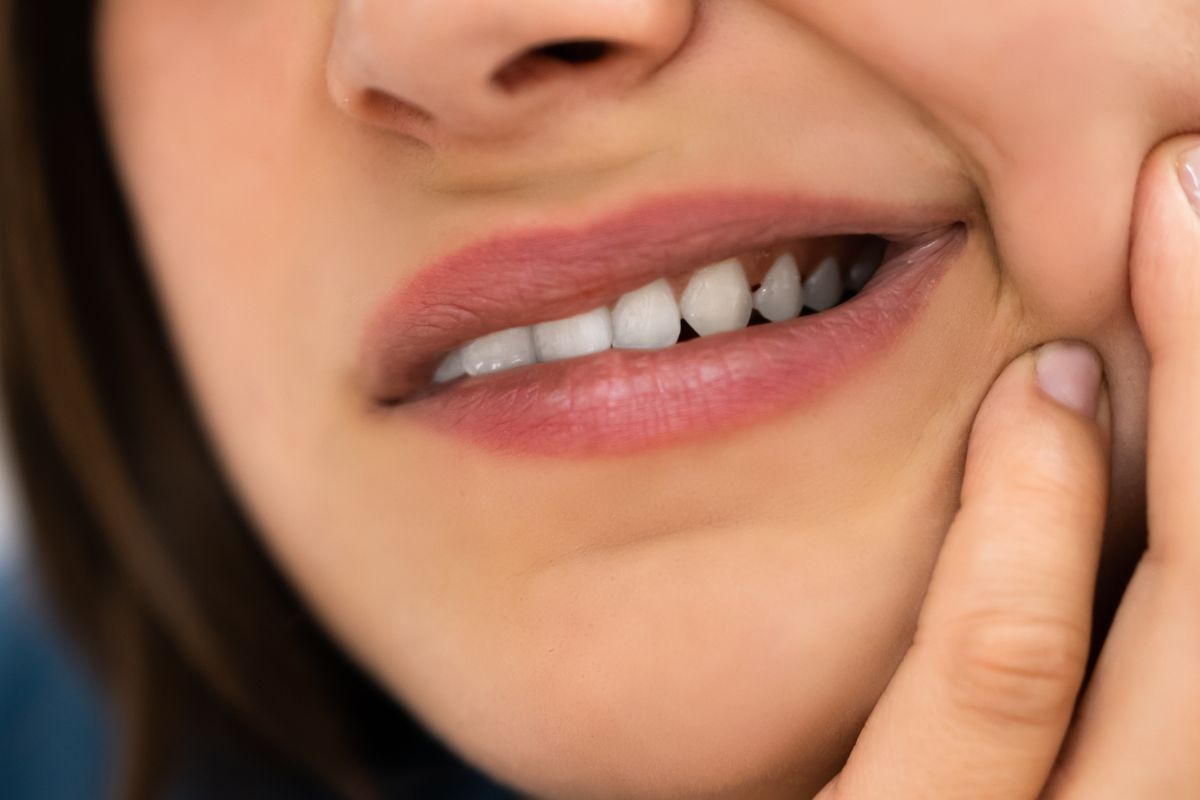
Tooth sensitivity is more than just an uncomfortable sensation when you bite into your favorite ice cream or sip hot coffee. For millions of people, it’s a persistent problem that interferes with eating, drinking, and enjoying everyday activities. If you’re experiencing sharp, shooting pain in your teeth, you’re not alone—and the good news is that there are effective solutions available.
At Love Dentistry in Bellingham, WA, we’ve helped countless patients overcome tooth sensitivity and reclaim their quality of life. In this comprehensive guide, we’ll explore what causes tooth sensitivity, why it happens, and most importantly, how you can stop it for good.
Understanding What Causes Tooth Sensitivity
Tooth sensitivity develops when the underlying layer of your tooth, called dentin, becomes exposed. Think of your tooth structure like a tree: the outer bark is your enamel (the hard protective layer), and beneath it is the softer dentin. When dentin is exposed, the tiny tubules within it allow external stimuli—like temperature, pressure, or acids—to reach the nerve of your tooth, causing that sharp, unpleasant sensation.
Unlike the outer enamel, dentin contains microscopic pores that connect directly to the nerve center of your tooth. When these pores are exposed, even simple activities become uncomfortable. This is why tooth sensitivity often feels worse in certain teeth and can develop suddenly or gradually over time.
The most common causes of exposed dentin include:
- Enamel erosion from acidic foods and beverages
- Aggressive brushing that wears away enamel and gums
- Gum recession, which exposes the tooth root
- Tooth grinding or clenching (bruxism)
- Cracked or chipped teeth
- Cavities or decay
- Worn dental fillings
Understanding the root cause of your sensitivity is the first step toward effective treatment.
What Causes Tooth Sensitivity: The Detailed Breakdown
Enamel Erosion and Acid Attack
One of the primary culprits behind tooth sensitivity is enamel erosion. Your tooth enamel is the hardest substance in your body, but it’s not invincible. Constant exposure to acidic substances gradually dissolves this protective layer.
Acidic foods and drinks are everywhere in our diets—citrus fruits, soda, energy drinks, wine, and even flavored yogurts contain acids that attack your enamel. When you consume these items frequently, your enamel doesn’t have adequate time to remineralize, and erosion accelerates. Over time, as enamel thins, the sensitive dentin underneath becomes increasingly exposed.
The process is often accelerated by how you consume acidic foods. Sipping acidic beverages throughout the day is particularly damaging because it constantly bathes your teeth in acid. Additionally, brushing your teeth immediately after consuming acidic foods can further damage softened enamel.
Gum Disease and Recession
Gum recession is another major cause of tooth sensitivity. Your gums naturally protect your tooth roots, which are softer than the crown and naturally sensitive. When gums recede due to gum disease, overly aggressive brushing, or aging, the roots become exposed.
Unlike the crowned portion of your tooth, the root has no enamel covering—only a softer layer called cementum. This makes exposed roots significantly more sensitive. Gum disease causes inflammation and infection that can lead to progressive recession and, if left untreated, result in serious consequences for your oral health.
Grinding and Clenching
Bruxism, or teeth grinding, is surprisingly common and often goes unnoticed, especially if you grind at night. The constant friction and pressure from grinding wear away enamel over time and can also lead to tooth fractures, further exposing sensitive dentin.
If you wake up with jaw pain, notice your teeth are flatter than they used to be, or your partner mentions you grind at night, this could be contributing to your sensitivity.
Dental Procedures and Damage
Sometimes tooth sensitivity develops after dental work. Root planing, whitening treatments, and fillings can temporarily increase sensitivity as the tooth recovers. However, this sensitivity typically subsides within a few weeks.
Cracked or chipped teeth, whether from trauma or biting down on hard objects, expose the dentin and create pathways for bacteria and irritants to reach the nerve.
Don’t let tooth sensitivity control your life anymore. Contact Love Dentistry today to schedule a consultation and discover how we can help restore your comfort and confidence.
Proven Strategies to Eliminate Tooth Sensitivity
Use a Desensitizing Toothpaste
Desensitizing toothpastes work by blocking the tubules in the exposed dentin, preventing stimuli from reaching the nerve. These products contain compounds like potassium nitrate or strontium chloride that effectively reduce sensitivity.
For best results, apply the toothpaste directly to the sensitive area and let it sit for a minute before rinsing. Use it consistently—you may notice improvement within three to five applications.
Improve Your Brushing Technique
Gentle brushing is essential for preventing further enamel damage and gum recession. Use a soft-bristled toothbrush and employ gentle, circular motions rather than aggressive scrubbing. Harsh brushing can accelerate enamel wear and push gums back, worsening sensitivity.
Replace your toothbrush every 3 months and avoid brushing immediately after eating acidic foods or consuming an acidic beverage. Wait at least 30 minutes to allow your enamel to remineralize.
Adjust Your Diet
Limiting acidic foods and beverages is crucial for protecting your enamel. This doesn’t mean you must eliminate them; rather, consume them mindfully.
- Drink acidic beverages through a straw to minimize contact with teeth
- Rinse your mouth with water after consuming acidic items
- Wait 30 minutes before brushing after acidic exposure
- Choose water as your primary beverage
- Limit citrus fruits and eat them with meals rather than as standalone snacks
Use Fluoride Products
Fluoride strengthens enamel and helps prevent sensitivity. Ask your dentist about professional fluoride treatments, or use a fluoride mouth rinse at home. Fluoride strengthens your enamel, making it more resistant to acid attacks.
Treat Underlying Gum Disease
If gum disease is causing your sensitivity, professional treatment is essential. Professional cleaning can remove tartar and plaque buildup, and in some cases, antibiotic therapy may be recommended. Once gum disease is controlled, sensitivity often improves as gums heal.
Consider Professional Treatments
For severe sensitivity that doesn’t respond to home care, professional treatments are available. Dental bonding can cover exposed root surfaces, creating a barrier between the dentin and external irritants. Gum grafting may be recommended if a significant recession has occurred.
Why Choose Love Dentistry
At Love Dentistry in Bellingham, WA, we understand how frustrating tooth sensitivity can be. We’ve built our practice on providing compassionate, comprehensive care tailored to each patient’s unique needs.
When you visit our practice, you’ll experience dentistry focused on listening to your concerns and developing personalized treatment plans. Our team stays up to date with the latest desensitizing techniques and materials, ensuring you receive the most effective solutions available.
We offer advanced diagnostic tools that help us identify the exact cause of your sensitivity, allowing us to target treatment precisely. Whether you need professional fluoride applications, gum disease treatment, or restorative procedures, we provide comprehensive solutions in a comfortable, welcoming environment.
Prevention Tips for Long-Term Success
Preventing tooth sensitivity is always easier than treating it. Implement these strategies to protect your smile:
- Maintain a consistent oral hygiene routine with gentle brushing and daily flossing
- Use fluoride toothpaste and mouthwash
- Limit acidic foods and drinks
- Address teeth grinding with a custom nightguard
- Visit your dentist regularly for checkups and professional cleanings
Conclusion
Tooth sensitivity doesn’t have to be permanent. With the right approach—combining home care strategies, dietary adjustments, and professional treatment when needed—you can eliminate this uncomfortable condition and enjoy all your favorite foods and drinks again.
The journey to a sensitivity-free smile begins with understanding what’s causing your discomfort and taking action. Whether you implement home remedies or seek professional help, the important thing is that you’re addressing the problem.
If you’re ready to take control of your tooth sensitivity, Love Dentistry in Bellingham, WA, is here to help. Our experienced team will work with you to identify the cause and develop an effective treatment plan tailored to your specific needs. Schedule your appointment today and take the first step toward lasting relief and a healthier, more comfortable smile.
Don’t wait for sensitivity to worsen. Contact Love Dentistry now and discover the difference professional, compassionate care can make in your oral health and overall quality of life.
Frequently Asked Questions About Tooth Sensitivity
Q: Is tooth sensitivity ever a sign of a serious problem?
A: While most sensitivity is manageable, persistent sensitivity can indicate cavities, gum disease, or cracked teeth. If your sensitivity is localized to a single tooth, it’s important to have it professionally examined. We recommend scheduling an appointment at Love Dentistry to rule out serious underlying issues.
Q: Can tooth sensitivity go away on its own?
A: In some cases, temporary sensitivity (like after a whitening treatment) resolves independently. However, chronic sensitivity from enamel erosion or gum recession typically requires intervention. The sooner you address it, the better your outcomes will be.
Q: How long does it take for desensitizing products to work?
A: Most people experience noticeable improvement within one to two weeks of consistent use, though some relief can occur within days. Professional treatments often provide faster results than over-the-counter products.
Q: Can I reverse enamel erosion?
A: Unfortunately, enamel doesn’t regenerate once it’s lost. However, you can stop further erosion through dietary changes and proper oral care. Treatments like dental bonding or veneers can cover damaged areas and restore function and appearance.
Q: Will a nightguard help with sensitivity caused by grinding?
A: Yes, a custom nightguard from Love Dentistry can protect your teeth from grinding damage and reduce related sensitivity. It also decreases jaw pain and helps prevent future damage to your smile.