
7 Reasons Why My Gums Bleed and How to Fix It

Dentist in Bellingham, WA

Have you noticed blood in your sink when brushing your teeth? Or you’ve spotted pink-tinged saliva after flossing. If you’re asking yourself, “Why do my gums bleed?” you’re not alone. 

Gum bleeding is one of the most common oral health concerns we see at Love Dentistry in Bellingham, WA, and while it can be alarming, understanding the underlying causes is the first step toward regaining a healthy smile.

Bleeding gums are typically a sign that something requires attention—whether it’s your daily oral hygiene routine or an underlying dental condition that needs professional care. 

The good news? Most cases of bleeding gums are entirely preventable and treatable. In this comprehensive guide, we’ll explore the seven most common reasons your gums bleed, what you can do about them, and when it’s time to visit your trusted dentist in Bellingham.

The 7 Reasons Why My Gums Bleed

Reason 1: Gingivitis – The Early Stage of Gum Disease

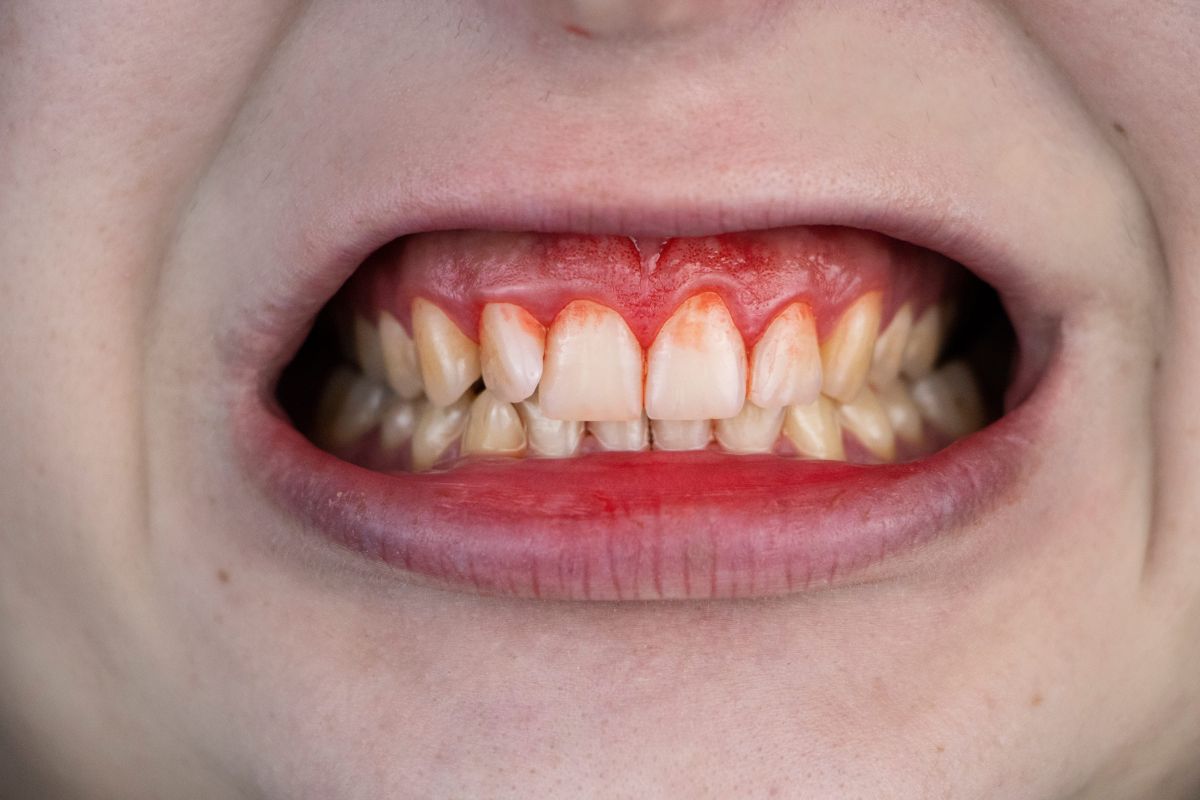
Gingivitis is inflammation of the gums caused by plaque buildup along the gum line. Plaque is a sticky film of bacteria that forms on your teeth constantly, and when it accumulates, it irritates and inflames your gum tissue. This inflammation is your body’s immune response, which makes your gums’ blood vessels more fragile and prone to bleeding.

What makes gingivitis particularly insidious is that many people don’t realize they have it until they notice bleeding. The early stages are often asymptomatic aside from the bleeding itself. However, the positive aspect of gingivitis is that it’s entirely reversible through improved oral hygiene and professional cleaning. Unlike periodontitis, which is a more advanced form of gum disease, gingivitis hasn’t yet affected the underlying bone structure.

Reason 2: Inadequate Oral Hygiene Habits

If you’re not brushing twice daily or flossing regularly, plaque and tartar accumulate on your teeth and along the gum line. This buildup creates an environment where bacteria thrive, leading directly to gum inflammation and bleeding. Many people brush their teeth but skip flossing, unaware that floss reaches approximately 40% of tooth surfaces that your toothbrush cannot reach.

Additionally, the technique matters. Aggressive brushing can actually irritate gums and cause bleeding, while gentle, consistent brushing with a soft-bristled toothbrush is ideal. The same applies to flossing—it should be done gently to avoid traumatizing tender gum tissue.

Reason 3: Hormonal Changes and Pregnancy

Pregnancy causes significant hormonal fluctuations that increase blood flow to the gums and make gum tissue more sensitive to plaque and bacteria. This condition, often called “pregnancy gingivitis” or “pregnancy tumors,” can cause severe gum bleeding and swelling even in women who maintain excellent oral hygiene.

Beyond pregnancy, hormonal changes during menstruation, menopause, and while taking birth control pills can increase gum sensitivity and bleeding. These hormonal shifts alter how your immune system responds to plaque, making your gums more susceptible to inflammation. Understanding this connection is important because it means increased gum bleeding during these times doesn’t necessarily indicate poor oral care—it’s a physiological response.

Reason 4: Nutritional Deficiencies

Your gums require specific nutrients to maintain strength and resist infection. Vitamin C deficiency, for example, compromises collagen production, which is essential for maintaining healthy gum tissue. Similarly, deficiencies in vitamin K, calcium, and folate can contribute to gum weakness and bleeding.

If you’re not consuming adequate fruits, vegetables, and nutrient-rich foods, your gums may suffer the consequences. This is particularly important for individuals with restricted diets or those who struggle with absorption issues. A diet rich in antioxidants and anti-inflammatory nutrients supports gum health naturally.

Reason 5: Certain Medications and Medical Conditions

Approximately 300 medications can contribute to gum disease as a side effect. Blood thinners like warfarin or aspirin therapy increase bleeding tendencies, including from the gums. Similarly, medications that reduce saliva production create an environment where bacteria flourish, leading to increased plaque formation and gum inflammation.

Medical conditions such as diabetes, leukemia, and HIV can also compromise your immune system’s ability to fight gum disease. Diabetes deserves special mention because the elevated blood sugar levels in diabetic individuals impair the body’s ability to fight infections, including those affecting gum tissue. This creates a bidirectional relationship: gum disease worsens diabetes control, and diabetes worsens gum disease.

Reason 6: Smoking and Tobacco Use

Smoking is one of the most significant risk factors for gum disease. Tobacco use compromises your immune system’s response to bacterial infection and reduces blood flow to the gums. This combination makes gums more vulnerable to infection and slower to heal. 

Additionally, smokers often have less obvious gum bleeding because nicotine constricts blood vessels, masking the problem, which means many smokers with severe gum disease don’t realize how serious their condition is until significant damage has occurred. The chemicals in tobacco also directly irritate gum tissue and interfere with the attachment of the gums to teeth, accelerating gum recession and bone loss.

Reason 7: Aggressive Brushing and Flossing Techniques

While maintaining good oral hygiene is essential, overzealous brushing or flossing can actually cause gum bleeding. Using a hard-bristled toothbrush, pressing too firmly, or flossing violently can traumatize gum tissue and cause temporary bleeding. This is particularly true if your gums are already sensitive or inflamed.

Think of it like caring for delicate skin—gentleness combined with consistency produces better results than aggressive treatment. Your gums are sensitive tissue that responds better to regular, gentle care than to sporadic, intense efforts.

Schedule a consultation with Love Dentistry today and let our experienced team help you achieve the healthy gums and beautiful smile you deserve.

How to Fix Bleeding Gums: Actionable Solutions

Once you understand why your gums are bleeding, it’s time to take action. Here are evidence-based strategies to restore gum health:

  • Master the proper brushing technique by using a soft-bristled toothbrush and gentle, circular motions, spending at least two minutes brushing
  • Floss daily using gentle motions, gliding the floss between teeth rather than snapping it forcefully into place
  • Rinse with an antimicrobial mouthwash specifically designed for gum health to reduce bacterial populations
  • Schedule a professional cleaning to remove tartar that cannot be removed through home care alone
  • Increase your intake of vitamin C, vitamin K, calcium, and antioxidant-rich foods to support gum tissue health
  • Stay hydrated to maintain adequate saliva production, which naturally protects against bacterial growth
  • Quit smoking or tobacco use to immediately improve your immune system’s ability to fight gum infection
  • If you’re taking medications that reduce saliva, discuss alternative options with your physician

When to Seek Professional Care

While home care is crucial, certain situations require professional dental intervention. If your gums continue bleeding after two weeks of improved oral hygiene, schedule an appointment immediately. Persistent bleeding can indicate more advanced gum disease, oral cancer, or other serious conditions requiring professional evaluation.

Your dentist at Love Dentistry in Bellingham, WA, can diagnose the specific cause of your gum bleeding and develop a personalized treatment plan. We use advanced diagnostic tools to assess gum health and identify problems that aren’t visible to the naked eye. 

Don’t let bleeding gums become a chronic issue—professional intervention at this stage can prevent years of future dental problems.

Why Choose Love Dentistry for Your Gum Health

At Love Dentistry in Bellingham, Washington, we understand that gum health is the foundation of overall oral health. Our experienced dental team is dedicated not only to treating gum disease but also to educating our patients about prevention. Informed patients make better decisions about their oral care.

When you visit Love Dentistry, you’ll receive a comprehensive gum evaluation that goes beyond a basic cleaning. We assess your specific risk factors, review your medications and medical history, and develop a personalized treatment plan addressing your unique needs. Our gentle approach to periodontal therapy ensures that even patients with sensitive gums feel comfortable during treatment.

We’re committed to using the latest diagnostic technology and evidence-based treatment protocols. Whether you’re dealing with early-stage gingivitis or more advanced gum disease, our team has the expertise and compassion to guide you back to gum health. We also recognize that gum disease prevention is cost-effective—treating early-stage gum disease is significantly less expensive and less invasive than addressing advanced periodontitis.

Beyond clinical care, we invest time in patient education. We’ll show you exactly how to brush and floss properly, discuss the role of nutrition in gum health, and help you understand how any medical conditions or medications might be affecting your gums. This personalized attention is what distinguishes Love Dentistry from other dental practices in Bellingham.

Conclusion

Bleeding gums are your mouth’s way of signaling that something needs attention. Whether the cause is simple—like inadequate flossing or aggressive brushing—or more complex —like hormonal changes or underlying medical conditions —the important thing is recognizing the problem and taking action. The seven reasons we’ve outlined represent the vast majority of gum bleeding cases, and most are entirely manageable with the right approach.

The path to healthier gums starts with consistent, gentle home care combined with professional support. The small time and effort you invest now in improving your oral hygiene and addressing gum health will pay dividends throughout your life, in the form of fewer dental problems, lower treatment costs, and better overall health.

Don’t let bleeding gums become a chronic problem. Learn the Reasons Why My Gums Bleed and contact Love Dentistry in Bellingham, WA, today to schedule your gum health evaluation and take the first step toward a healthier smile. Your gums—and your overall health—will thank you.

Frequently Asked Questions About Bleeding Gums

Q: Is some bleeding normal when I floss? A: Occasional light bleeding when you first start a consistent flossing routine is not uncommon as your gums adjust and inflammation decreases. However, if bleeding persists after several weeks or is heavy, this indicates gum disease and warrants professional evaluation.

Q: Can stress cause bleeding gums? A: Yes, chronic stress suppresses immune function, making your gums more vulnerable to bacterial infection and inflammation. Managing stress through exercise, meditation, and adequate sleep supports gum health.

Q: How long does it take to heal bleeding gums? A: With consistent home care and professional treatment, early-stage gingivitis typically improves within two to four weeks. More advanced gum disease may require several months of treatment and consistent home care.

Q: Should I avoid brushing areas that bleed? A: No, avoiding bleeding areas actually worsens the problem by allowing bacteria to accumulate. Continue gentle brushing and flossing in these areas—this actually helps healing by removing the bacterial biofilm causing inflammation.

Q: Can I reverse gum disease at home? A: Early-stage gingivitis can often be reversed with improved home care alone. However, more advanced gum disease requires professional intervention, including scaling and root planing or other treatments. This is why professional evaluation is important.
What to Do After Tooth Extraction: A Complete Recovery Guide

Dentist in Bellingham, WA

Tooth extraction can feel overwhelming—whether it’s due to severe decay, periodontal disease, or orthodontic needs. But here’s the good news: with proper aftercare, most patients recover smoothly and comfortably within 7-10 days. The key to a successful recovery lies in understanding what to expect and following evidence-based guidelines that actually work.

At Love Dentistry in Bellingham, WA, we’ve guided thousands of patients through their extraction recovery with confidence and minimal complications. This comprehensive guide will walk you through everything you need to know to ensure your mouth heals properly and gets you back to normal as quickly as possible.

What to Do Immediately After Your Extraction

  • Keep the gauze in place for the right amount of time: Bite down on the gauze pad your dentist provided for 30-45 minutes to allow the blood clot to form properly. Some bleeding is normal, and you may notice a slight taste of blood in your saliva. If bleeding continues heavily after an hour, contact your dental office immediately.
  • Apply ice during the first 6 hours: Use an ice pack wrapped in a thin cloth and apply it to the outside of your cheek for 15 minutes on, 15 minutes off. This reduces swelling and numbs the area naturally. Think of ice as your best friend during the first day—it significantly impacts how much swelling you’ll experience.
  • Rest completely for the remainder of the day: Your body has just been through a surgical procedure. Avoid strenuous activities, exercise, bending, or heavy lifting for at least 3-5 days. Increased blood pressure from activity can cause bleeding and swelling to worsen.
  • Keep your head elevated. Whether you’re sitting or sleeping, keep your head elevated above your heart. Use extra pillows to prop yourself up—this simple step dramatically reduces post-extraction swelling and makes you feel more comfortable.
  • Avoid touching or rinsing the extraction site: Resist the urge to check on your extraction site with your tongue or fingers. The blood clot is delicate, and disturbing it can lead to a painful condition called dry socket. Don’t use a straw, spit forcefully, or rinse your mouth for at least 5-7 days.

Nutrition: Eating Smart During Recovery

You don’t need to starve yourself during recovery—but you do need to be strategic about what you eat. Avoid hot foods for at least 5-7 days, as heat increases blood flow to the extraction site and can cause bleeding.

  • Soft, cool foods should be your staple: Smoothies (lukewarm, not hot), Greek yogurt, pudding, mashed potatoes, and ice cream are excellent choices. These foods provide nutrition without requiring chewing near the extraction site.
  • Avoid hard, crunchy, or sticky foods: No chips, nuts, popcorn, caramel, or anything that requires significant chewing. These foods can dislodge your blood clot or irritate the healing tissue.
  • Stay hydrated throughout your recovery: Drink plenty of water, but avoid using straws for at least one week. The suction from a straw can disturb your blood clot.
  • Protein supports healing: Include soft protein sources like scrambled eggs, cottage cheese, and protein smoothies. Your body needs protein to build new tissue and heal effectively.

What to Do After Tooth Extraction: Days 2-10

  • Continue ice therapy through day 2: After day 2, switch to heat therapy if swelling persists. A warm compress applied for 15 minutes at a time can improve circulation and ease discomfort.
  • Gentle oral hygiene is essential: After 24 hours, you can carefully brush your other teeth, but avoid the extraction site. Starting around day 3-4, you can very gently brush near the area with an extra-soft toothbrush, being extremely careful not to disturb the healing tissue.
  • Sleep on your side or back: Avoid sleeping on the side of your mouth where the extraction was performed. Sleeping on your back with your head elevated continues to minimize swelling and keeps you comfortable.
  • Return to normal activities gradually: Light activities like short walks are fine after 3-4 days, but avoid intense exercise, gym time, or sports for at least 5-7 days. Your extraction site is still healing, and an increased heart rate can cause bleeding.
  • Watch for warning signs: Increasing pain after 3-4 days, persistent bleeding, signs of infection (fever, pus, bad taste), or difficulty swallowing warrant an immediate call to your dentist.

Contact Love Dentistry in Bellingham, WA today to schedule your consultation. We’ll discuss your options, answer all your questions, and ensure you feel confident moving forward with your dental health.

Recovery Timeline: What to Expect Week by Week

  • Days 1-3: Maximum swelling, significant discomfort, and slight bleeding are normal. Follow all ice and rest recommendations. Take pain medication as directed and eat only soft foods.
  • Days 4-7: Swelling begins to decrease noticeably. Discomfort lessens significantly for most patients. You can gradually introduce slightly more textured soft foods. Continue avoiding strenuous activity.
  • Days 8-14: Most patients feel nearly normal by this point. Minor swelling may remain, but pain is typically minimal. You can return to normal activities, including light exercise. Continue being gentle with the extraction site.
  • Weeks 3-6: The extraction site continues healing beneath the surface. The hole gradually fills with bone. You can resume all normal activities and eating habits.
  • Months 2-6: Complete bone healing occurs, though it’s not visible to the naked eye. This is why we often wait several months before placing dental implants—we need adequate bone support for long-term success.

Dry Socket: Prevention and Recognition

Dry socket (alveolar osteitis) occurs in about 2-5% of extractions and develops when the blood clot becomes dislodged. The exposed bone becomes extremely painful, typically developing 3-4 days after extraction.

  • Prevent dry socket by: Avoiding straws and forceful rinsing, not smoking or using tobacco products, following all post-operative instructions, and being gentle when brushing near the site.
  • Recognize dry socket symptoms: Severe pain that worsens several days after extraction, visible bone in the socket, bad taste or odor, and possibly swollen lymph nodes.

If you suspect a dry socket, contact your dentist immediately. It’s treatable with special dressings and medications, but it’s far better to prevent it through careful aftercare.

Why Choose Love Dentistry

At Love Dentistry in Bellingham, WA, we understand that extractions are often a source of anxiety for our patients. That’s why we’ve built our practice around compassionate care, cutting-edge techniques, and comprehensive aftercare support.

Our team has performed countless extractions using the latest atraumatic techniques, resulting in minimal tissue damage and faster healing. We provide detailed post-operative instructions tailored to your specific situation, and we’re always available by phone if you have questions during your recovery.

Beyond extraction, we focus on tooth preservation and prevention. Our goal is to help you keep your natural teeth whenever possible through advanced preventive care, early disease detection, and conservative treatment approaches. When extraction is necessary, we ensure it’s done with precision and followed by excellent aftercare guidance.

We also work with you on replacement options—whether that’s a dental implant, bridge, or partial denture—so you can restore your smile and function completely. Your complete oral health and satisfaction are our top priorities.

Conclusion

Recovery after tooth extraction doesn’t have to be complicated or uncomfortable. By following this comprehensive guide—keeping your gauze in place, using ice strategically, maintaining proper nutrition, avoiding physical activity, and protecting your blood clot—you’ll heal faster and experience fewer complications.

Remember that every patient heals at their own pace. Some people feel back to normal within a week, while others need slightly longer. The most important thing is to follow your dentist’s specific instructions and listen to your body.

At Love Dentistry in Bellingham, WA, we’re here to support you throughout your entire recovery journey. If you have any concerns, questions, or complications during your healing, don’t hesitate to reach out. We’re committed to ensuring you recover comfortably and completely.

Schedule your appointment with Love Dentistry today and experience professional extraction care backed by compassionate, expert guidance. Our team will be with you every step of the way—from the procedure through complete healing.

FAQs About Tooth Extraction Recovery

Q: When can I drink hot beverages after a tooth extraction? 

A: Wait at least 5-7 days before consuming hot drinks. Heat increases blood flow to the extraction site and can cause bleeding. Stick with lukewarm or cool beverages during the first week of recovery.

Q: Is it normal to have a bad taste or odor coming from the extraction site? 

A: A slight metallic taste is normal during the first few days. However, a persistent bad taste or foul odor after a week may indicate infection or dry socket. Contact your dentist if this occurs.

Q: When can I resume flossing around the extraction site? 

A: Wait at least 5-7 days before resuming full oral hygiene. You can begin very gentle rinsing after 24 hours and carefully brush nearby teeth after 3-4 days, but avoid the extraction site completely until it’s well on its way to healing.

Q: How much swelling is normal after tooth extraction? 

A: Some swelling is expected and peaks around 48-72 hours after extraction. If swelling is severe, doesn’t improve by day 3, or worsens after improving, contact your dentist. Excessive swelling can indicate infection.

Q: What should I do if my extraction site starts bleeding again days later? 

A: Bite down on fresh gauze for 30 minutes with firm but not painful pressure. If bleeding persists for more than an hour or recurs, contact your dentist. Some slight oozing is normal, but heavy bleeding isn’t.

What Causes Tooth Sensitivity and How to Stop It: A Complete Guide from Love Dentistry

Dentist in Bellingham, WA

Tooth sensitivity is more than just an uncomfortable sensation when you bite into your favorite ice cream or sip hot coffee. For millions of people, it’s a persistent problem that interferes with eating, drinking, and enjoying everyday activities. If you’re experiencing sharp, shooting pain in your teeth, you’re not alone—and the good news is that there are effective solutions available.

At Love Dentistry in Bellingham, WA, we’ve helped countless patients overcome tooth sensitivity and reclaim their quality of life. In this comprehensive guide, we’ll explore what causes tooth sensitivity, why it happens, and most importantly, how you can stop it for good.

Understanding What Causes Tooth Sensitivity

Tooth sensitivity develops when the underlying layer of your tooth, called dentin, becomes exposed. Think of your tooth structure like a tree: the outer bark is your enamel (the hard protective layer), and beneath it is the softer dentin. When dentin is exposed, the tiny tubules within it allow external stimuli—like temperature, pressure, or acids—to reach the nerve of your tooth, causing that sharp, unpleasant sensation.

Unlike the outer enamel, dentin contains microscopic pores that connect directly to the nerve center of your tooth. When these pores are exposed, even simple activities become uncomfortable. This is why tooth sensitivity often feels worse in certain teeth and can develop suddenly or gradually over time.

The most common causes of exposed dentin include:

  • Enamel erosion from acidic foods and beverages
  • Aggressive brushing that wears away enamel and gums
  • Gum recession, which exposes the tooth root
  • Tooth grinding or clenching (bruxism)
  • Cracked or chipped teeth
  • Cavities or decay
  • Worn dental fillings

Understanding the root cause of your sensitivity is the first step toward effective treatment.

What Causes Tooth Sensitivity: The Detailed Breakdown

Enamel Erosion and Acid Attack

One of the primary culprits behind tooth sensitivity is enamel erosion. Your tooth enamel is the hardest substance in your body, but it’s not invincible. Constant exposure to acidic substances gradually dissolves this protective layer.

Acidic foods and drinks are everywhere in our diets—citrus fruits, soda, energy drinks, wine, and even flavored yogurts contain acids that attack your enamel. When you consume these items frequently, your enamel doesn’t have adequate time to remineralize, and erosion accelerates. Over time, as enamel thins, the sensitive dentin underneath becomes increasingly exposed.

The process is often accelerated by how you consume acidic foods. Sipping acidic beverages throughout the day is particularly damaging because it constantly bathes your teeth in acid. Additionally, brushing your teeth immediately after consuming acidic foods can further damage softened enamel.

Gum Disease and Recession

Gum recession is another major cause of tooth sensitivity. Your gums naturally protect your tooth roots, which are softer than the crown and naturally sensitive. When gums recede due to gum disease, overly aggressive brushing, or aging, the roots become exposed.

Unlike the crowned portion of your tooth, the root has no enamel covering—only a softer layer called cementum. This makes exposed roots significantly more sensitive. Gum disease causes inflammation and infection that can lead to progressive recession and, if left untreated, result in serious consequences for your oral health.

Grinding and Clenching

Bruxism, or teeth grinding, is surprisingly common and often goes unnoticed, especially if you grind at night. The constant friction and pressure from grinding wear away enamel over time and can also lead to tooth fractures, further exposing sensitive dentin.

If you wake up with jaw pain, notice your teeth are flatter than they used to be, or your partner mentions you grind at night, this could be contributing to your sensitivity.

Dental Procedures and Damage

Sometimes tooth sensitivity develops after dental work. Root planing, whitening treatments, and fillings can temporarily increase sensitivity as the tooth recovers. However, this sensitivity typically subsides within a few weeks.

Cracked or chipped teeth, whether from trauma or biting down on hard objects, expose the dentin and create pathways for bacteria and irritants to reach the nerve.

Don’t let tooth sensitivity control your life anymore. Contact Love Dentistry today to schedule a consultation and discover how we can help restore your comfort and confidence.

Proven Strategies to Eliminate Tooth Sensitivity

Use a Desensitizing Toothpaste

Desensitizing toothpastes work by blocking the tubules in the exposed dentin, preventing stimuli from reaching the nerve. These products contain compounds like potassium nitrate or strontium chloride that effectively reduce sensitivity.

For best results, apply the toothpaste directly to the sensitive area and let it sit for a minute before rinsing. Use it consistently—you may notice improvement within three to five applications.

Improve Your Brushing Technique

Gentle brushing is essential for preventing further enamel damage and gum recession. Use a soft-bristled toothbrush and employ gentle, circular motions rather than aggressive scrubbing. Harsh brushing can accelerate enamel wear and push gums back, worsening sensitivity.

Replace your toothbrush every 3 months and avoid brushing immediately after eating acidic foods or consuming an acidic beverage. Wait at least 30 minutes to allow your enamel to remineralize.

Adjust Your Diet

Limiting acidic foods and beverages is crucial for protecting your enamel. This doesn’t mean you must eliminate them; rather, consume them mindfully.

  • Drink acidic beverages through a straw to minimize contact with teeth
  • Rinse your mouth with water after consuming acidic items
  • Wait 30 minutes before brushing after acidic exposure
  • Choose water as your primary beverage
  • Limit citrus fruits and eat them with meals rather than as standalone snacks

Use Fluoride Products

Fluoride strengthens enamel and helps prevent sensitivity. Ask your dentist about professional fluoride treatments, or use a fluoride mouth rinse at home. Fluoride strengthens your enamel, making it more resistant to acid attacks.

Treat Underlying Gum Disease

If gum disease is causing your sensitivity, professional treatment is essential. Professional cleaning can remove tartar and plaque buildup, and in some cases, antibiotic therapy may be recommended. Once gum disease is controlled, sensitivity often improves as gums heal.

Consider Professional Treatments

For severe sensitivity that doesn’t respond to home care, professional treatments are available. Dental bonding can cover exposed root surfaces, creating a barrier between the dentin and external irritants. Gum grafting may be recommended if a significant recession has occurred.

Why Choose Love Dentistry

At Love Dentistry in Bellingham, WA, we understand how frustrating tooth sensitivity can be. We’ve built our practice on providing compassionate, comprehensive care tailored to each patient’s unique needs.

When you visit our practice, you’ll experience dentistry focused on listening to your concerns and developing personalized treatment plans. Our team stays up to date with the latest desensitizing techniques and materials, ensuring you receive the most effective solutions available.

We offer advanced diagnostic tools that help us identify the exact cause of your sensitivity, allowing us to target treatment precisely. Whether you need professional fluoride applications, gum disease treatment, or restorative procedures, we provide comprehensive solutions in a comfortable, welcoming environment.

Prevention Tips for Long-Term Success

Preventing tooth sensitivity is always easier than treating it. Implement these strategies to protect your smile:

  • Maintain a consistent oral hygiene routine with gentle brushing and daily flossing
  • Use fluoride toothpaste and mouthwash
  • Limit acidic foods and drinks
  • Address teeth grinding with a custom nightguard
  • Visit your dentist regularly for checkups and professional cleanings

Conclusion

Tooth sensitivity doesn’t have to be permanent. With the right approach—combining home care strategies, dietary adjustments, and professional treatment when needed—you can eliminate this uncomfortable condition and enjoy all your favorite foods and drinks again.

The journey to a sensitivity-free smile begins with understanding what’s causing your discomfort and taking action. Whether you implement home remedies or seek professional help, the important thing is that you’re addressing the problem.

If you’re ready to take control of your tooth sensitivity, Love Dentistry in Bellingham, WA, is here to help. Our experienced team will work with you to identify the cause and develop an effective treatment plan tailored to your specific needs. Schedule your appointment today and take the first step toward lasting relief and a healthier, more comfortable smile.

Don’t wait for sensitivity to worsen. Contact Love Dentistry now and discover the difference professional, compassionate care can make in your oral health and overall quality of life.

Frequently Asked Questions About Tooth Sensitivity

Q: Is tooth sensitivity ever a sign of a serious problem?

A: While most sensitivity is manageable, persistent sensitivity can indicate cavities, gum disease, or cracked teeth. If your sensitivity is localized to a single tooth, it’s important to have it professionally examined. We recommend scheduling an appointment at Love Dentistry to rule out serious underlying issues.

Q: Can tooth sensitivity go away on its own?

A: In some cases, temporary sensitivity (like after a whitening treatment) resolves independently. However, chronic sensitivity from enamel erosion or gum recession typically requires intervention. The sooner you address it, the better your outcomes will be.

Q: How long does it take for desensitizing products to work?

A: Most people experience noticeable improvement within one to two weeks of consistent use, though some relief can occur within days. Professional treatments often provide faster results than over-the-counter products.

Q: Can I reverse enamel erosion?

A: Unfortunately, enamel doesn’t regenerate once it’s lost. However, you can stop further erosion through dietary changes and proper oral care. Treatments like dental bonding or veneers can cover damaged areas and restore function and appearance.

Q: Will a nightguard help with sensitivity caused by grinding?

A: Yes, a custom nightguard from Love Dentistry can protect your teeth from grinding damage and reduce related sensitivity. It also decreases jaw pain and helps prevent future damage to your smile.

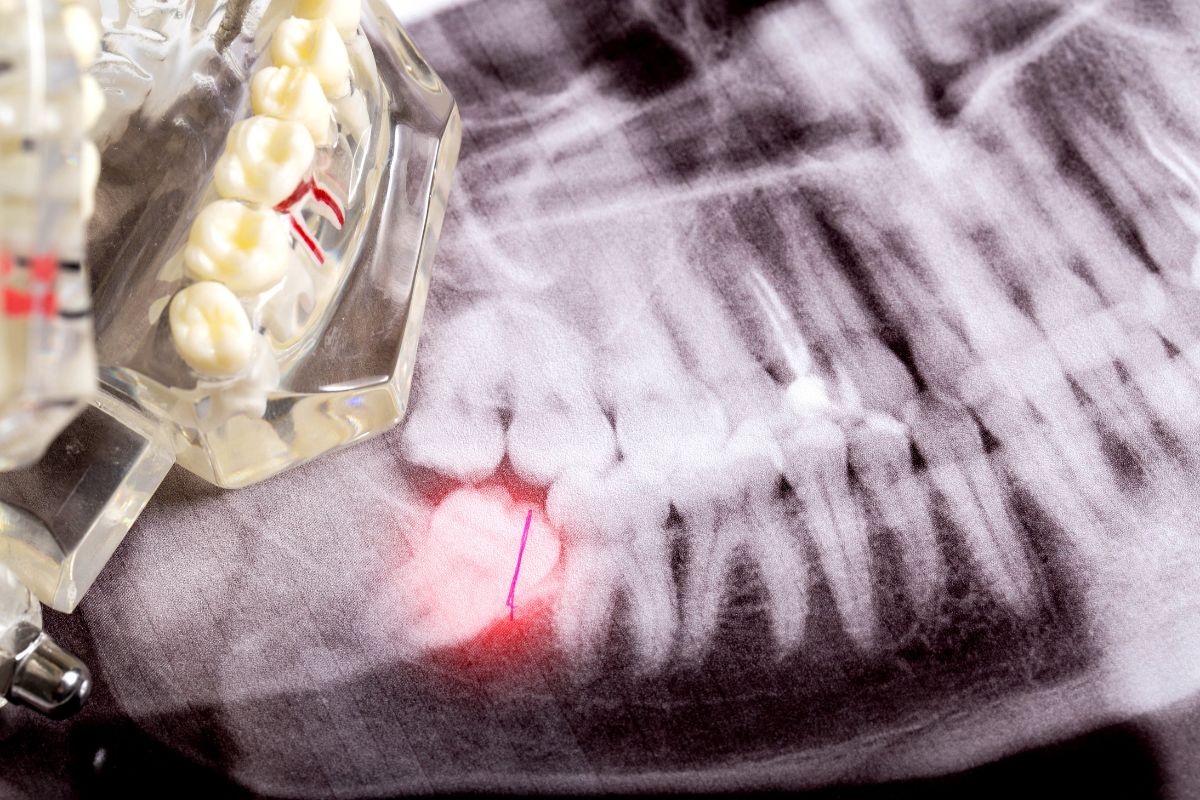
5 Steps in the Wisdom Teeth Removal Process

Dentist in Bellingham, WA

Wisdom tooth removal can feel intimidating if you’ve never had the procedure, but understanding what to expect makes the experience far less stressful. If you’re in Bellingham, WA, and facing wisdom tooth extraction, knowing the exact steps involved will help you mentally and physically prepare. 

At Love Dentistry, we’ve guided thousands of patients through this common procedure with compassion and expertise. This comprehensive guide walks you through everything you need to know about the wisdom teeth removal process.

Understanding Wisdom Teeth Before Removal

Before we dive into the five-step process, it’s important to understand why wisdom teeth removal is so common. Wisdom teeth, also known as third molars, typically emerge between the ages of 17 and 25. For many people, these teeth create significant problems—they can grow at awkward angles, become impacted, crowd existing teeth, or create infection-prone pockets that trap food and bacteria.

The team at Love Dentistry in Bellingham regularly handles wisdom tooth cases because these molars often cause problems that affect overall oral health. Whether your wisdom teeth are symptomatic or your dentist recommends removal for preventive reasons, the procedure follows a well-established protocol designed for your safety and comfort.

Step 1: The Consultation and Comprehensive Evaluation

Your wisdom teeth removal journey begins long before you sit in the extraction chair. During your initial consultation at Love Dentistry, our dentists perform a thorough examination, including digital X-rays and, when necessary, 3D imaging. This diagnostic step is crucial because it reveals the exact position of your wisdom teeth, how deeply they’re impacted, and whether they’re affecting neighboring teeth or bone.

During this consultation, we discuss your medical history, current medications, and any concerns you have about the procedure. This is your opportunity to ask questions about anesthesia options, recovery time, and what to expect. We’ll also explain whether you need simple extraction or surgical removal. Simple extractions work on teeth that have fully emerged, while surgical extraction is necessary for impacted teeth that remain partially or completely below the gumline.

Step 2: Pre-Operative Preparation and Planning

Once your dentist determines that wisdom teeth removal is necessary, the pre-operative phase begins. This step involves detailed planning and patient preparation to ensure the smoothest possible procedure.

Your dentist will review pre-operative instructions with you, which typically include the following points:

  • Arrange for transportation home after your procedure, as anesthesia affects your ability to drive safely
  • Avoid eating and drinking for 6-12 hours before your appointment, depending on the type of anesthesia you’ll receive
  • Wear comfortable, loose-fitting clothing that allows easy access to your arms for blood pressure monitoring
  • Take prescribed antibiotics if recommended to prevent infection
  • Plan your recovery time—most patients need several days off work or school

During this phase, Love Dentistry also helps you understand anesthesia options. Local anesthesia keeps you awake but numb, while sedation anesthesia helps anxious patients relax. Some complex cases benefit from general anesthesia, where you sleep through the entire procedure. Your dentist will recommend the best option based on the complexity of your case and your comfort level.

Step 3: Anesthesia Administration and Comfort Measures

When you arrive for your wisdom teeth removal appointment, our team prioritizes your comfort and safety. After reviewing any last-minute questions, we’ll apply a topical numbing gel to your gum tissue. This mild anesthetic makes administering local anesthesia virtually painless.

Once the local anesthetic takes effect (usually within a few minutes), you’ll feel pressure and vibration in your mouth, but not pain. If you’ve opted for sedation, you’ll receive medication through an IV line that helps you relax while remaining conscious. Some patients describe feeling like they’re floating or completely detached from what’s happening—and when they “wake up,” the extraction is already complete.

Throughout this step, our dental team monitors your vital signs continuously using modern equipment. We track your heart rate, blood pressure, and oxygen levels to ensure your safety. This constant monitoring is especially important during surgical extractions that may take longer than simple removals.

We don’t just extract teeth—we guide you toward better health. Contact Love Dentistry today to schedule your wisdom teeth consultation and take the first step toward a healthier smile.

Step 4: Extraction and Surgical Management

The actual extraction process varies depending on your specific situation. For fully erupted wisdom teeth, the dentist carefully loosens the tooth using specialized instruments called elevators, then removes it with forceps. The procedure itself typically takes only a few minutes per tooth, though the entire appointment may last 30-60 minutes depending on complexity.

For impacted wisdom teeth, the surgical process is more involved. Your dentist may need to make a small incision in your gum tissue and potentially remove a small amount of bone to access the tooth. In some cases, the tooth is divided into smaller pieces for easier removal. While this sounds intense, remember that you’re completely numb—you’ll only feel pressure and hear the sounds of instruments, not experience pain.

During this step, your dentist carefully preserves as much bone and tissue as possible, which promotes faster healing. Once the wisdom teeth are removed, the empty sockets are carefully cleaned to remove any remaining tissue or debris. Some dentists place dissolvable stitches to help the gums heal properly.

Step 5: Post-Operative Recovery and Aftercare

Recovery is your final step, and it’s absolutely critical for successful healing. Immediately after extraction, gauze pads are placed in the sockets to control bleeding. You’ll bite down on these for about 30-45 minutes, changing them every 10 minutes. Most bleeding stops within a few hours, though some oozing may continue for 24 hours.

Your post-operative care during the first week includes several important guidelines:

  • Take prescribed pain medications exactly as directed to manage discomfort effectively
  • Apply ice packs to your cheeks for the first 24-48 hours to reduce swelling (20 minutes on, 20 minutes off)
  • Sleep with your head elevated on two pillows to minimize swelling and promote healing
  • Stick to soft foods like yogurt, smoothies, mashed potatoes, and soup for several days
  • Avoid drinking through straws, smoking, and using spitting motions for at least a week

Most swelling peaks around day 2-3 and gradually improves over the following weeks. You can typically return to normal activities after 3-5 days, though strenuous exercise should wait until day 7 or later. Complete bone healing takes several months, but you’ll feel significantly better within the first week.

Why Choose Love Dentistry for Your Wisdom Teeth Removal in Bellingham, WA?

Love Dentistry has earned a reputation as Bellingham’s trusted provider of wisdom tooth extractions. Here’s what sets us apart:

Our dentists combine clinical expertise with genuine compassion. We understand that wisdom teeth removal is a significant procedure, and we take your comfort seriously at every stage. From your initial consultation through your final follow-up appointment, you’re treated like family, not just another patient.

We use technology that minimizes trauma to your mouth and speeds healing. Our 3D imaging allows us to plan extractions with precision, and our modern anesthesia protocols ensure you’re safe and comfortable throughout. We also maintain a calm, professional environment designed to ease patient anxiety.

Conclusion

The wisdom teeth removal process, while potentially intimidating at first glance, is a well-established procedure performed safely thousands of times each year. By understanding the five key steps—consultation, preparation, anesthesia, extraction, and recovery—you can approach your procedure with confidence rather than fear.

At Love Dentistry in Bellingham, WA, we’ve made wisdom teeth removal as comfortable and straightforward as possible for our patients. Our experienced team handles everything from simple extractions to complex surgical cases with skill and care. If you’re experiencing wisdom teeth problems or your dentist has recommended removal, don’t wait. The sooner you address the issue, the sooner you’ll experience relief and better oral health.

Ready to schedule your wisdom teeth removal? Call Love Dentistry in Bellingham today and let’s get you on the path to optimal oral health. We’re here to answer your questions and provide the exceptional care you deserve.

Frequently Asked Questions About Wisdom Teeth Removal

Q: How long does the wisdom teeth removal procedure take? 

A: Most wisdom teeth extractions take between 30 and 60 minutes, depending on the complexity of your case. Simple extractions of fully erupted teeth may take just 20 minutes, while surgical removal of impacted teeth can take up to 90 minutes.

Q: When can I eat normal food after wisdom teeth removal? 

A: You should stick to soft foods for at least 3-5 days after extraction. Most patients can gradually return to normal eating by days 7-10, though you should avoid hot and hard foods and anything that requires vigorous chewing for at least a week.

Q: Will I be asleep during my wisdom teeth removal?

A: It depends on your preference and your dentist’s recommendation. You can choose local anesthesia with conscious sedation (where you’re awake but relaxed) or general anesthesia (where you sleep). Love Dentistry offers all options and helps you choose what’s best for your situation.

Q: How much pain should I expect after wisdom teeth removal? 

A: Most patients experience soreness and discomfort rather than severe pain, which is well-managed with prescribed or over-the-counter pain medications. You should take your medication before the anesthetic wears off to stay ahead of the discomfort.

Q: Is wisdom teeth removal necessary if my teeth aren’t bothering me? 

A: Not always, but many dentists recommend preventive removal if wisdom teeth are impacted, causing crowding, creating infection-prone pockets, or are at risk for decay. Your Love Dentistry dentist will discuss whether your specific situation warrants removal.

Can Veneers Fix Gaps Without Braces? Your Complete Guide to Smile Transformation

Dentist in Bellingham, WA

Are you tired of hiding your smile because of gaps between your teeth? You’re not alone. Many people struggle with diastema—the clinical term for space between teeth—and feel self-conscious about their appearance. 

The good news? You don’t necessarily need years of braces to achieve the smile you’ve always wanted. Modern cosmetic dentistry offers faster, often more appealing alternatives, and veneers have become increasingly popular for closing gaps and creating picture-perfect smiles.

At Love Dentistry in Bellingham, WA, we help patients transform their smiles in ways that work with their lifestyle and goals. If you’ve been wondering whether veneers could be your answer to gaps in your teeth, this comprehensive guide will help you understand your options and why many patients choose this route.

Understanding Dental Veneers: What They Are and How They Work

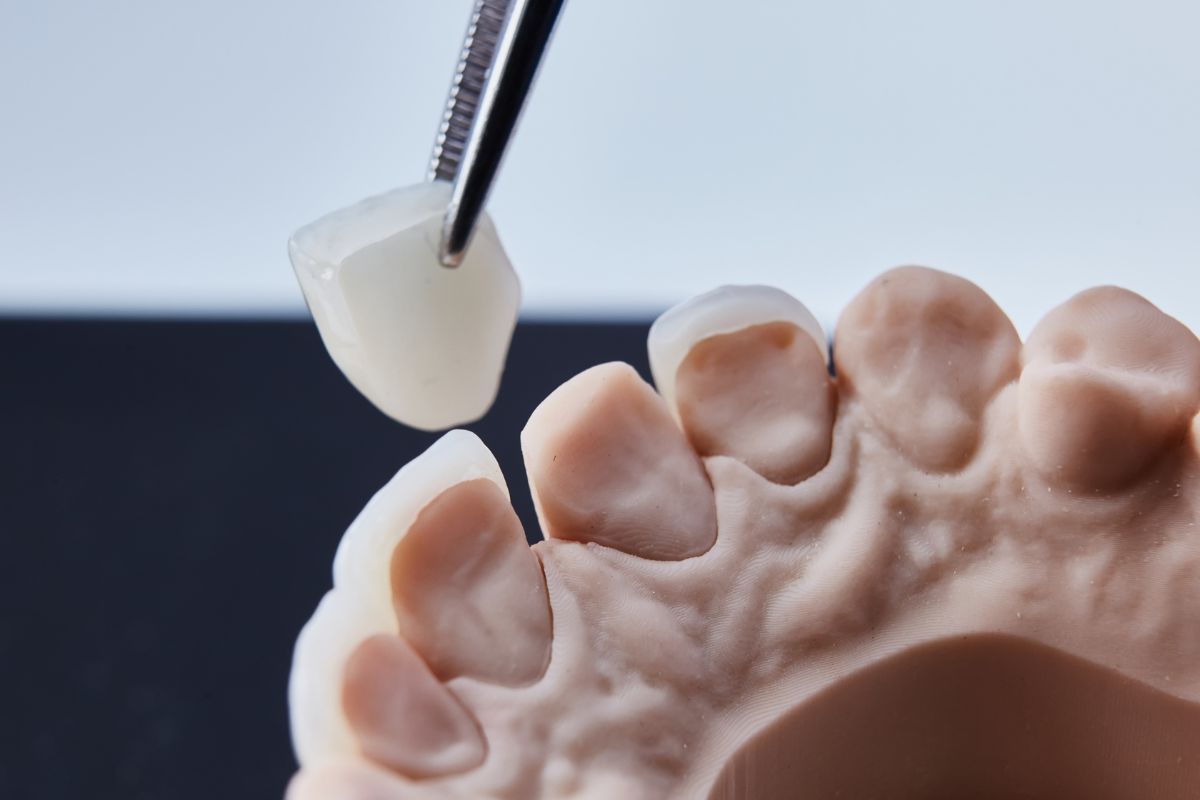
Dental veneers are thin, custom-made shells crafted from porcelain or composite resin that bond to the front surface of your teeth. Think of them as a cosmetic upgrade that covers imperfections while preserving your natural tooth structure. These shells are typically about the thickness of a contact lens, yet they’re incredibly durable and can completely transform your smile.

Porcelain veneers are the most popular choice among both cosmetic dentists and patients. They’re stain-resistant, mimic natural tooth translucency beautifully, and can last 10-15 years or longer with proper care. Composite veneers offer a more affordable alternative and can be applied in a single visit, though they require more maintenance and don’t last quite as long.

The beauty of veneers extends beyond gap closure. They can also correct discoloration, reshape teeth, adjust bite alignment cosmetically, and cover minor chips or cracks. This makes them a versatile solution for anyone seeking a complete smile makeover.

Can Veneers Fix Gaps Without Braces? The Answer You’ve Been Waiting For

Yes, veneers can absolutely fix gaps between your teeth without the need for braces. This is one of the most significant advantages they offer compared to traditional orthodontic treatment.

Here’s how it works: Your dentist designs custom veneers that are slightly wider than your natural teeth. When bonded to your teeth, they instantly close gaps. Instead of waiting months or years for braces to shift your teeth gradually, you can walk out of our Bellingham office with a completely transformed smile in just a few appointments.

This approach is particularly effective for small to moderate gaps. If you have a gap of 2-3mm between your front teeth, veneers create an elegant solution that looks natural and feels comfortable. The process is minimally invasive, reversible (unlike some permanent cosmetic procedures), and gives you immediate results.

The psychological impact of this fast transformation cannot be overstated. Patients often report increased confidence and improved quality of life after just weeks—not years—of treatment.

How Veneers Compare to Braces for Gap Closure

While both veneers and braces can close gaps, they work in fundamentally different ways, and each has distinct advantages and limitations.

Braces involve metal brackets, wires, and gradual tooth movement over 18-36 months. They’re highly effective for significant orthodontic issues and can correct bite problems that go beyond cosmetic concerns. However, they’re visible, require frequent adjustments, come with dietary restrictions, and demand meticulous oral hygiene. The process is lengthy, and many adults don’t want to wear braces.

Veneers offer a completely different approach. They provide immediate results, require no lifestyle modifications, are virtually invisible once applied, and work well for cosmetic gap closure. However, they require minimal tooth preparation, and while the procedure is reversible, you’ll always need some form of restoration on those teeth. Veneers also don’t address underlying bite issues that braces might correct.

The choice between veneers and braces depends on your specific situation, timeline, and goals. For purely cosmetic gap closure with no bite concerns, veneers are often the superior choice.

The Veneer Procedure: What to Expect

Understanding the process helps remove any anxiety about getting veneers. At Love Dentistry, we keep the experience straightforward and comfortable.

  • First Consultation: During your initial visit, we discuss your smile goals, examine your teeth, and determine if veneers are right for you. We’ll take photos and discuss design options to ensure your new smile aligns with your expectations and facial features.
  • Tooth Preparation: To accommodate the veneer shells, your dentist removes a small amount of enamel from the front of your teeth—typically less than 1mm. This is usually done without anesthesia, though we can provide it if you’re sensitive to it. This step is crucial because it allows the veneers to sit flush with your natural teeth and look completely natural.
  • Temporary Veneers: While your custom veneers are being crafted in the lab, temporary veneers protect your prepared teeth and let you preview your new smile.
  • Permanent Placement: During your final appointment, we remove the temporaries and bond your custom porcelain veneers using dental cement. We ensure proper fit, bite alignment, and appearance before final curing. The entire process takes about 2-3 hours.
  • Follow-up Care: We schedule a follow-up appointment to check your adjustment and ensure everything feels perfect.

Most patients need veneers on their front four to eight teeth to achieve a balanced, natural-looking result.

Contact Love Dentistry today to schedule a consultation. During this appointment, we’ll evaluate your teeth, discuss your goals, and show you exactly what your transformed smile could look like. There’s no obligation—just an honest conversation about achieving the smile of your dreams.

The Benefits of Choosing Veneers for Your Gap Teeth

Beyond closing gaps, veneers offer numerous advantages that explain their growing popularity.

  • Speed: You achieve your new smile in weeks, not years. This rapid transformation appeals to busy professionals and anyone eager to boost their confidence quickly.
  • Aesthetics: Porcelain veneers look virtually indistinguishable from natural teeth. They capture light and translucency the same way healthy teeth do, creating a result that looks naturally beautiful rather than cosmetic.
  • Durability: Quality porcelain veneers last 10-15 years or longer with proper care. They resist staining from coffee, wine, and other pigmented foods and beverages far better than your natural tooth enamel.
  • Minimal Tooth Alteration: Unlike crowns that require significant tooth reduction, veneers involve minimal preparation, preserving your natural tooth structure.
  • Reversibility: If you ever want to remove veneers, you can, though you’ll likely need some form of restoration. This gives you flexibility.
  • Comprehensive Smile Improvement: While closing gaps, veneers simultaneously whiten, reshape, and refine your entire smile, giving you a professional, polished appearance.
  • No Lifestyle Changes: Unlike braces, veneers require no dietary modifications. You can enjoy popcorn, sticky candy, or any food you love without restrictions.

Why Choose Love Dentistry for Your Veneer Treatment in Bellingham

When it comes to cosmetic dentistry, the skill, experience, and artistic vision of your dentist make all the difference. At Love Dentistry in Bellingham, WA, we combine advanced training, meticulous attention to detail, and genuine care for our patients’ outcomes.

Our team understands that your smile is one of your most important features. We don’t approach veneers as just another procedure—we treat each case as an opportunity to transform how you feel about yourself. We invest time in understanding your vision, discussing realistic expectations, and designing veneers that complement your unique facial features and personal style.

We use only premium materials and the latest techniques to ensure your veneers look natural, feel comfortable, and last for years. Our dentists stay current with continuing education in cosmetic dentistry, ensuring you receive treatment that reflects the highest standards in the field.

Beyond our technical expertise, we prioritize patient comfort and communication. If you have questions, concerns, or want to adjust your design before final placement, we listen and adapt. Our Bellingham location serves the entire community, and we’re proud to have helped hundreds of patients achieve smile transformations they love. When you choose Love Dentistry, you’re choosing a partner invested in your long-term satisfaction and confidence.

Maintaining Your Veneers: Longevity and Care

Your veneers are a long-term investment, and proper care ensures they remain beautiful for years to come.

  • Daily care involves brushing twice daily with a non-abrasive toothpaste and flossing gently around the veneer edges. While veneers themselves are stain-resistant, the edges where they meet your tooth can accumulate plaque, so good oral hygiene is essential.
  • Avoid excessive force by not using your teeth as tools, chewing ice, or biting your nails. While veneers are durable, extreme pressure can damage them or the underlying tooth.
  • Limit staining foods and beverages if you want to maintain the whitest appearance. Coffee, red wine, and dark berries can stain the edges of veneers over time, though porcelain resists staining far better than natural enamel.
  • Regular dental checkups every six months allow us to monitor your veneers and address any issues early. Professional cleanings keep your teeth and veneers in optimal condition.
  • Avoid smoking as it can stain veneers and compromise the seal between the veneer and your tooth.

With these simple habits, your veneers will maintain their beauty and functionality for well over a decade.

Transforming Your Smile at Love Dentistry

If you’ve been self-conscious about gaps in your smile, wondering if there’s a faster alternative to braces, the answer is within reach. Veneers offer a proven, beautiful solution that delivers immediate results without disrupting your life.

At Love Dentistry in Bellingham, WA, we’re ready to help you achieve the confident, radiant smile you deserve. Our team has guided countless patients through gap closure and complete smile transformations using custom veneers. We understand what it feels like to be self-conscious about your appearance, and we’re passionate about changing that story for you.

Don’t let another day go by feeling self-conscious about gaps in your smile. Reach out to our Bellingham office today and take the first step toward a complete smile transformation. Your new smile might be just a few weeks away.

Frequently Asked Questions 

  1. Am I a good candidate for veneers?

Most people with healthy teeth and good oral hygiene are excellent candidates for veneers. They work best for minor cosmetic concerns such as gaps, discoloration, or slight shape irregularities. If you have severe decay, gum disease, or significant bite problems, we’ll discuss the best options during your consultation at Love Dentistry.

  1. Will my veneers look natural? 

Yes. Custom porcelain veneers are designed to match your natural teeth in color, shape, and translucency. A skilled cosmetic dentist ensures they look like a natural part of your smile, not artificial or obviously cosmetic.

  1. How long does the entire process take? 

From consultation to final placement typically takes 2-3 weeks. Your dentist removes enamel and places temporaries at your first appointment, and you receive permanent veneers after the lab creates them, usually 1-2 weeks later.

  1. Can veneers be removed? 

Yes, veneers can be removed by a dentist, though it’s not a simple process. However, once you’ve had veneers, you’ll typically need a permanent restoration on those teeth, as enamel removal is irreversible.

  1. How long do veneers last? 

Porcelain veneers typically last 10-15 years with proper care, while composite veneers last 5-7 years. Longevity depends on oral hygiene, diet, and how well you care for them. Some patients keep veneers for 20+ years with excellent maintenance.

How to Stop Kids from Fearing the Dentist: A Parent’s Guide

Dentist in Bellingham, WA

If your child breaks into tears at the mention of a dental appointment, you’re not alone. Dental anxiety in children is incredibly common, affecting nearly 20% of kids and often stemming from fear of the unknown, worry about pain, or previous negative experiences. As a parent in Bellingham, WA, you want your child to develop healthy dental habits early—and that begins with transforming their relationship with dental care.

The good news? With the right strategies and a supportive dental team, you can help your child overcome dental anxiety and even look forward to their appointments. This guide provides evidence-based techniques that actually work, combined with practical advice you can implement immediately.

Understanding Why Kids Fear the Dentist

Before you can address your child’s dental anxiety, it helps to understand where it comes from. Children often fear dental visits because of unfamiliar sounds, a sense of loss of control, taste, uncomfortable sensations in their mouths, or simply the unknown environment. They might also pick up on parental anxiety—if you seem nervous about your own dental visits, your child picks up on those cues.

Additionally, children have vivid imaginations. Without proper context, a dental office can feel intimidating and sterile, filled with unfamiliar instruments and people. The key is reframing this narrative.

Preparing Your Child Before the Appointment

Preparation is one of the most effective ways to reduce dental anxiety. Start by talking positively about dental visits weeks before the appointment. Describe what the dentist does in simple, non-threatening language: “The dentist is a doctor who helps keep your teeth strong and healthy.”

Use children’s books about dental visits to normalize the experience. Many libraries carry age-appropriate books that show friendly dentists and positive outcomes. Let your child ask questions and answer honestly without over-explaining scary details.

  • Schedule morning appointments when your child is well-rested and less irritable
  • Avoid using words like “shot,” “pain,” or “drill”—instead, say “cleaning,” “water spray,” or “tooth cleaner.”
  • Role-play at home by letting your child be the dentist, which gives them a sense of control

Creating a Positive Home Routine

Children who see their parents practicing good dental hygiene are more likely to embrace it themselves. Make brushing and flossing fun rather than a chore. Use a timer, play their favorite song, or create a reward system for consistent brushing.

Talk about dental visits as a celebration of taking care of their body, not a punishment for poor habits. Avoid using dental visits as a threat (“If you don’t brush, the dentist will scold you”). Instead, frame it positively: “The dentist will see how great you’ve been taking care of your teeth!”

The Day of the Appointment

On the appointment day, maintain a calm, matter-of-fact demeanor. Children are incredibly perceptive and will sense if you’re anxious about how they’ll behave. Arrive a few minutes early to let your child acclimate to the environment without feeling rushed.

In the waiting room, bring a comfort item—a stuffed animal or favorite toy can provide emotional support. Let your child know you’ll be nearby during the appointment, even if you’re in the waiting room.  Typically, the children do better when parents are in the waiting room.

If your child has specific concerns (such as the sound of the drill or the taste of toothpaste), mention them to the dental staff beforehand so they can address them proactively.

Schedule your child’s appointment at Love Dentistry today and let us help transform their dental experience. When you call us, mention this article for a complimentary consultation where we can address your specific concerns.

How to Stop Kids from Fearing the Dentist: Proven Strategies That Work

The most effective approach combines several strategies. First, ensure your child has a relationship with their dentist. Consistency matters—seeing the same dentist and hygienist helps build trust over time.

Ask the dentist to explain what they’re doing in kid-friendly language. A good pediatric dentist will narrate the process: “I’m going to spray a little water now to clean your tooth. It might feel cold and tingly.” This removes the mystery and gives your child a sense of control.

  • Let your child bring noise-canceling headphones to listen to their favorite music
  • Establish a “raise hand” signal that your child can use if they need a break
  • Schedule a tour of the office before the actual appointment to familiarize them with the space
  • Ask the dentist for a reward or certificate acknowledging their bravery

Another powerful technique is desensitization. Start with simple cleanings and check-ups before addressing more complex procedures. Each positive experience builds confidence and reduces anxiety for the next visit.

Praise effort, not just behavior. Instead of saying “You were so brave,” try “I noticed you sat still in the chair and let the dentist help you. That took courage.” This helps your child understand that managing anxiety is a skill they can develop.

Why Choose Love Dentistry

At Love Dentistry in Bellingham, WA, we understand that pediatric dental care requires more than clinical expertise—it requires patience, compassion, and a genuine commitment to your child’s comfort. Our team has extensive experience working with anxious children and uses gentle, evidence-based techniques to make every visit a positive experience.

We offer a welcoming environment specifically designed for families, with friendly staff trained in pediatric psychology. We take time to explain procedures in language kids understand, and we always involve parents in the process. Our goal isn’t just to treat teeth—it’s to build your child’s confidence in their dental health for life. 

Conclusion

Dental anxiety in children is treatable and often preventable with the right approach. By preparing your child thoughtfully, maintaining a positive attitude, and working with a compassionate dental team, you can help them overcome fear and develop lifelong good oral health habits.

The investment you make now in reducing your child’s dental anxiety pays dividends for years to come. Children who feel supported and understood at the dentist are more likely to maintain excellent oral hygiene, avoid costly dental problems, and approach healthcare with confidence.

Remember: every child is different, and progress isn’t always linear. If your child continues to struggle with significant anxiety, talk to your dentist about additional options like nitrous oxide or other anxiety management techniques.

Contact Love Dentistry in Bellingham, WA, to discuss personalized strategies for your child’s unique needs. We’re here to partner with you in making dental care a positive part of your family’s health routine.

Frequently Asked Questions

1. At what age should my child have their first dental visit? 

The American Academy of Pediatric Dentistry recommends scheduling your child’s first visit by age one or within six months of their first tooth erupting. Early visits help establish good habits and allow the dentist to monitor development.

2. How can I tell if my child has genuine dental anxiety or is just being difficult? 

Dental anxiety involves physical symptoms like rapid heartbeat, sweating, or difficulty breathing, along with emotional distress. Simple resistance is different from a true anxiety disorder. A pediatric dentist can help distinguish between the two.

3. Is it okay to let my child skip dental visits if they’re extremely anxious? 

No—skipping visits can lead to untreated cavities and more complex problems requiring more invasive treatment later, which can worsen anxiety. Instead, work with your dentist on gradual desensitization.

4. What should I do if my child had a bad experience at a previous dentist? 

Talk openly about what happened, validate their feelings, and consider switching to a pediatric dentist experienced with anxious children. A fresh start with a supportive team can reverse negative associations.

5. Can dental anxiety in children turn into dental phobia in adults? 

Yes, without intervention, childhood dental anxiety can develop into an adult phobia. However, positive experiences and proper coping strategies now can prevent this progression.

Love Dentistry
4101 Eliza Ave. Bellingham, WA 98226
(360) 623-7318

Visit Our Bellingham Blog

Dentist in Bellingham, WA

What Is the Difference Between a Dental Crown vs Filling for Tooth Decay?

April 1, 2026

You’re sitting in the dentist’s chair, and your dentist just told you that you have tooth decay. Before you can even process the news, they […]

What to Expect During a Dental Cleaning: Bellingham Dentists Provide

March 31, 2026

If you’ve ever put off a dental cleaning because you weren’t sure what to expect — or because the thought of sitting in that chair […]

Is It Normal to Experience Pain During the Dental Implant Healing Stages?

March 27, 2026

If you’ve recently had a dental implant placed — or you’re considering one — one of the first questions that comes to mind is: Will […]