Every parent has been there — it’s bedtime, you’ve asked your child to brush their teeth for the third time, and suddenly a full-blown meltdown is underway. The toothbrush becomes the enemy, and you’re left wondering how something so simple could feel so impossible. You are not alone, and more importantly, there is a better way.
At Love Dentistry in Bellingham, WA, we work with families every day to make oral health a joyful habit, not a nightly battle. Our compassionate team believes that great dental habits start at home — and that means making brushing fun, consistent, and drama-free.
In this guide, we’re sharing our very best strategies to help your child embrace brushing teeth as a normal, even enjoyable, part of their day. Save this post. Seriously — bookmark it, screenshot it, send it to your co-parent. This is the guide you’ll come back to again and again.
Why Kids Resist Brushing Teeth (And Why It Matters)
Before we dive into solutions, it helps to understand why kids push back in the first place. Resistance usually comes from one or more of these places:
- Sensory sensitivity to the texture of toothbrush bristles or the taste of toothpaste
- Loss of control — kids crave autonomy, and being told what to do (especially in their mouths) can trigger defiance
- Tiredness — evening routines happen right when kids are at their most exhausted and emotionally vulnerable
- Lack of understanding — young children don’t yet grasp the concept of cavities or long-term consequences
- It simply doesn’t feel fun — brushing hasn’t been positioned as anything worth getting excited about
Understanding the root cause of your child’s resistance is the first step toward solving it. What works for one child may not work for another, so we’ll cover a range of strategies you can mix, match, and customize for your family.
And why does it matter so much? Baby teeth are not “just” temporary. They hold space for permanent teeth, support speech development, and play a crucial role in your child’s ability to chew nutritious food. Cavities in baby teeth can cause pain, infection, and even affect the growth of adult teeth. Establishing brushing habits now protects your child’s smile for a lifetime.
How to Help Kids Brush Teeth: Step-by-Step Strategies That Actually Work
1. Let Them Choose Their Tools
Children are far more invested in activities when they feel a sense of ownership. Take your child to the store (or browse together online) and let them pick out their own toothbrush. Whether it’s a dinosaur-shaped brush, one featuring their favorite cartoon character, or a light-up timer brush, the choice matters to them.
Do the same with toothpaste. There are many ADA-approved, fluoride-containing toothpastes in kid-friendly flavors like watermelon, bubblegum, and strawberry. Avoid forcing mint if your child finds it too intense — there is absolutely a toothpaste out there that they will tolerate, or even love.
2. Turn It Into a Game
Gamification is one of the most powerful tools in a parent’s toolkit. Here are a few ways to make brushing feel like play:
- Play a two-minute song and challenge your child to brush until the song ends
- Use a brushing app — many free apps feature animated characters that guide kids through brushing in real time
- Create a sticker chart where each successful brush earns a sticker, and a full week earns a small reward
- Pretend the toothbrush is a superhero and the “sugar bugs” (plaque) are the villains to defeat
- Take turns — let your child brush your teeth first, then you brush theirs
The sillier and more playful, the better. Kids learn through play, and when brushing becomes a game, resistance melts away.
3. Establish a Consistent Routine
Children thrive on predictability. When brushing happens at the same time in the same sequence every day, it stops feeling like a demand and starts feeling like “what we do.” Build brushing into a morning and bedtime routine that flows naturally — after breakfast, before getting dressed; after pajamas, before the bedtime story.
Consistency removes the negotiation. There is no “do we have to?” when brushing is simply part of the sequence, like putting on shoes before going outside. It takes about 21 days to build a new habit, so commit to the routine and be patient with yourself and your child during the adjustment period.
4. Model the Behavior Yourself
Kids are extraordinary imitators. If they see you brush your teeth with care and enthusiasm every day, they are far more likely to want to do the same. Brush together whenever possible. Make it a family activity. Narrate what you’re doing — “I’m brushing my back molars now!” — and let your child see that oral hygiene is something everyone in the family values.
This also allows you to demonstrate proper technique: small, gentle circular motions, reaching all surfaces of each tooth, and gentle attention to the gumline.
5. Teach, Don’t Force
Forcing a child to open their mouth tends to backfire. Instead, invest time in teaching. Use age-appropriate books and videos about dental health. Explain, in simple terms, why brushing matters — “the sugar bugs love to live on your teeth and they make holes, but the toothbrush chases them away!”
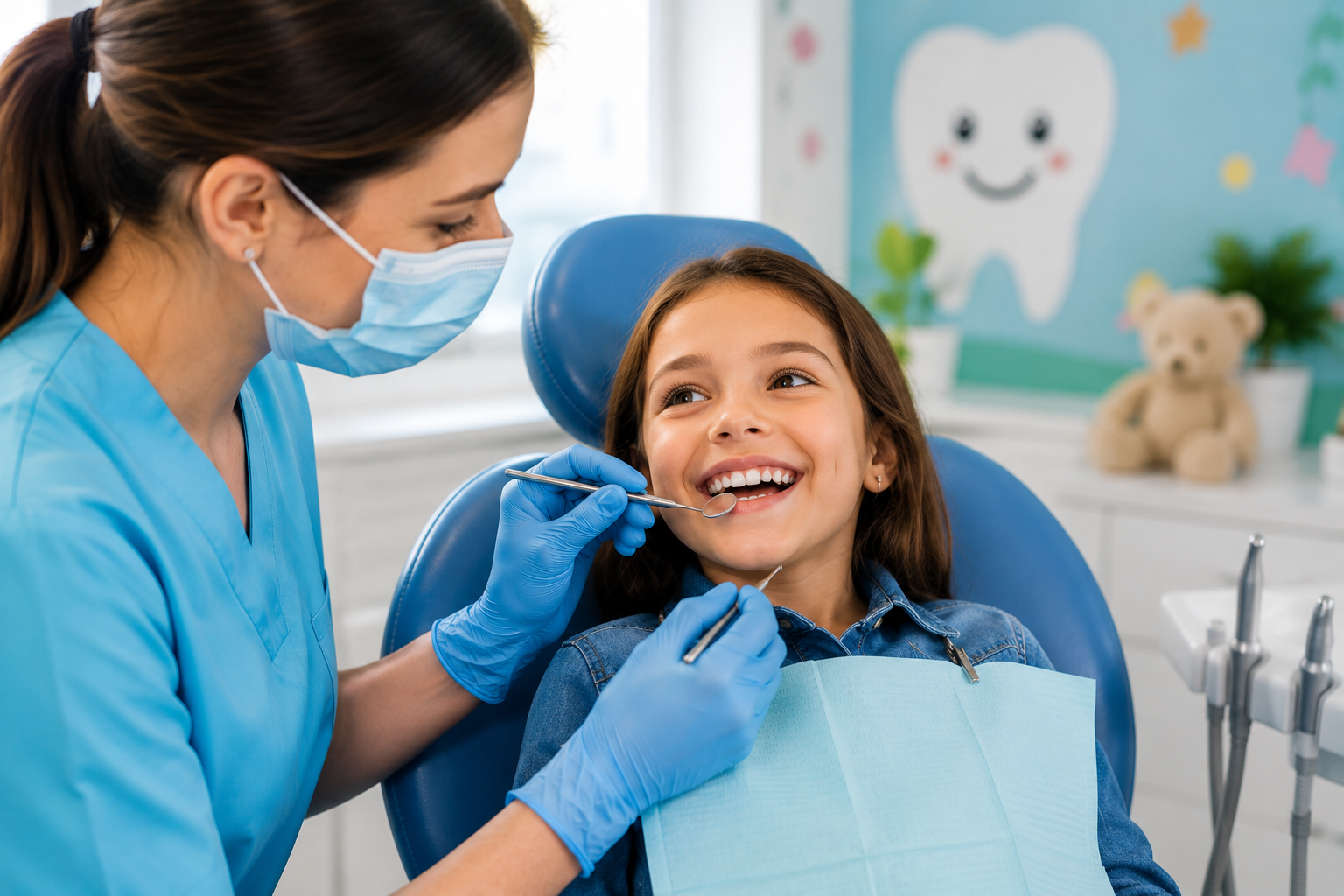
When children understand the “why,” they are more likely to become willing participants, bring them along for dental checkups at Love Dentistry so our friendly team in Bellingham, WA can reinforce these messages in a positive, welcoming environment.
6. Give Them Some Control
Children resist when they feel powerless. Give them meaningful choices within the brushing routine:
- Do you want to brush the top teeth or the bottom teeth first?
- Do you want the lights on or off while we brush?
- Do you want to spit into this cup or the sink?
- Do you want to use the watermelon or the bubblegum toothpaste tonight?
These small choices make a big difference. The child feels heard and in control, which dramatically reduces the power struggle.
7. Make It a Two-Person Job (At First)
Fine motor skills are still developing in young children, which means they genuinely cannot brush effectively on their own until around age 7 or 8. Plan to help your child brush until they have the dexterity to do a thorough job independently. Make this collaborative, not confrontational — “Let’s do this together” instead of “Open your mouth.”
Position yourself beside your child rather than facing them to reduce the feeling of confrontation. Use a small mirror so they can see what you’re doing. Praise effort enthusiastically: “You did such a great job holding still!”
8. Address Sensory Issues Thoughtfully
Some children have genuine sensory sensitivities that make brushing physically uncomfortable. If your child truly struggles with the texture or sensation, consider these accommodations:
- Try an ultra-soft bristle toothbrush or even a silicone finger brush for very sensitive children.
- Allow them to brush with just water first to acclimate, then slowly introduce a tiny amount of toothpaste.
- Experiment with unflavored or very mildly flavored toothpaste
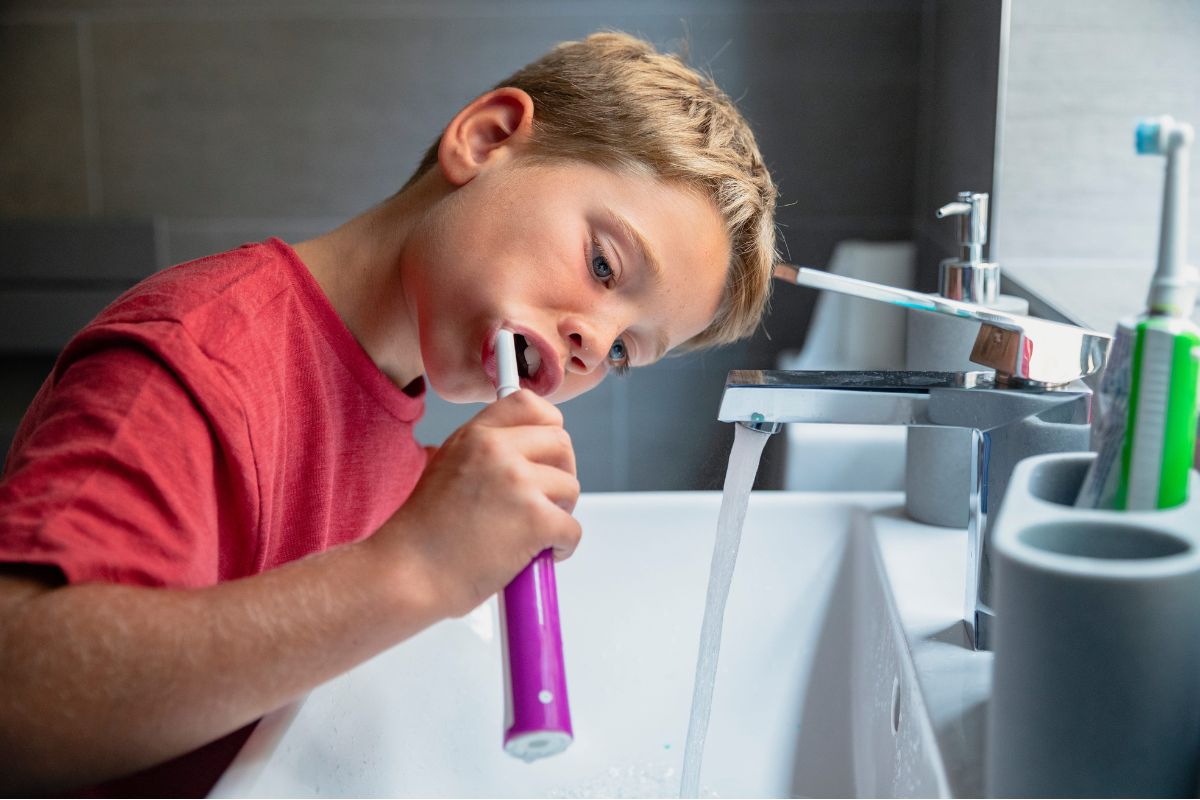
- Use a vibrating electric toothbrush — some sensory-sensitive kids actually prefer the consistent vibration over manual brushing.
If sensory issues seem significant, mention this to our Doctor during your visit. Our team at Love Dentistry in Bellingham is experienced in working with children who have sensory sensitivities and can provide personalized guidance.
Why Choose Love Dentistry for Your Family’s Dental Care in Bellingham, WA
When it comes to your child’s dental health, the practice you choose matters enormously. At Love Dentistry, we don’t just clean teeth — we build relationships, cultivate confidence, and create an experience that children actually look forward to.
Here is what sets Love Dentistry apart:
- Our Doctor is deeply committed to patient-centered, comprehensive dental care for patients of all ages — from toddlers to grandparents.
- Our beautiful Bellingham, WA office was designed with both patient comfort and team ergonomics in mind, creating a warm, welcoming space the moment you walk through the door.
- We offer amenities that make every visit feel less like a dental appointment and more like a wellness experience — including blankets, heated neck and shoulder wraps, televisions, headphones, earplugs, and warm water rinses.
- We use only the most effective, long-lasting dental materials and state-of-the-art equipment to deliver accurate, high-quality care.
- Our team invests deeply in ongoing education, collaboration, and continuous improvement — because we believe a well-supported team delivers better care to every patient.
- We treat every patient as a unique individual with a personal story, not just another chart number — we genuinely want to know you and what matters most in your life.
- We welcome new patients of all ages and are excited to become your family’s dental home.
At Love Dentistry of Bellingham, we do all things with love and will treat you like family. See for yourself why families across Bellingham trust us with their most important smiles.
Conclusion
Teaching your child to love brushing their teeth is one of the greatest gifts you can give them. The habits they build now will follow them for the rest of their lives, protecting their health, their confidence, and their beautiful smile. It won’t always be easy — there will be nights where everything falls apart, and that is okay. What matters is showing up, being patient, and making it as positive as possible.
Use the strategies in this guide as a toolkit. Some will work brilliantly from day one; others may take weeks to gain traction. Keep experimenting, keep modeling, keep making it fun — and don’t hesitate to lean on the professionals at Love Dentistry in Bellingham, WA for support.
We are here for every stage of your child’s dental journey, from their very first tooth to a lifetime of healthy, confident smiles. We can’t wait to get to know your family.
Frequently Asked Questions
Q1: At what age should my child start brushing their teeth?
You should begin cleaning your baby’s mouth even before the first tooth appears, using a soft, damp cloth to wipe the gums. As soon as the first tooth erupts — typically around 6 months — you can introduce a small, soft-bristle infant toothbrush with a rice-grain-sized smear of fluoride toothpaste. By age 3, you can increase to a pea-sized amount. The earlier you start, the more natural the habit becomes.
Q2: How long should my child brush their teeth?
The American Dental Association recommends brushing for a full two minutes, twice a day — once in the morning and once before bed. Two minutes is longer than most people think, which is why songs, apps, or sand timers are so helpful for keeping kids engaged until the full time is up.
Q3: My child swallows toothpaste — is that dangerous?
Swallowing small amounts of toothpaste occasionally is not usually cause for alarm, but ingesting large amounts of fluoride toothpaste regularly can cause dental fluorosis (white spots on permanent teeth) in young children. Use only a rice-grain-sized amount for children under 3, and a pea-sized amount for children ages 3 to 6. Teach spitting early and supervise brushing to minimize swallowing.
Q4: When should my child have their first dental visit?
The American Academy of Pediatric Dentistry recommends scheduling your child’s first dental visit by their first birthday or within six months of the first tooth appearing — whichever comes first. Early visits allow us to monitor your child’s development, provide guidance on diet and habits, and help your child become comfortable in the dental environment before any issues arise.
Q5: What if my child is still terrified of the dentist despite my best efforts at home?
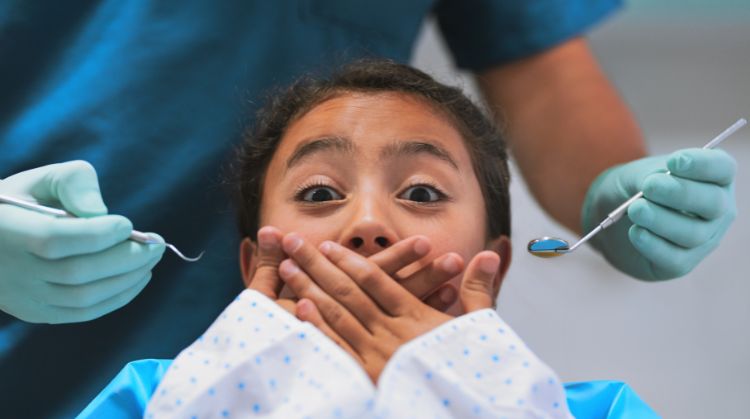
Dental anxiety in children is very common and nothing to be ashamed of. At Love Dentistry in Bellingham, WA, our entire team is trained to work with anxious patients in a calm, patient, and encouraging way. We never rush, we always explain what we’re doing before we do it, and we create an environment that feels safe and supportive. Please mention your child’s anxiety when you book so we can prepare accordingly — we have many techniques to help your child feel at ease from the very first visit.