
Tips to Keep Your Bright Smile After a Teeth Whitening Treatment

Dentist in Bellingham, WA

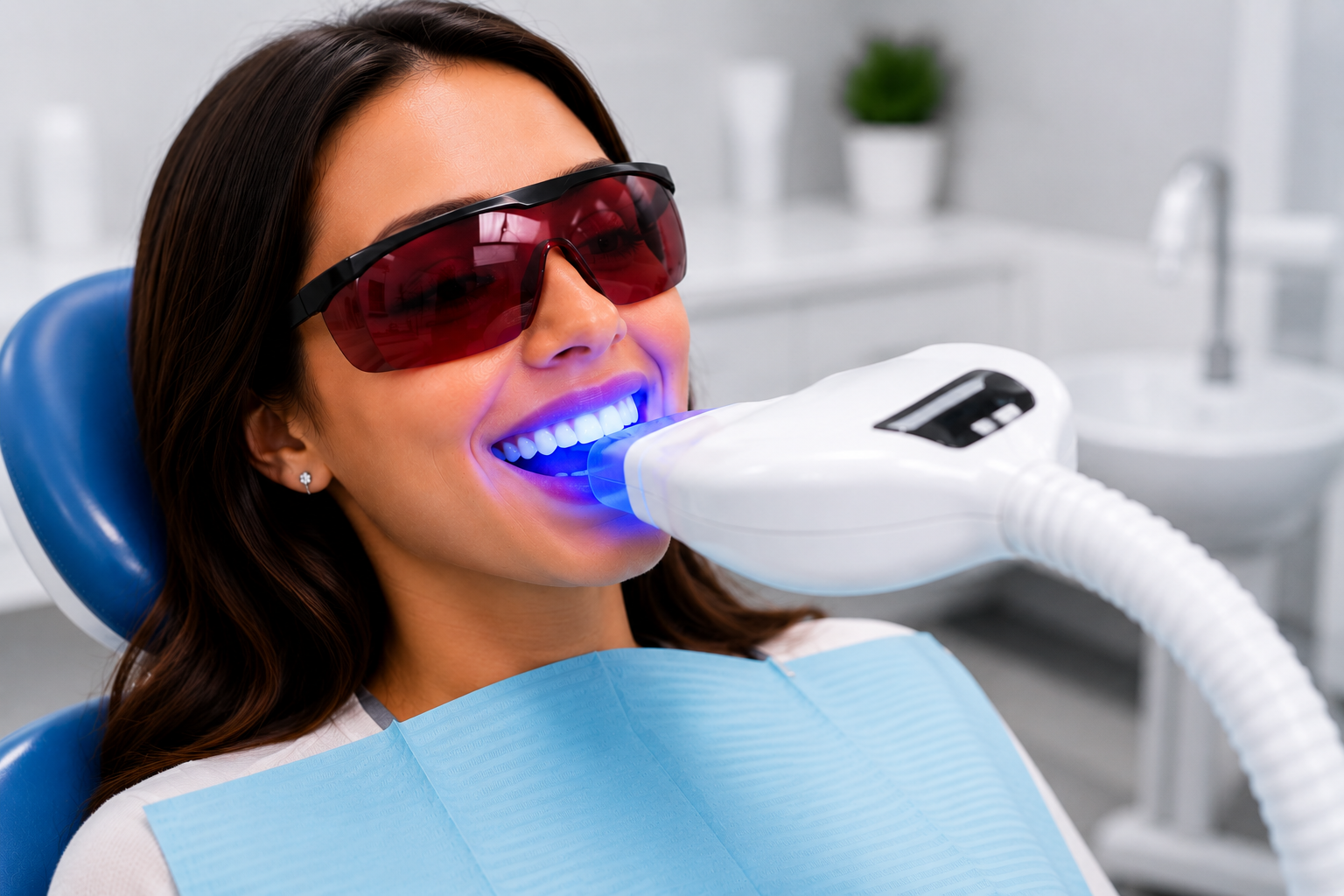
A professional teeth whitening treatment can transform your smile, boosting your confidence and enhancing your overall appearance. However, to keep your teeth looking bright and beautiful, it’s essential to follow a proper aftercare routine. If you’ve recently undergone teeth whitening in Bellingham, WA, here are some expert tips to help maintain your dazzling smile for as long as possible.

1. Avoid Staining Foods and Drinks

One of the biggest culprits of tooth discoloration is what you eat and drink. To prolong the effects of your whitening treatment, try to avoid:

  • Dark beverages like coffee, tea, red wine, and cola. If you must have them, use a straw to minimize direct contact with your teeth.
  • Highly pigmented foods such as berries, soy sauce, tomato sauce, and curry.
  • Acidic foods and drinks like citrus fruits and soda, which can weaken enamel and make teeth more susceptible to stains.

For the first 48 hours post-treatment, your teeth are especially vulnerable to staining. Stick to a “white diet” that includes foods like chicken, rice, cauliflower, and dairy products to avoid discoloration.

2. Maintain Good Oral Hygiene

A bright smile starts with a strong oral hygiene routine. To keep your teeth looking their best, follow these essential steps:

  • Brush twice a day with an electric toothbrush/soft-bristled toothbrush and a non-abrasive, whitening toothpaste.
  • Floss daily to remove plaque and food particles that can cause discoloration.
  • Use an alcohol-free whitening mouthwash to help maintain freshness without drying out your mouth.

Regularly cleaning your teeth prevents new stains from developing and helps maintain the effects of your whitening treatment.

3. Quit Smoking and Tobacco Use

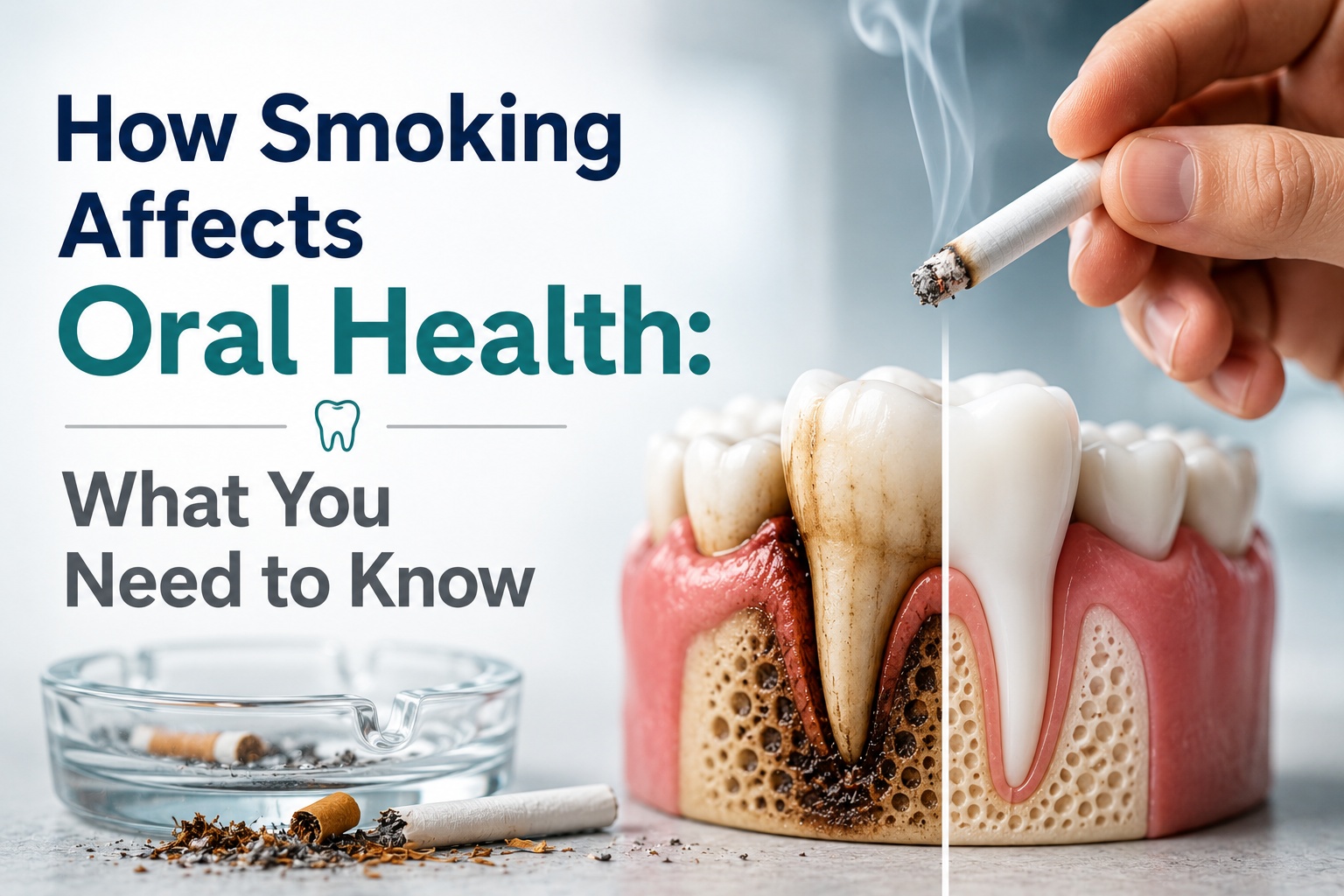
Smoking and chewing tobacco are some of the fastest ways to reverse the results of your teeth whitening treatment. Nicotine and tar found in tobacco products cause deep stains that are difficult to remove. If you’re serious about keeping your smile bright, consider quitting smoking—not only for aesthetic reasons but also for your overall oral and general health.

4. Schedule Regular Dental Checkups and Cleanings

Routine dental visits are crucial for maintaining your oral health and prolonging the effects of your teeth whitening. During these visits, your dentist can:

  • Remove surface stains before they set in.
  • Check for any oral health concerns that might affect your smile.
  • Provide touch-up whitening treatments if needed.

If you’re in Bellingham, WA, and need professional dental care to keep your smile shining, Amy Norman, DDS, offers expert teeth whitening services and long-term smile maintenance.

5. Consider Touch-Up Whitening Treatments

Over time, natural wear and lifestyle habits may cause your teeth to lose some of their brightness. To maintain your results, consider professional touch-up treatments every 6 to 12 months, depending on your needs. A great time to do a touch up is when you are in for your cleaning appointment. Your dentist may also recommend at-home whitening trays for occasional use to help you keep your teeth looking their best between visits.

Conclusion

Maintaining your bright smile after a professional teeth whitening treatment is all about consistency and mindful habits. By avoiding staining foods and drinks, practicing excellent oral hygiene, quitting tobacco, scheduling regular dental checkups, and considering touch-up treatments, you can ensure that your smile remains radiant. With the right care, you can enjoy the benefits of your whitening treatment for months or even years to come. For personalized advice and expert care, visit a trusted dental professional at Love Dentistry in Bellingham, WA, and continue to show off your dazzling smile!

Invisalign vs. Braces: Which One Should You Choose

Dentist in Bellingham, WA

If you’re considering straightening your teeth in Bellingham, WA, you may be wondering whether Invisalign or traditional braces are the better option for you. Both treatments can help you achieve a beautiful, aligned smile, but each comes with its advantages and disadvantages. In this guide, we’ll compare Invisalign and traditional braces to help you make an informed decision.

What Is Invisalign?

Invisalign is a modern orthodontic treatment that uses a series of clear, removable aligners to gradually straighten teeth. These aligners are custom-made to fit your teeth and are virtually invisible, making them a popular choice for adults and teens in Moreno Valley who want a discreet orthodontic solution.

Pros of Invisalign

Virtually Invisible: The clear aligners are barely noticeable, making Invisalign a great choice for professionals and social settings.
Removable: Unlike braces, Invisalign aligners can be taken out while eating, brushing, and flossing.
Comfortable: No metal wires or brackets mean less irritation to the gums and cheeks.
Fewer Dental Visits: Requires fewer checkups compared to traditional braces.

Cons of Invisalign

Requires Discipline: Aligners must be worn for 20-22 hours per day to be effective.
Not Ideal for Severe Cases: Invisalign is best for mild to moderate alignment issues, not for complex orthodontic problems.
Cost: Invisalign can be more expensive than traditional braces, depending on your treatment plan.

What Are Traditional Braces?

Braces use metal brackets and wires to shift teeth into the correct position over time. They are a tried-and-true method for correcting a wide range of dental alignment issues, including severe misalignment and bite problems.

Pros of Braces

Effective for All Cases: Braces can correct mild, moderate, and severe orthodontic issues.
No Need for Self-Discipline: Unlike Invisalign, you can’t remove braces, which means they’re working 24/7.
Variety of Options: In addition to metal braces, there are ceramic (tooth-colored) braces for a less noticeable look.
Generally More Affordable: In many cases, traditional braces are more budget-friendly than Invisalign.

Cons of Braces

More Visible: Even with ceramic braces, they are still more noticeable than Invisalign.
Diet Restrictions: Certain foods, like sticky or hard snacks, must be avoided to prevent damage to the brackets.
More Frequent Adjustments: Requires regular tightening and adjustments, which can cause discomfort after each visit.

Which One Is Right for You?

Choosing between Invisalign and traditional braces depends on your specific needs, lifestyle, and budget.

If you prefer a discreet and removable option, Invisalign may be the better choice. It allows you to eat freely without dietary restrictions and makes brushing and flossing easier. However, it requires discipline—aligners must be worn for at least 20-22 hours daily, and forgetting to wear them can delay treatment.

On the other hand, if you need to correct more severe misalignment or bite issues, braces are the more effective solution. Braces work 24/7 because they are fixed in place, ensuring consistent progress. However, they are more noticeable and require some adjustments to your diet and oral hygiene routine.

The treatment time also varies. Invisalign typically takes 12-18 months, while braces usually take 18-24 months, depending on the complexity of the case. Invisalign patients also have fewer dental visits, usually every 6-8 weeks, while braces require more frequent adjustments.

Cost is another important factor. Invisalign can sometimes be more expensive than braces, but costs vary based on individual treatment plans. Many dental insurance plans help cover both options, so it’s best to consult with Love Dentistry in Bellingham, WA to explore financing options.

For teenagers, Invisalign can be a great option if they can commit to wearing their aligners as instructed. However, if there’s a risk of forgetting or losing aligners, braces may be the better option.

For adults, Invisalign is often the preferred choice due to its discreet nature, making it ideal for professionals and social situations. However, some adults with complex alignment issues may still require braces for the best results.

Conclusion

Both Invisalign and traditional braces are excellent options for achieving a straighter, healthier smile. The best choice depends on your specific needs, lifestyle, and the complexity of your dental alignment. Invisalign offers a discreet and removable solution, while braces provide a more structured and effective approach for severe cases.

No matter which option you choose, the most important step is starting your journey toward a confident smile with a trusted professional. At Love Dentistry, we are dedicated to helping you find the best orthodontic solution for your smile goals.

Veneers vs Bonding: Which Option Is Best for Your Smile Makeover

Dentist in Bellingham, WA

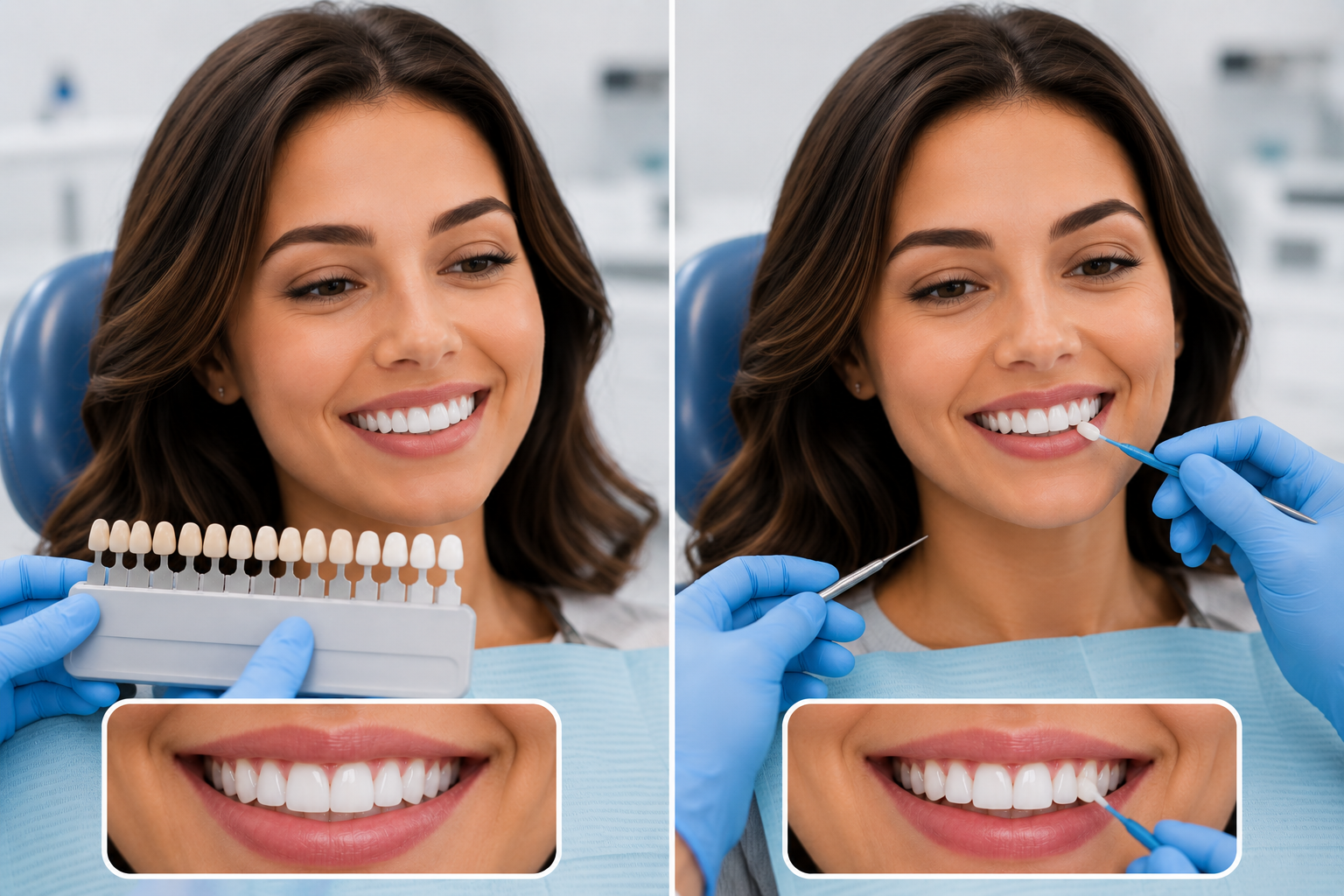
If you’re looking to enhance your smile in Bellingham, WA, you’ve likely come across two popular cosmetic dentistry options: veneers and bonding. 

Both can dramatically improve the appearance of your teeth, but they serve different purposes and come with their own advantages. 

In this guide, we’ll break down the key differences between veneers and bonding, helping you decide which is the best choice for your smile makeover.

What Are Veneers?

Veneers are thin, custom-made shells that cover the front surface of your teeth. They are typically made from porcelain or composite resin, and they are permanently bonded to your teeth to create a flawless appearance.

Pros of Veneers

  • Long-Lasting – Porcelain veneers can last 10-15 years or more with proper care.
  • Stain-Resistant – Unlike natural teeth, veneers are resistant to stains from coffee, tea, and wine.
  • Natural Look – Porcelain mimics the translucency of real teeth for a more natural appearance.
  • Corrects Multiple Issues – Veneers can address discoloration, gaps, misalignment, and chipped teeth.

Cons of Veneers

  • Irreversible Procedure – A thin layer of enamel must be removed for veneers to fit properly.
  • Higher Cost – Veneers tend to be more expensive than bonding due to their durability and quality.
  • Not for Severe Damage – If your teeth are significantly damaged or decayed, other treatments may be required.

What Is Dental Bonding?

Dental bonding is a minimally invasive procedure where a tooth-colored composite resin is applied to your teeth to correct chips, cracks, gaps, or discoloration. Unlike veneers, bonding doesn’t require significant enamel removal and can often be done in a single visit.

Pros of Dental Bonding

  1. Affordable – Bonding is less expensive than veneers, making it a budget-friendly option.
  2. Quick Procedure – Most bonding treatments can be completed in just one visit to the dentist.
  3. Reversible – Unlike veneers, bonding doesn’t require permanent enamel removal.

Cons of Dental Bonding

  1. Less Durable – Bonding material is not as strong as porcelain and may need touch-ups or replacement after 5-7 years. 
  2. More Prone to Stains – Composite resin can stain over time, especially with coffee, tea, and smoking. 
  3. Not Ideal for Major Corrections – If you need significant cosmetic changes, veneers may be a better option.
  4. Bleaching – Bonding does not bleach.  Bondings tend to stand out after bleaching has been completed.

Which Option Is Best for You?

Choosing between veneers and bonding depends on your specific dental needs, budget, and long-term goals. Here’s a quick guide to help you decide:

Choose Veneers If: You want a long-lasting, highly aesthetic smile transformation and are willing to invest in a permanent solution.

Choose Bonding If: You need a quick and budget-friendly fix for minor cosmetic issues.

For personalized advice, Love Dentistry in Bellingham, WA can assess your smile and recommend the best treatment plan tailored to your needs.

Enhance Your Smile with Love Dentistry in Bellingham, WA

If you’re considering a smile makeover, trust Love Dentistry to provide expert care and stunning results. Whether you choose veneers or bonding, her team will ensure you achieve a smile that boosts your confidence and enhances your natural beauty.

Don’t wait to get the smile you deserve. Call Love Dentistry today or visit our office in Bellingham, WA to book your consultation!

Why Advanced Dental Care is Key to Long-Term Oral Health

Dentist in Bellingham, WA

Maintaining good oral health requires more than basic brushing and flossing; it necessitates advanced dental care.

Regular visits to the dentist and utilizing various cosmetic dental services ensure your teeth and gums stay healthy, and any potential issues are addressed before they escalate. This blog explores how specific advanced dental procedures contribute to long-term oral health.

Understanding Advanced Dental Care

Advanced dental care refers to the use of innovative techniques and tools to promote optimal oral health. This can include cosmetic dental services designed not only for aesthetic enhancement but also for functional improvement. While traditional dental care focuses on routine check-ups and cleanings, advanced treatments offer patients solutions that can significantly improve their quality of life.

The Importance of Regular Visits

Regular dental check-ups are essential for identifying issues early. Many oral health problems, such as gum disease and cavities, can develop without noticeable symptoms.

By scheduling routine visits, dentists can provide preventive care, conduct thorough examinations, and recommend advanced options when necessary. Procedures like gum disease therapy can prevent more severe complications, while also contributing to the maintenance of a healthy mouth.

Advanced Cosmetic Dental Services

One of the most significant benefits of advanced dental care is the range of cosmetic dental services available. These services not only enhance the aesthetics of your smile but also contribute to overall oral health.

Teeth Whitening Solutions

Teeth whitening solutions have gained popularity as many seek to improve the appearance of their smiles. Stains can accumulate over time, leading to a dull and aged appearance. Professional teeth whitening treatments can restore brightness effectively, and when combined with good brushing practices, they keep smiles looking vibrant.

Porcelain Dental Veneers

Porcelain dental veneers are another advanced treatment option that serves both cosmetic and functional purposes. These thin shells are custom-made to cover the front surface of teeth, providing an instant solution for issues like chips, stains, and misalignment. By choosing porcelain veneers, patients can enhance their confidence while preventing potential problems associated with exposed tooth surfaces.

Full Smile Makeover

For those seeking extensive improvements, a full smile makeover combines several advanced treatments. It may incorporate teeth whitening, veneers, and even orthodontics like Invisalign aligners. A full smile makeover is tailored to each patient, ensuring their specific needs are met while delivering a complete oral health upgrade.

Comprehensive Solutions for Long-Term Oral Health

A holistic approach to dental care involves addressing both cosmetic and structural concerns. Several procedures play key roles in this strategy.

Dental Implant Procedures

Dental implant procedures have revolutionized the way we think about tooth replacement. Implants not only replace missing teeth but also provide structural support to maintain jawbone integrity. Choosing implants can prevent long-term oral health issues associated with missing teeth, such as bite misalignment and jawbone deterioration.

Invisalign Aligners

Invisalign aligners are a modern orthodontic treatment that straightens teeth discreetly. Unlike traditional metal braces, these clear aligners offer a comfortable option for adults and children alike. Proper alignment not only improves appearance but also plays a crucial role in long-term oral health by aiding proper chewing and reducing the risk of jaw issues.

Root Canal Procedures

When decay extends into the pulp of a tooth, root canal procedures become necessary. While often feared, this treatment is vital for preserving the natural tooth and preventing further complications. By addressing infections and protecting the tooth structure, root canals contribute to long-term health and comfort.

Addressing Gum Health

Gum disease therapy is an essential component of advanced dental care. Gum disease can lead to tooth loss and other systemic health issues if left untreated. Regular cleanings, deep cleanings, and laser therapy techniques can effectively manage and reverse gum disease, securing a healthy foundation for the teeth.

Final Thoughts

Advanced dental care, including various cosmetic dental services, is paramount for maintaining long-term oral health.

From teeth whitening solutions and porcelain dental veneers to comprehensive gum disease therapy, these treatments not only enhance smiles but also protect against future problems.

By prioritizing advanced dental care and being proactive about oral health, you can confidently ensure a healthy, beautiful smile for years to come.

What You Should Know About Dental Cleanings and Why They Matter

Dentist in Bellingham, WA

Dental cleanings are an essential aspect of oral health that should not be overlooked. They play a critical role in maintaining the cleanliness of our teeth and gums, which ultimately contributes to overall body health.

This post will delve into the importance of routine dental cleaning, the different types of procedures, and how they aid in plaque removal, tartar removal, and gum disease prevention.

Understanding Routine Dental Cleaning

Routine dental cleaning is a preventive dental care practice recommended for everyone, regardless of age. Typically, it involves a visit to your dentist or dental hygienist every six months. During this visit, professionals perform various cleanings and checks to ensure your oral health is in top condition.

The cleaning process begins with a gentle examination of your mouth where your dentist looks for signs of plaque and tartar buildup and other oral health issues. Plaque is a sticky film of bacteria that forms on your teeth and can harden into tartar if not removed promptly. Regular cleanings help eliminate plaque before it has the chance to turn into tartar, which requires more intensive tartar removal procedures.

The Importance of Plaque and Tartar Removal

Both plaque and tartar can lead to serious dental issues if left untreated. Plaque buildup can cause cavities, and as it accumulates, it can lead to gum disease, which is one of the most common reasons for tooth loss in adults.

Tartar, on the other hand, is plaque that has hardened on the teeth. It is much more challenging to remove than plaque and often requires professional cleaning. Tartar removal is vital not only for aesthetic reasons but also for your overall health, as it can harbor bacteria that adversely affect your gums and teeth. By undergoing routine dental cleaning, you are actively participating in gum disease prevention and reducing your risk of tooth decay.

The Process of Deep Teeth Cleaning

While routine dental cleaning is generally recommended twice a year, some individuals may require deep teeth cleaning, also known as scaling and root planning. This is necessary for patients who exhibit signs of gum disease or have excessive tartar buildup. Deep teeth cleaning involves cleaning the tooth surface beneath the gum line and smoothing the roots of the teeth, making it more challenging for bacteria to adhere and reducing the risk of further gum disease.

Deep teeth cleaning can seem like a daunting task, but it’s crucial in the fight against advanced gum disease. It can help restore gum health and prevent the progression of periodontal disease, which can lead to severe complications if not addressed.

Teeth Cleaning Benefits

There are numerous benefits to routine dental cleaning, far beyond just having sparkling teeth. Here are some notable teeth-cleaning benefits:

  1. Prevention of Cavities: Regular cleanings help remove the plaque build-up that could otherwise lead to cavities.
  2. Gum Disease Prevention: By keeping your gums clear of plaque and tartar, you significantly reduce the risk of gum diseases like gingivitis and periodontitis.
  3. Fresh Breath: Dental cleanings eliminate the bacteria that contribute to bad breath, leaving your mouth feeling fresh.
  4. Early Detection of Oral Issues: Dental professionals can identify early signs of oral issues, including decay and diseases, during routine cleanings.
  5. Overall Health Improvement: Good oral hygiene and regular cleanings can improve your overall health, as oral health is closely linked to various systemic conditions, including heart disease and diabetes.

Conclusion

In conclusion, routine dental cleaning serves a vital role in maintaining optimal oral health. Through proactive plaque removal, effective tartar removal, and necessary deep teeth cleaning when needed, individuals can protect themselves from gum disease and other dental complications.

Incorporating preventative dental care into your routine could not only keep your smile shining but also contribute positively to your overall health. Embrace the routine and the benefits it brings – because a healthy mouth leads to a healthy life.


How Preventive Dentistry Can Save You Time and Money

Dentist in Bellingham, WA

Preventive dentistry is an essential aspect of maintaining optimal oral health. Regular dental care not only enhances your smile but also ensures that you avoid complex procedures in the future. By focusing on prevention, you can save both time and money, and this blog post will outline the various ways preventive dentistry achieves that.

Understanding Preventive Dentistry

Preventive dentistry encompasses various practices that aim to maintain good dental hygiene and oral health. These practices include regular dental checkups, X-rays, teeth cleaning, fluoride treatments, and education on dental care tips. By regularly engaging in these practices, you reduce the risk of developing serious dental issues, potentially leading to significant savings in both time and money.

The Importance of Regular Dental Checkups

One of the cornerstones of preventive dentistry is the dental checkup. These routine visits typically involve a comprehensive dental exam and full mouth series of x-rays where your dentist assesses your overall oral health. During these assessments, any early signs of gum disease or cavities can be identified and treated before they escalate.

Regular dental exams are also vital for monitoring your dental hygiene. Your dentist can offer personalized dental care tips tailored to your specific needs, ultimately enhancing your oral health and preventing more severe complications down the line.

Teeth Cleaning: An Essential Preventive Measure

Teeth cleaning is another critical component of preventive dentistry. During these sessions, the dental hygienist reviews medical histories, takes x-rays, completes periodontal assessment, removes plaque and tartar, goes over Oral Health Instruction, applies Fluoride and answers all questions the patients may have.

By maintaining a consistent teeth cleaning schedule, you are investing time upfront to ensure your dental hygiene is in peak condition. This proactive approach means you’re less likely to require extensive treatments later, saving you both time spent in the dentist’s chair and money on potential procedures.

The Role of Fluoride Treatments

Fluoride treatments are an important preventive measure that can significantly contribute to cavity prevention. Fluoride strengthens the enamel of your teeth, making them more resistant to the bacteria that cause decay. Regular fluoride treatments can aid in protecting your teeth, especially for those at higher risk for cavities.

Moreover, fluoride is often applied during routine checkups, meaning you can benefit from this treatment without needing a separate appointment. By keeping up with fluoride treatments, you can reduce your chances of needing fillings or other dental work, ultimately saving you money.

Gum Disease Prevention

Preventive dentistry is instrumental in gum disease prevention. Gum disease can lead to tooth loss, systemic health issues, and costly treatments. By focusing on maintaining good dental hygiene, engaging in regular checkups, and receiving professional cleanings, you significantly lower your risk of developing gum disease.

Your dentist and hygienist can provide targeted advice on brushing and flossing effectively to prevent gum disease. Following these dental care tips can improve your daily habits, ensuring the longevity of your natural teeth and enhancing overall oral health.

The Financial Benefits of Preventive Dentistry

Investing in preventive dentistry pays off in the long run. Dental procedures such as root canals, crowns, or periodontal treatments can be expensive and time-consuming. By prioritizing dental checkups and routine cleaning, you can avoid these invasive treatments, thereby preserving your budget and your schedule.

Many dental insurance plans emphasize the importance of preventive care by covering a significant portion of routine checkups and cleanings. This often leaves patients with minimal out-of-pocket costs for these essential services. Thus, neglecting preventive dentistry might result in higher expenses in the future—a cost-saving strategy you don’t want to overlook.

Final Thoughts

Preventive dentistry is a significant investment in your future oral health. By adhering to dental hygiene practices, scheduling regular dental checkups, investing in teeth cleaning and fluoride treatments, and following dental care tips, you can ensure that your smile remains healthy and vibrant.

The benefits of preventive care are evident: fewer dental problems, reduced treatment costs, and less time spent at the dentist. Protect your oral health by prioritizing preventive dentistry today. It’s an investment that pays dividends in both time and money, allowing you to enjoy a lifetime of healthier smiles.


Full Mouth Dental Rehabilitation: Restoring Function & Aesthetics

Dentist in Bellingham, WA

Full Mouth Dental Rehabilitation is an extensive procedure aimed at restoring the function and aesthetics of your mouth.

Whether due to injury, decay, or other dental issues, this comprehensive approach allows individuals to regain their confidence through complete oral rehabilitation.

In this blog post, we will explore what Full Mouth Dental Rehabilitation entails, the procedures involved, and the significant benefits it offers for both functionality and aesthetics.

Understanding Full Mouth Dental Rehabilitation

To truly grasp the significance of Full Mouth Dental Rehabilitation, it’s essential to understand its scope. This process is designed to address multiple dental issues and restore the mouth to optimum health. It entails a series of treatments that may include dental implants, crowns, veneers, and other procedures aimed at correcting bite issues, tooth loss, and cosmetic imperfections.

The goal of Complete Oral Rehabilitation is to not only enhance the appearance but also improve overall oral function. Patients with difficulties such as chewing, speaking, or discomfort due to missing or damaged teeth can benefit immensely from this rehabilitation.

The Importance of Full Mouth Dental Implants

One of the key components of Full Mouth Dental Rehabilitation is Full Mouth Dental Implants. Implants serve as a permanent solution for those who have lost teeth, offering stability and durability that traditional dentures may not provide. The procedure involves placing titanium posts into the jawbone, acting as roots for replacement teeth.

These implants can support individual crowns, bridges, or even full arch replacements, giving patients a natural look and feel. The integration of dental implants into a Full Mouth Dental Rehabilitation plan signifies a long-term investment into a patient’s oral health, impacting their ability to eat, speak, and smile with confidence.

Comprehensive Dental Rehabilitation Procedures

Full Mouth Dental Rehabilitation involves a series of tailored procedures tailored closely to the individual needs of the patient. The following are some common treatments included in the complete oral rehabilitation plan:

Dental Implants

As mentioned earlier, Full Mouth Dental Implants provide a sturdy foundation for new teeth. Patients opting for this treatment relish the feeling of having a full set of teeth without the discomfort traditionally associated with removable dentures.

Crowns and Bridges

Crowns may be used to cover damaged or decayed teeth, while bridges help fill gaps left by missing teeth. Both of these treatments play an integral role in restoring function and improving aesthetics in a full-mouth rehabilitation plan.

Veneers

Veneers are thin shells designed to cover the front surface of teeth. They can address issues like discoloration, chips, or gaps, offering a flawless smile that enhances overall facial aesthetics, playing a significant role in smile rehabilitation.

Orthodontics

In some cases, orthodontic treatment may be necessary to align teeth properly before other restorative methods are employed. This may involve braces or aligners to ensure that your bite and smile are perfected.

Benefits of a Full Mouth Dental Rehabilitation

The impact of undergoing Full Mouth Dental Rehabilitation extends far beyond mere appearances. Here are some noteworthy advantages:

Improved Functionality

One of the most significant improvements from a Full Mouth Dental Rehabilitation is increased functionality. With the restoration of teeth, patients can chew more effectively, enjoy their favorite foods, and speak clearly again.

Enhanced Aesthetics

Undoubtedly, one of the most rewarding aspects of dental rehabilitation is an improved smile. Patients often report enhanced self-esteem and confidence when they can smile freely without feeling self-conscious about their teeth.

Long-Term Health

By addressing multiple dental issues at once, patients can protect themselves from further oral health complications. Complete Oral Rehabilitation serves to promote better dental hygiene, preventing future issues like gum disease or tooth decay.

Individualized Treatment

Every patient is unique, and that’s why a Full Mouth Dental Rehabilitation plan is customized specifically to meet individual needs. This bespoke approach ensures that each treatment contributes effectively to the overall goal of restoration.

Final Thoughts

Full Mouth Dental Rehabilitation is a life-changing option for those struggling with multiple dental issues.

Through a combination of Full Mouth Dental Implants, crowns, veneers, and other restorative procedures, patients can achieve a new level of functionality and aesthetics in their oral health.

If you’re considering a transformation for your smile or addressing functional problems, speak with your dentist about the possibilities of dental rehabilitation. A renewed smile is just around the corner, ready to give you back your confidence and quality of life.


What is Periodontal Disease?

Dentist in Bellingham, WA

Periodontal disease ranges from a mild inflammation of the gum tissues to periodontitis, a major oral disease that can result in soft tissue and bone damage. Periodontitis is the leading cause of adult tooth loss in the United States.  

One of the major causes of gum disease is practicing poor oral hygiene habits. Daily brushing and flossing and regular professional exams and cleanings are essential to maintaining optimal oral health. When these practices are not followed, plaque can form on the teeth and along the gumline. If this plaque is not properly removed, it may harden over time and become tartar. Once that occurs, only a dental professional can remove the tartar from teeth. 

If gum disease is not treated in a timely manner, tartar may continue to build unchecked. When this occurs, the gum disease may advance to gingivitis. In this stage, gums redden, swell, and become prone to bleeding from normal activities, such as brushing or eating. Some other common symptoms include: chronic halitosis (bad breath), sensitive teeth, and difficulty or pain with chewing. At this point, professional periodontal treatment is needed to prevent the gingivitis from advancing to periodontitis. 

When gingivitis is not treated in time, it may become periodontitis. Periodontitis is the most advanced form of periodontal disease. With periodontitis, gums begin to pull away from the teeth, creating small “pockets” along the gumline. These spaces are highly difficult to clean without professional intervention and can lead to rapid worsening in overall oral health. Without prompt and thorough treatment, bone, gums, and soft tissues may be destroyed by periodontitis. 

Some of the most common factors that contribute to periodontal disease developing include poor oral hygiene habits, diabetes, smoking, and hormonal changes in women. Some medications can cause gum tissue to grow abnormally, which can increase difficulty in proper cleaning of the teeth. People who are receiving treatment for AIDS are also at increased risk of developing periodontal disease. 

Many recent studies have found that untreated periodontal disease may negatively impact other aspects of your overall health, especially for patients with cardiovascular disease or diabetes. Periodontal disease can also increase the risk of developing certain pregnancy complications, such as low birth weight or premature birth. 

Our doctor has the training and experience to diagnose and treat every stage of periodontal disease. If you have symptoms of periodontal disease, contact our office to schedule a consultation.

Changing Your Spots: White Areas on Teeth

Dentist in Bellingham, WA

White spots on your teeth can be irritating and affect how you feel about your smile. The good news, however, is that they are preventable and rarely cause for concern. Here are things you should know about what causes white spots, how to prevent them, and what options are available should you already have them. 

What causes white spots on teeth? 

1.       Dental Fluorosis This can happen when a child consumes or is exposed to too much fluoride during the development of their teeth. While undesirable, this is harmless and can happen before teeth even emerge. The most common cause of fluorosis in the US is the use or ingestion of too much toothpaste. 

2.       Poor Dental Hygiene – Forgetting to brush regularly can cause white spots to develop. 

3.       Braces – Wearing braces for an extended time can affect the coloration of your teeth and create white spots.  

4.       Acidic or Sugary Foods – These foods can damage your teeth as well as change the color of their enamel. Rinsing your mouth after you consuming acidic or sugary items can help negate these effects. 

How can I prevent them from appearing? 

Following a proper oral hygiene regimen is the best way to prevent white spots on teeth. Ensure your child uses the correct amount of toothpaste – children under 3 should use a smear the size of a rice grain, and children over 3 should not use more than a pea-sized amount. It is common for children to accidentally swallow or fail to spit out toothpaste, so be sure to supervise your child as they are learning. 

What are options for treatment? 

If you are already dealing with white spots, you have options. Whitening or bleaching can make the coloration of your teeth more uniform. Dental veneers can restore the entire appearance of your teeth, solving not just the problem of white spots. In some cases, topical fluoride or enamel microabrasion upon the white spots themselves can do the trick.  

Our doctor will recommend the optimal solution for treating white spots on your teeth. Contact our office for a consultation today.

Should You Brush Right After Eating?

Dentist in Bellingham, WA

https://lh3.googleusercontent.com/qQjUsuj9upabGlVL0sOGjxmgga9qnTCcws46wf3dR94c8qFlcCWAvxOiKeHq5eXwa8ZaLRSuAXAZwPeoD03ISypAmXIF8fMByGJ5A3ogfU9-AtBhZ4AXRMVJdlchp2hWm3a2PESW

Enamel is the guardian of your teeth and the hardest material in the body. It’s the first defense against harmful bacteria which may lead to tooth decay. When you eat certain foods, it creates bacteria which attack your tooth enamel. Carbohydrates and sugary foods are examples of these foods. Brushing directly after eating can be harmful to your enamel. 

Why this is a problem 

When eating or drinking, the pH balance in your mouth changes. After each bite of acidic food, the pH balance moves towards a level which causes demineralization. The new acidity softens the enamel which can cause bacteria to get into the teeth. Brushing right after you eat may damage your enamel. This is important because enamel protects your teeth from damage.   

Steps you can take to protect your enamel: 

• If you’ve had anything acidic, don’t brush for at least 30 minutes.  Fruits with citric acid are one example. If you are planning ingesting acidic foods or drinks, you can brush beforehand. 

• A glass of water will help remove the acid. Follow this by chewing sugarless gum. These steps help create saliva which will help bring back the necessary pH balance needed for a healthy smile. 

• Try to avoid soda as prolonged phosphoric acid can cause permanent damage. 

• Brushing your teeth twice a day is an important habit for optimal oral health.  

Have you ever been told you should brush your teeth right after eating? While this may sound like the right habit to adapt, this practice could be detrimental to the health of your teeth. Rinsing your mouth with water after eating may be a better option to keep enamel strong. Visit our office for an exam and we can give you for tips for healthy, strong teeth. Call our office today. 

Love Dentistry
4101 Eliza Ave. Bellingham, WA 98226
(360) 623-7318

Visit Our Bellingham Blog

Dentist in Bellingham, WA

Is It Normal to Experience Pain During the Dental Implant Healing Stages?

March 27, 2026

If you’ve recently had a dental implant placed — or you’re considering one — one of the first questions that comes to mind is: Will […]

7 Reasons Why Gum Disease Treatment Is More Important Than You Think

March 25, 2026

You brush. You floss (most days). You rinse with mouthwash and call it good. So when your dentist mentions gum disease, it can feel like […]

How to Maintain White Teeth Without Expensive Dental Treatments

March 23, 2026

A radiant, white smile does more than enhance your appearance — it boosts your confidence, makes a memorable first impression, and reflects the care you […]