
Professional Teeth Whitening Options at Love Dentistry

Dentist in Bellingham, WA

A brighter smile is one of the most requested cosmetic improvements, and for good reason — it’s often one of the first things people notice, and a brighter smile can leave you feeling more confident in everyday interactions. While whitening products line store shelves, professional teeth whitening continues to offer the most reliable and effective results.

What Causes Teeth to Discolor?

Tooth discoloration generally falls into two categories. Surface stains develop from everyday habits like coffee, tea, red wine, and tobacco use, gradually building up on the outer enamel. Intrinsic discoloration occurs within the tooth itself and can result from aging, certain medications taken during childhood, or trauma to a tooth.

Knowing which type of discoloration you’re dealing with helps determine whether whitening will be effective, or whether another approach — like bonding or veneers — might be more appropriate.

In-Office Whitening

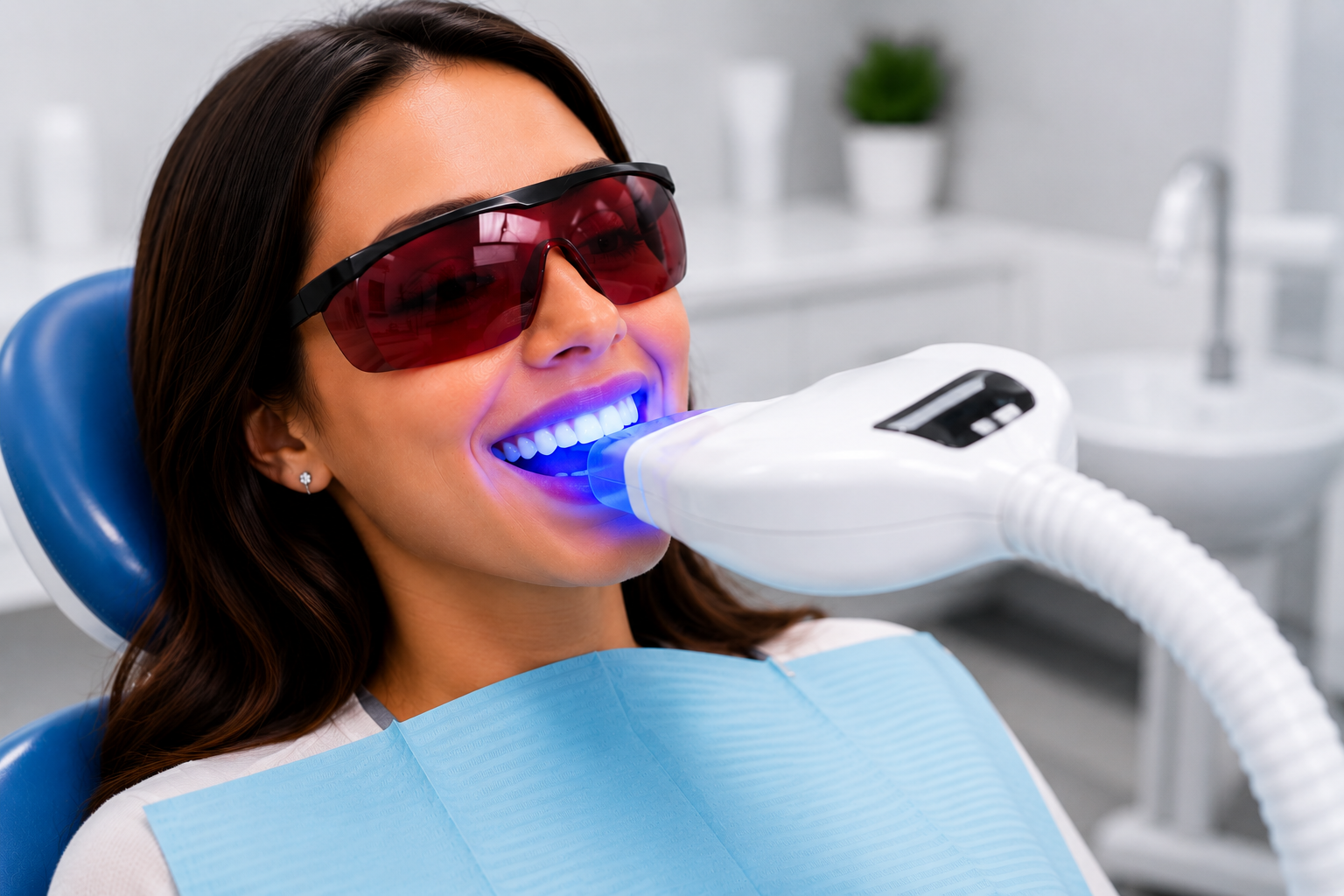
In-office whitening uses professional-strength bleaching agents applied under your dentist’s supervision. Because the concentration is higher than over-the-counter products, results are often visible after a single visit, with teeth appearing noticeably brighter in under an hour. Your dental team takes care to protect your gums and soft tissue throughout the process.

Take-Home Whitening Trays

For a more gradual approach, custom-fitted take-home trays paired with professional whitening gel offer an effective alternative. Because the trays are made specifically for your teeth, the gel stays in even contact with the enamel — reducing irritation compared to generic store-bought trays — with results typically building over one to two weeks.

Why Choose Professional Whitening Over Store-Bought Products?

Over-the-counter whitening products are designed for safe, unsupervised use, which generally means lower strength and more modest results. Professional whitening allows for stronger, more effective formulations used under supervision — and just as importantly, gives your dentist the chance to evaluate your teeth first, so you’re not investing in a treatment that won’t address your specific type of discoloration.

Keeping Your Smile Bright

Whitening results aren’t permanent, but good habits can help them last. Rinsing after dark-colored foods and drinks, maintaining a consistent oral hygiene routine, and keeping up with regular cleanings all help preserve your results over time. Occasional touch-up treatments can also help maintain your smile for years to come.

Conclusion

A brighter smile can make a noticeable difference in your confidence — but achieving the best results starts with understanding what’s causing your discoloration. Whether through in-office whitening or custom take-home trays, professional whitening offers a level of effectiveness and oversight that store-bought options can’t match.

Frequently Asked Questions

How long do professional whitening results last?

Results vary, but many patients enjoy brighter teeth for several months to a couple of years, depending on diet, habits, and oral hygiene.

Is professional whitening safe for sensitive teeth?

It can be — let your dental team know about any sensitivity beforehand so they can adjust the approach or recommend desensitizing products.

Will whitening change the color of fillings or crowns?

No, whitening only affects natural enamel, so existing restorations won’t change color. Your dentist can discuss how to keep your overall smile looking consistent.

What’s the difference between in-office and take-home whitening?

In-office whitening uses stronger products for quicker, same-day results, while take-home kits use custom trays for gradual whitening over one to two weeks.

Can everyone get the same level of whitening results?

Results vary based on the type and severity of discoloration. Your dentist can help set realistic expectations after evaluating your teeth.

Brighten Your Smile at Love Dentistry

Our team can help you understand what’s behind your tooth discoloration and recommend the whitening approach that’s the best fit for your smile.

Call (360) 623-7318 or request an appointment with our Bellingham, WA team today.

Porcelain Veneers vs. Dental Bonding: Which Is Right for You?

Dentist in Bellingham, WA

When it comes to addressing chips, gaps, discoloration, or minor shape issues with your teeth, two of the most common cosmetic options are porcelain veneers and dental bonding. Both can produce noticeable improvements, but they differ significantly in terms of process, durability, and cost — making it worth understanding how each one works before deciding which is right for you.

What Is Dental Bonding?

Dental bonding uses a tooth-colored composite resin, which is applied directly to the tooth, shaped, and hardened with a curing light. Because it’s applied and sculpted in a single visit, bonding is often the quicker and more affordable of the two options. It’s commonly used for small chips, minor gaps, slight reshaping, or covering small areas of discoloration.

What Are Porcelain Veneers?

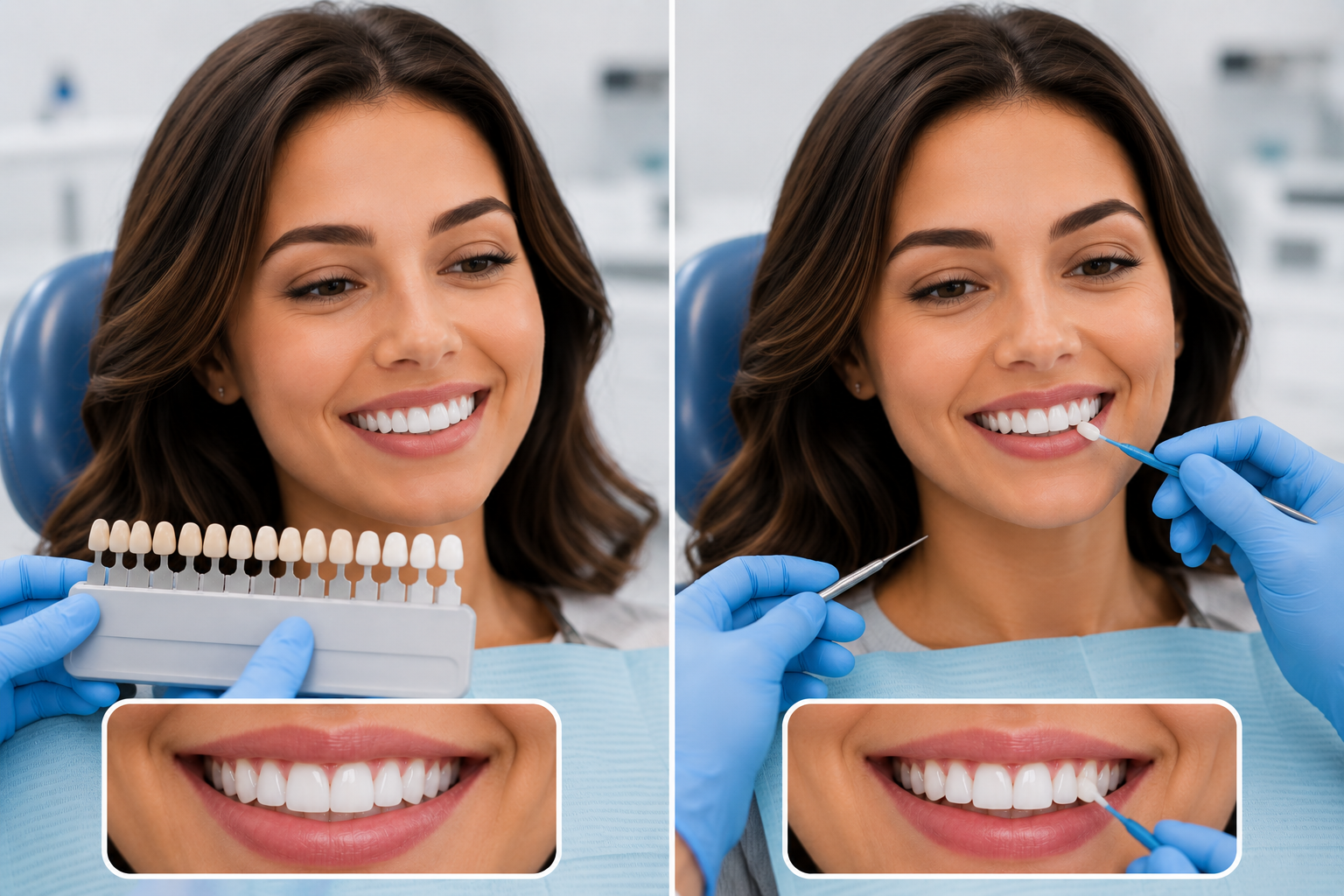
Porcelain veneers are thin, custom-made shells designed to cover the front surface of a tooth. Unlike bonding, veneers are crafted in a dental lab based on impressions or digital scans of your teeth, then bonded into place during a follow-up visit. Porcelain is known for closely mimicking the translucency of natural enamel, which contributes to a very natural-looking result.

Comparing the Two: Key Differences

Durability. Porcelain veneers are generally more durable and resistant to staining than composite bonding, which can wear and discolor more noticeably over time and may need touch-ups or replacement sooner.

Process and timeline. Bonding can often be completed in a single visit, while veneers typically require at least two visits — one for preparation and impressions, and another for placement of the final veneer.

Reversibility. Bonding is minimally invasive and can sometimes be adjusted or removed without significant impact on the tooth. Veneers require removing a small amount of enamel, making the process less reversible.

Cost. Bonding is generally more affordable than veneers, reflecting the difference in materials, lab work, and longevity.

Best use cases. Bonding is often well-suited for small, localized fixes, while veneers tend to be a better fit for more extensive cosmetic changes or when long-term durability is a priority.

How to Decide Between Them

The right choice often comes down to the extent of the cosmetic concern, your budget, and how long you’d like the results to last. For minor issues — a small chip or slight gap — bonding may be all that’s needed. For more comprehensive smile changes, or when you want a longer-lasting result, veneers may be worth the additional investment.

Conclusion

Both dental bonding and porcelain veneers can deliver meaningful cosmetic improvements, but they serve somewhat different purposes. A conversation with your dentist about your specific concerns, goals, and budget is the best way to determine which option — or combination of options — makes the most sense for your smile.

Frequently Asked Questions

How long does dental bonding last?

Bonding typically lasts several years, though it can be more prone to staining and chipping over time compared to porcelain, and may need touch-ups periodically.

Is getting veneers painful?

The process involves removing a small amount of enamel and is typically done with local anesthesia, with most patients experiencing only mild sensitivity afterward.

Can bonding be used to fix a chipped tooth?

Yes — bonding is commonly used for small chips, and the composite resin can be shaped and polished to match the surrounding tooth closely.

Which option looks more natural — bonding or veneers?

Both can look very natural when done well, though porcelain veneers are often considered to have a slight edge in mimicking the translucency of natural enamel, especially for larger areas.

Can I switch from bonding to veneers later if I want?

In many cases, yes — though your dentist can advise on the best approach based on the condition of the tooth and any existing bonding.

Explore Your Options at Love Dentistry

Whether you’re considering a quick fix with bonding or a more comprehensive change with veneers, Dr. William Fong and our team can help you understand which option fits your goals.

Call (360) 623-7318 or request an appointment with our Bellingham, WA cosmetic dentistry team.

Children’s Dentistry in Magna: Building Healthy Habits from the Start

Dentist in Bellingham, WA

A child’s relationship with dental care starts long before they can brush their own teeth. From the first visit to the dentist through the years of losing baby teeth and welcoming permanent ones, early dental experiences play a big role in shaping lifelong habits — both in terms of oral hygiene and how comfortable a person feels in the dental chair as an adult.

When Should a Child’s First Dental Visit Happen?

Most dental professionals recommend a child’s first visit happen around their first birthday, or within six months of their first tooth coming in. These early visits aren’t just about checking for problems — they’re an opportunity to get your child comfortable with the dental office in a low-pressure way, and for parents to ask questions about teething, brushing, thumb-sucking, and the transition away from bottles or pacifiers.

Why Baby Teeth Matter

It might seem like baby teeth are temporary and therefore less important, but they play a significant role in a child’s development. They help with chewing and proper nutrition, support clear speech development, and hold space for permanent teeth to come in correctly. Cavities in baby teeth can also lead to pain and infection that affects a child’s overall health and comfort, and untreated decay can impact the permanent teeth developing underneath.

Preventive Care for Kids

Preventive treatments play an especially important role in pediatric dentistry. Dental sealants — thin protective coatings applied to the chewing surfaces of molars — help protect the deep grooves where cavities commonly form. Fluoride treatments can help strengthen developing enamel, and regular cleanings help establish the routine of dental visits as a normal, expected part of life.

Helping Kids Build Good Habits at Home

Establishing a consistent brushing routine early — even before all teeth have emerged — helps set the foundation for lifelong habits. Parents can help by supervising brushing until children have the dexterity to do it thoroughly themselves (often around age six or seven), limiting sugary snacks and drinks, and avoiding putting children to bed with a bottle of milk or juice, which can contribute to early childhood cavities.

Making Dental Visits Positive Experiences

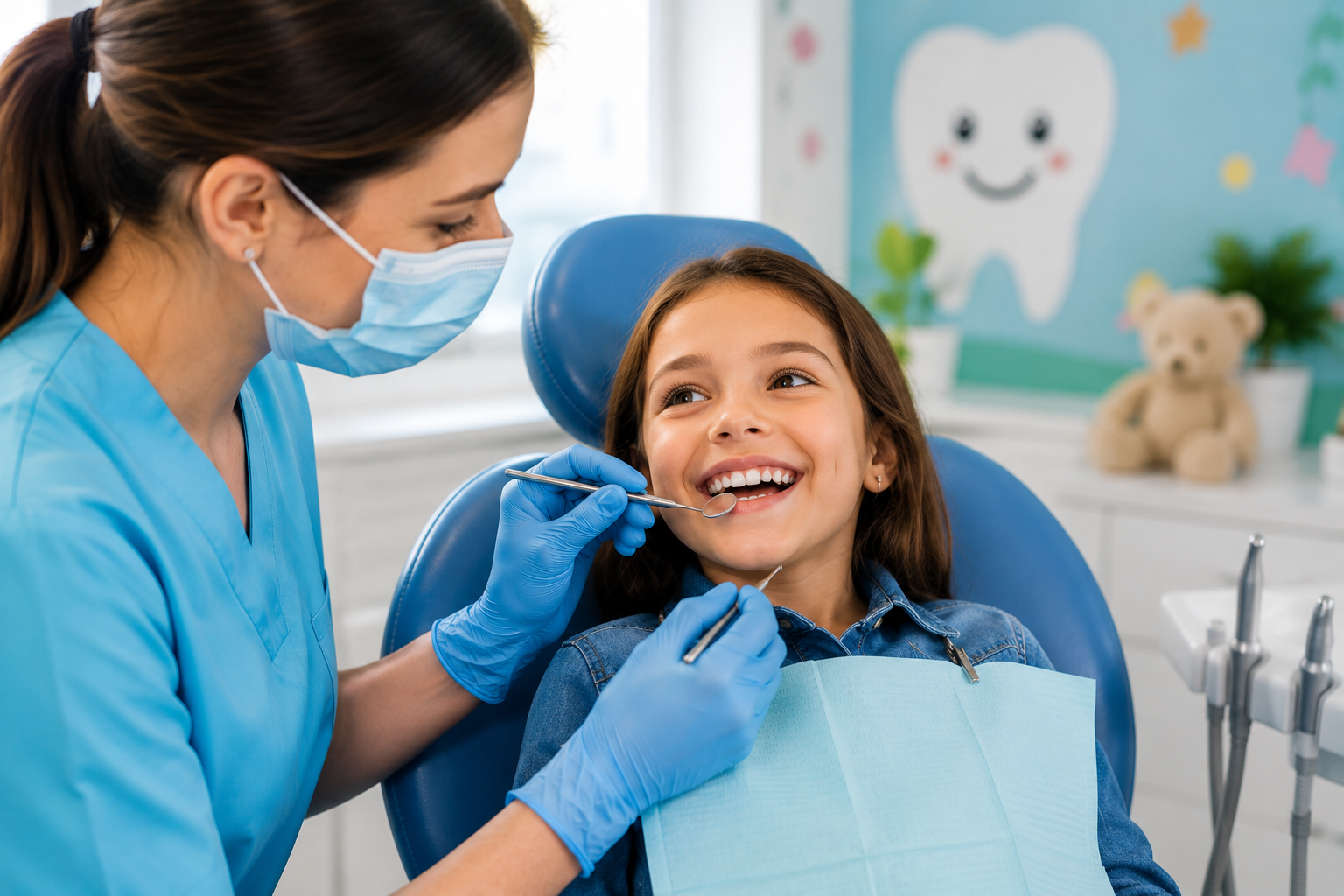
Children pick up on the emotions of the adults around them, so a calm, positive attitude about dental visits can go a long way. A dental team experienced in working with kids will often take extra time to explain things in age-appropriate ways, let children see and touch tools before they’re used, and celebrate small wins — all of which help build comfort over time.

Conclusion

Early, positive dental experiences set the stage for a lifetime of healthy habits — both for a child’s teeth and their comfort with dental care as they grow. Starting visits early, focusing on prevention, and keeping the experience positive all contribute to setting kids up for long-term success.

Frequently Asked Questions

When should my child have their first dental visit?

Most dental professionals recommend a first visit around a child’s first birthday, or within six months of their first tooth coming in.

Are baby teeth really worth treating if they’ll fall out anyway?

Yes — baby teeth support chewing, speech development, and space for permanent teeth, and untreated decay can affect a child’s comfort and the permanent teeth developing underneath.

At what age can my child start brushing on their own?

Most children need help or supervision with brushing until around age six or seven, when they typically develop the dexterity to brush thoroughly on their own.

What if my child is anxious about dental visits?

A dental team experienced with children can help by explaining things in age-appropriate ways and taking extra time to build comfort — starting visits early also helps normalize the experience.

Are dental sealants recommended for kids?

Yes, sealants are commonly recommended for children’s molars shortly after they emerge, since these teeth have deep grooves that are prone to cavities.

Start Your Child’s Dental Journey at Love Dentistry

Dr. William Fong and our team are committed to making dental visits a positive experience for patients of all ages, including your littlest family members.

Call (360) 623-7318 or request an appointment with our Bellingham, WA team to schedule your child’s visit.

Love Dentistry
4101 Eliza Ave. Bellingham, WA 98226
(360) 623-7318

Visit Our Bellingham Blog

Dentist in Bellingham, WA

Professional Teeth Whitening Options at Love Dentistry

June 23, 2026

A brighter smile is one of the most requested cosmetic improvements, and for good reason — it’s often one of the first things people notice, […]

Porcelain Veneers vs. Dental Bonding: Which Is Right for You?

June 23, 2026

When it comes to addressing chips, gaps, discoloration, or minor shape issues with your teeth, two of the most common cosmetic options are porcelain veneers […]

Children’s Dentistry in Magna: Building Healthy Habits from the Start

June 23, 2026

A child’s relationship with dental care starts long before they can brush their own teeth. From the first visit to the dentist through the years […]