

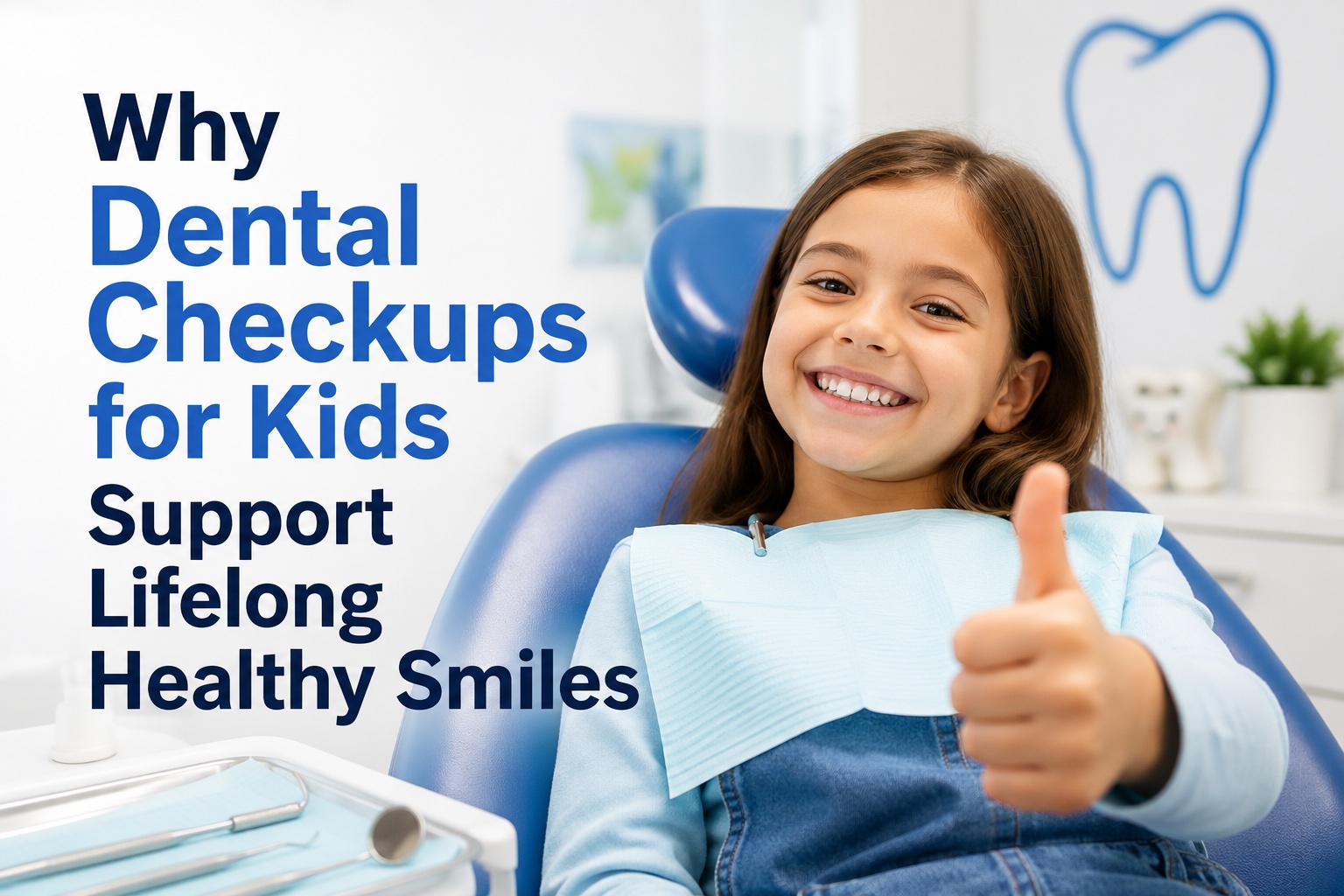
Why Dental Checkups for Kids Are Essential for Lifelong Healthy Smiles

Dentist in Bellingham, WA

Ensuring your child’s smile stays healthy starts early, and dental checkups for kids play a crucial role in building strong oral health habits. At Love Dentistry in Bellingham, WA, we believe prevention is the foundation of a confident smile. Regular visits not only help prevent cavities but also create a positive dental experience that lasts into adulthood.

What Are Dental Checkups for Kids?

Dental checkups for kids are routine visits designed to monitor oral development, prevent dental issues, and educate both children and parents on proper oral hygiene. These visits typically include a gentle cleaning, examination, and sometimes preventive treatments like fluoride or sealants.

Preventive care, such as sealants, is often recommended during these visits because it protects the grooves of back teeth where cavities commonly develop.

Benefits of Dental Checkups for Kids

Regular dental visits provide far more than just clean teeth. They create a strong foundation for overall health and confidence.

One major benefit is early cavity prevention. Dentists can identify small issues before they become bigger problems, reducing the need for more complex treatments later. Children who attend consistent dental checkups for kids are less likely to develop severe tooth decay.

Another advantage is improved oral hygiene habits. During visits, children learn how to brush and floss properly, making daily routines more effective. These habits often stay with them for life.

Dental checkups also help monitor growth and development. As teeth and jaws develop, dentists can identify alignment issues early, allowing for timely orthodontic guidance if needed.

Finally, regular visits reduce dental anxiety. When children become familiar with the dental environment, they feel more comfortable and confident during appointments.

When Should Kids Start Dental Checkups?

Children should begin dental visits by their first birthday or when their first tooth appears. Early visits allow dentists to guide parents on proper care and help children become comfortable in a dental setting.

From there, dental checkups for kids should occur every six months unless otherwise recommended. Consistency ensures that any changes in oral health are addressed quickly.

Preventive Treatments During Visits

Preventive care is a key part of pediatric dentistry. During routine visits, dentists may recommend treatments that protect your child’s teeth long-term.

Fluoride treatments strengthen enamel and help prevent cavities. Sealants, another common preventive option, are applied to molars to block bacteria and food from settling into deep grooves. Applying Silver Diamine Fluoride to help arrest carries without drilling.  These treatments are quick, painless, and highly effective in reducing decay risk.

Signs Your Child Needs a Dental Checkup

While regular visits are important, certain signs may indicate your child needs to be seen sooner:

Persistent tooth pain or sensitivity
Bleeding gums during brushing
White spots or discoloration on teeth
Difficulty chewing or biting

Addressing these concerns early can prevent more serious dental issues and keep your child comfortable.

How to Prepare Your Child for a Visit

Preparing your child for dental checkups for kids can make the experience smooth and stress-free. Talk positively about the dentist and explain what to expect in simple terms. Avoid using words that may create fear, and consider reading books or watching videos about dental visits.

Scheduling appointments at times when your child is well-rested also helps create a better experience.

Why Choose Love Dentistry in Bellingham, WA

At Love Dentistry, we focus on creating a welcoming and supportive environment for children and families. Our team understands the unique needs of young patients and takes time to ensure every visit is comfortable and educational.

We emphasize preventive care, gentle techniques, and personalized attention to help children build trust and confidence. By prioritizing dental checkups for kids, we help families maintain healthy smiles for years to come.

Conclusion

Dental checkups for kids are one of the most important steps in protecting your child’s oral health. From preventing cavities to building lifelong habits, these visits set the stage for a healthy future.

At Love Dentistry in Bellingham, WA, we are committed to making every visit positive and effective. Schedule your child’s appointment today and give them the foundation for a lifetime of confident smiles.

Frequently Asked Questions

How often should kids visit the dentist?
Children should visit the dentist every six months for regular checkups and cleanings.

Are dental checkups for kids painful?
No, routine checkups are gentle and designed to keep children comfortable throughout the visit.

What happens during a child’s dental visit?
A typical visit includes a cleaning, examination, and sometimes preventive treatments like fluoride or sealants.

Why are early dental visits important?
Early visits help prevent cavities, monitor development, and establish good oral hygiene habits.

Can dental checkups prevent cavities completely?
While they significantly reduce the risk, combining regular visits with good home care provides the best protection.
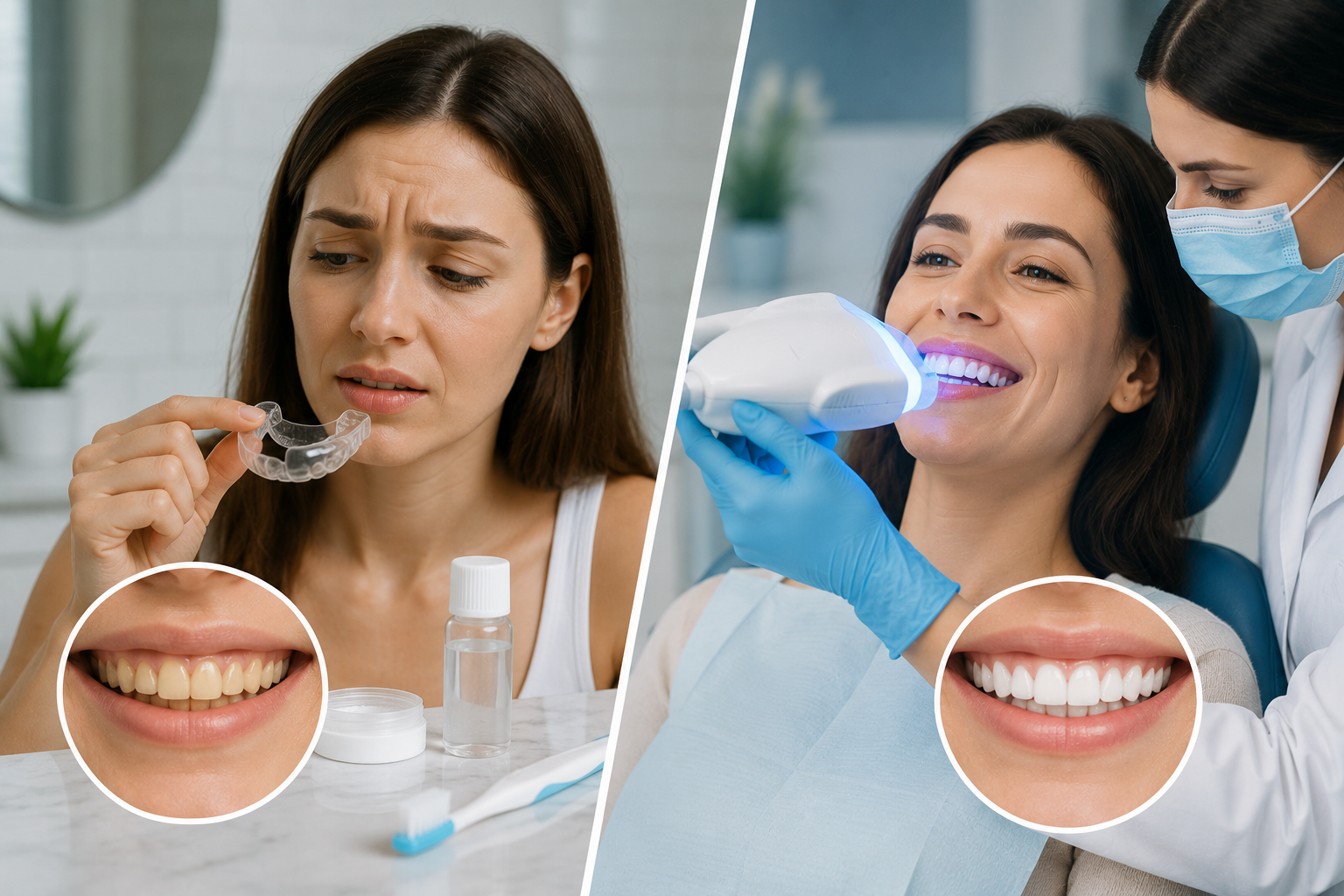
DIY vs. Professional Teeth Whitening: Which Option Is Right for Your Smile? 

Dentist in Bellingham, WA

A bright, white smile is a confidence booster, and many people seek ways to remove stains and achieve a radiant look. Discoloration can occur from a variety of factors, including coffee, tea, red wine, smoking, or simply the natural aging process. If you’re considering whitening your teeth, you’ve likely come across both DIY methods and professional treatments, each claiming to provide fast and noticeable results.

Understanding the differences between DIY and professional teeth whitening can help you make an informed decision that balances safety, effectiveness, and long-term results. It’s important to consider not only the desired shade but also the health of your teeth and gums, as some whitening methods may increase sensitivity or irritation if not used properly.

By learning about the different approaches, patients can set realistic expectations and make choices that protect their oral health while delivering the smile they desire.

Understanding DIY Teeth Whitening

DIY teeth whitening refers to over-the-counter products and home remedies designed to lighten teeth. These include whitening strips, gels, toothpaste, and even natural solutions like baking soda or activated charcoal.

The advantages of DIY whitening are convenience and lower cost. Many products are easy to use at home and don’t require a dental visit. They can be effective for minor surface stains caused by coffee, tea, or smoking.

However, DIY methods come with limitations. Over-the-counter products typically have lower concentrations of whitening agents, which means results may take longer and may be less dramatic. Additionally, incorrect use of these products can lead to tooth sensitivity, gum irritation, or uneven whitening. Natural remedies, while popular, are not always backed by scientific evidence and may even damage enamel if used excessively.

Professional Teeth Whitening

Professional whitening is performed under the supervision of a dentist and involves stronger bleaching agents than over-the-counter products. Treatments can be done in-office or with dentist-provided custom trays for at-home use.

The benefits of professional whitening include faster, more predictable results and reduced risk of complications. Dentists can tailor the treatment to your teeth, ensuring even whitening and protecting sensitive areas and gums. Professional treatments are particularly effective for deep stains caused by medications, aging, or intrinsic discoloration that DIY methods may not address.

Additionally, dentists can monitor your oral health before, during, and after the whitening process. This ensures that any underlying issues, such as sensitivity, cavities or gum disease, are addressed prior to treatment, which improves safety and long-term results.

Comparing DIY vs. Professional Teeth Whitening

When deciding between DIY vs. professional teeth whitening, consider several key factors:

  1. Effectiveness: Professional treatments provide more noticeable and longer-lasting results. DIY options work best for minor stains but may require repeated use.
  2. Safety: Supervised whitening reduces the risk of over-bleaching and gum irritation. DIY products can cause sensitivity if used improperly.
  3. Cost: DIY options are generally less expensive upfront, but repeated treatments may add up over time. Professional whitening is costlier but often more efficient.
  4. Convenience: DIY treatments are easy to use at home, while professional treatments may require appointments or custom trays.

Ultimately, the choice depends on your oral health, the type of stains you have, and your desired results. Consulting a dentist is the safest way to determine which approach is right for you.

Tips for Safe Teeth Whitening

Regardless of the method you choose, follow these tips to protect your teeth and gums:

  • Avoid excessive use of whitening products. Follow the recommended duration and frequency.
  • Maintain good oral hygiene by brushing, flossing, and using mouthwash.
  • Limit staining foods and beverages like coffee, tea, red wine, and dark sauces.
  • Consider professional advice before trying high-concentration whitening gels at home.

Conclusion

Both DIY and professional teeth whitening have their advantages, but understanding the differences can help you achieve a brighter smile safely and effectively. DIY methods are convenient and affordable for minor stains, but professional whitening offers faster, more predictable results with lower risk of complications.

At Love Dentistry in Bellingham, WA, we help patients weigh the benefits of DIY vs. professional teeth whitening and recommend the most suitable approach based on individual oral health and cosmetic goals. A well-informed decision ensures not only a radiant smile but also long-term dental health.

Frequently Asked Questions

1. Can DIY teeth whitening damage my teeth?
Yes, overuse or incorrect application of whitening products can cause enamel erosion, gum irritation, and increased tooth sensitivity.

2. How long do professional whitening results last?
Professional whitening typically lasts longer than DIY treatments, often up to 1–2 years, depending on lifestyle and oral hygiene habits.

3. Are professional whitening treatments safe for sensitive teeth?
Yes. Dentists can use techniques and products that minimize sensitivity while still achieving effective results.

4. Can I combine DIY and professional treatments?
It’s best to consult your dentist before combining treatments. Improper combination may increase sensitivity or damage enamel.

5. How often should I whiten my teeth?
Frequency depends on the method and your dental health. Professional advice ensures safe timing between treatments to maintain results without harming enamel.

Love Dentistry
4101 Eliza Ave. Bellingham, WA 98226
(360) 623-7318

Visit Our Bellingham Blog

Dentist in Bellingham, WA

Gum Disease Prevention: How to Protect Your Smile for Life

May 30, 2026

Healthy gums are the foundation of a strong, beautiful smile. Without proper care, gum disease can develop and lead to serious dental issues, including tooth […]

Handling Tooth Abscess Emergencies: A Guide

May 27, 2026

A tooth abscess is a serious dental infection that requires immediate attention. It can develop quickly and, if untreated, may spread to surrounding tissues or […]

Best Foods for Healthy Teeth: What to Eat for a Stronger Smile

May 25, 2026

Your diet plays a major role in maintaining a healthy smile. Choosing the right foods can strengthen enamel, support gum health, and reduce the risk […]