

How to Prevent Gum Disease Before It Starts

Dentist in Bellingham, WA

Your gums are the foundation of your smile, yet they’re often overlooked until problems arise—learn how to prevent gum disease early.

Gum disease affects nearly half of adults over 30, but here’s the empowering truth: it’s largely preventable. This guide will equip you with actionable strategies to protect your gums and maintain optimal oral health for life.

The Silent Threat to Your Smile

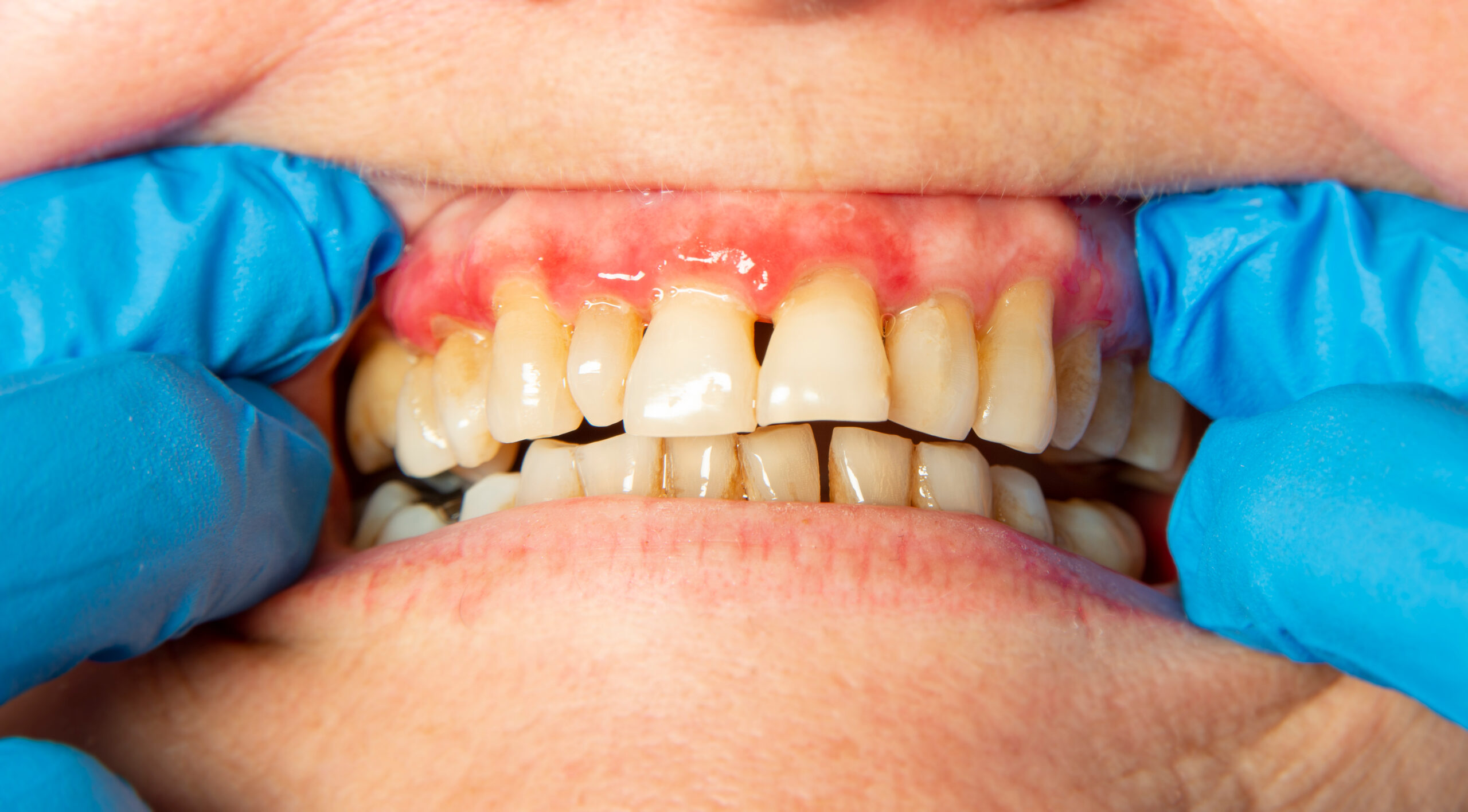
Gum disease begins quietly. It starts as gingivitis—characterized by red, swollen gums that bleed during brushing—and can progress to periodontitis, where the bone supporting your teeth deteriorates. The consequences extend beyond your mouth: research links advanced gum disease to heart disease, diabetes complications, and respiratory issues.

The good news? When you understand the risk factors and implement preventive measures early, you can stop gum disease before it ever takes hold.

The Foundation: Daily Habits That Transform Your Gum Health

Prevention starts with consistency. Your daily routine creates either a protective barrier or an invitation for bacterial invasion.

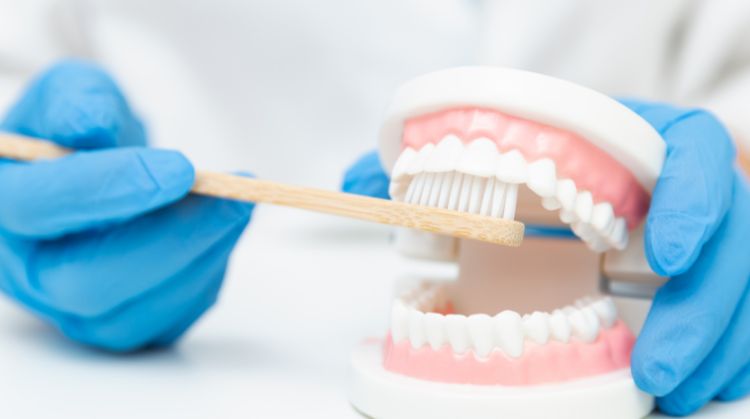
  • Master the two-minute rule: Brush twice daily for a full two minutes using soft-bristled brushes and fluoride toothpaste. Angle your brush at a 45-degree angle toward the gumline, using gentle circular motions. Aggressive brushing can damage gum tissue; consider a gentle circular massage instead of scrubbing.
  • Floss like your smile depends on it—because it does: Plaque accumulates in areas where your toothbrush can’t reach, particularly between teeth and below the gum line. Floss at least once daily, gently curving it around each tooth in a C-shape. If traditional floss feels awkward, try floss picks, water flossers, or interdental brushes to find your preferred method of cleaning.
  • Rinse strategically: Antimicrobial mouthwash reduces bacteria that cause gum inflammation. 

Choose alcohol-free formulas to avoid drying out your mouth, which can actually increase bacterial growth. Rinse for 30 seconds after brushing and flossing to maximize the effectiveness of your oral care routine.

How to Prevent Gum Disease Through Nutrition

Your diet has a direct impact on gum health in ways that may come as a surprise. What you eat either strengthens your body’s defenses or feeds harmful bacteria.

Load your plate with vitamin C-rich foods, such as citrus fruits, berries, and bell peppers. Vitamin C strengthens gum tissue and boosts your immune response against infection. Calcium and vitamin D from dairy products, leafy greens, and fortified foods build strong bones that support healthy teeth.

Crunchy vegetables, such as carrots and celery, act as natural toothbrushes, stimulating the gums and removing food particles. Meanwhile, omega-3 fatty acids found in fish, walnuts, and flaxseeds help reduce inflammation throughout the body, including the gums.

Limit sugar and refined carbohydrates. Harmful bacteria thrive on sugar, producing acids that attack both teeth and gums. When you do indulge, rinse your mouth with water afterward and wait 30 minutes before brushing to prevent the acid from spreading across your teeth.

The Professional Partnership

Home care is essential, but professional dental care completes your prevention strategy. Regular cleanings remove tartar—hardened plaque that cannot be eliminated with brushing alone. Tartar buildup is the primary pathway to gum disease.

Schedule dental checkups every six months, or more frequently as recommended by your dentist. During these visits, your dental team can identify early warning signs you might miss and provide deep cleanings that reset your oral health baseline.

Don’t wait for pain to prompt a visit to the dentist. Gum disease often progresses without discomfort until it reaches advanced stages. Preventive visits catch issues when they’re easiest and least expensive to treat.

Lifestyle Factors That Make or Break Gum Health

Your habits outside the bathroom mirror matter tremendously.

  • Quit smoking immediately: Tobacco use is one of the most significant risk factors for gum disease. It weakens your immune system, reduces blood flow to gums, and makes healing nearly impossible. If you smoke, quitting is the single most impactful decision you can make for your gum health.
  • Manage stress effectively: Chronic stress elevates cortisol levels, which suppresses your immune system and increases inflammation. This makes your gums more vulnerable to infection. Incorporate stress-reduction techniques like exercise, meditation, or hobbies you enjoy.
  • Stay hydrated: Saliva is your mouth’s natural defense system, washing away food particles and neutralizing acids that can cause damage to your teeth. Drink plenty of water throughout the day, especially if you take medications that cause dry mouth.

Why Love Dentistry

At Love Dentistry, we believe prevention is the ultimate expression of dental care. Our team combines cutting-edge technology with a genuinely personalized approach to help you maintain healthy gums for life.

We don’t just clean teeth—we educate and empower our patients. During your visits, we take the time to assess your unique risk factors, demonstrate proper techniques, and create customized prevention plans tailored to your lifestyle. Our gentle, thorough cleanings remove buildup that home care misses, while our comprehensive exams catch potential issues before they become problems.

Conclusion

Preventing gum disease isn’t complicated, but it does require commitment. By implementing these evidence-based strategies—maintaining meticulous home care, eating a nutrient-rich diet, visiting your dentist regularly, and making healthy lifestyle choices—you’re investing in decades of confident smiles and overall wellness.

The time to act is now, before symptoms appear. Healthy gums don’t just happen; they’re cultivated through consistent, informed choices. Your future self will thank you for the effort you invest today.

Don’t leave your gum health to chance. Contact Love Dentistry to schedule your evaluation and cleaning today. Let us help you build the strong foundation for a lifetime of healthy, beautiful smiles.

Frequently Asked Questions

  1. How do I know if I have gum disease? 

Early signs include bleeding gums when brushing or flossing, persistent bad breath, gum recession, and gums that appear red or swollen. However, gum disease can progress without apparent symptoms, making regular dental checkups essential for early detection.

  1. Can gum disease be reversed? 

Gingivitis, the earliest stage, is completely reversible with improved oral hygiene and professional cleaning. Once it progresses to periodontitis with bone loss, the damage cannot be fully reversed, but progression can be stopped and managed with proper treatment and maintenance.

  1. How often should I replace my toothbrush? 

Replace your toothbrush every three to four months, or sooner if the bristles become frayed. After recovering from illness, immediately replace your toothbrush to avoid reintroducing bacteria to your mouth.

  1. Is an electric toothbrush better for preventing gum disease? 

Studies show electric toothbrushes with oscillating heads can be more effective at removing plaque and reducing gingivitis compared to manual brushing. However, proper technique matters more than the type of brush you use.

  1. Can I prevent gum disease if it runs in my family? 

While genetics play a role, you can significantly reduce your risk by practicing diligent oral hygiene, undergoing regular professional care every 3-6 months, and adopting a healthy lifestyle. Inform your dentist about your family history so they can provide enhanced monitoring and preventive care.

How Long Do Dental Crowns Last: Everything You Need to Know

Dentist in Bellingham, WA

How long do dental crowns last is a common question, and dental crowns are among the most effective solutions in restorative dentistry, helping restore damaged or weakened teeth while maintaining their natural appearance and function. If you’re considering a crown or already have one, understanding its lifespan and care requirements is essential for protecting your investment and maintaining optimal oral health.

Understanding Dental Crowns

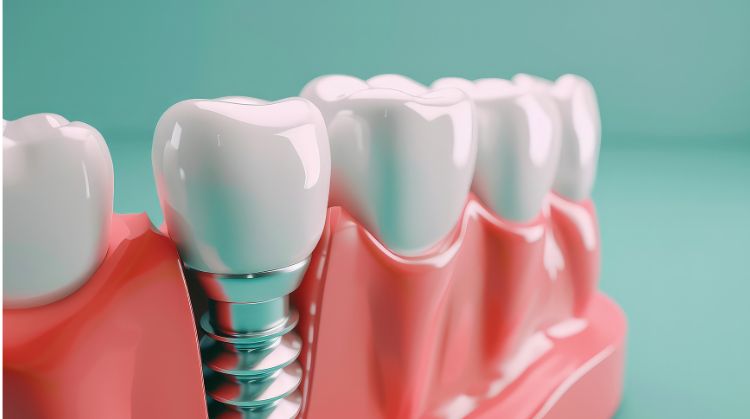
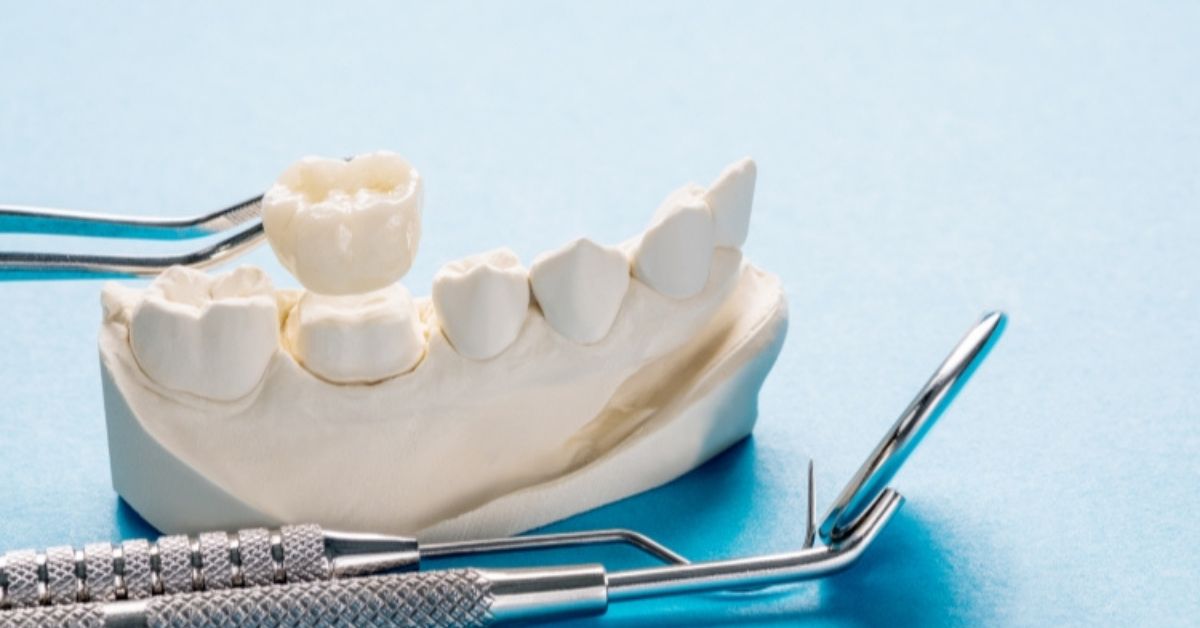
A dental crown is a custom-made cap that completely covers a damaged tooth, restoring its shape, size, strength, and appearance. Crowns serve multiple purposes: protecting teeth after root canal therapy, holding together cracked teeth, replacing large fillings, covering dental implants, supporting bridges, or enhancing the appearance of severely discolored or misshapen teeth.

The process typically involves two visits. During the first appointment, your dentist prepares the tooth and takes impressions for a custom crown. A temporary crown protects your tooth while the permanent one is fabricated. During the second visit, your permanent crown is carefully fitted and cemented into place.

How Long Do Dental Crowns Last: Expected Lifespan by Material

The longevity of your dental crown depends significantly on the material used in its construction.

Porcelain-fused-to-metal crowns typically last 10 to 15 years, combining the strength of metal with the aesthetics of porcelain. They’re suitable for both front and back teeth, though the porcelain can chip over time.

All-ceramic or all-porcelain crowns offer the most natural appearance and generally last 5 to 10 years. They’re ideal for front teeth where aesthetics matter most, though they may not withstand the extreme forces on back molars.

Gold alloy crowns are the most durable option, often lasting 20 years or more. Gold is biocompatible, resistant to corrosion, and causes minimal wear to opposing teeth, making it an excellent choice for back molars despite its metallic appearance.

Zirconia crowns represent cutting-edge technology, combining exceptional strength with natural aesthetics. These crowns can last 15 years or longer and are excellent for patients who grind their teeth.

Factors That Influence Crown Longevity

Several factors beyond material choice affect how long your crown will last.

Oral hygiene habits form the foundation of crown longevity. While crowns themselves cannot decay, the natural tooth beneath remains vulnerable. Poor hygiene can lead to decay at crown margins, compromising the integrity of the entire restoration. Consistent brushing, flossing, and regular cleanings are essential.

Bite forces and grinding habits have a significant impact on durability. Bruxism places enormous pressure on crowns, leading to chips, cracks, or premature wear of the crowns. A custom nightguard can protect your investment by cushioning these forces.

Diet choices matter more than many realize. Hard foods, such as ice and nuts, can crack crowns, while sticky foods like caramels can dislodge them. Being mindful of what and how you eat can add years to your crown’s lifespan.

The quality of initial placement cannot be overstated. Proper preparation, accurate impressions, and careful cementation all contribute to long-term success. This is why choosing an experienced dental team matters tremendously.

Ready to discuss which crown material is right for you? Schedule a consultation with Love Dentistry today and let our experienced team help you make the best choice for your smile.

Warning Signs Your Crown May Need Replacement

Recognizing early warning signs enables you to address problems before they escalate into emergencies.

Sensitivity to temperature changes often indicates crown problems. If a previously comfortable crowned tooth becomes sensitive to hot or cold foods, the crown may have cracked, the cement may be failing, or decay may be developing beneath.

Visible damage such as chips, cracks, or noticeable wear should never be ignored. Even small chips can propagate into larger fractures, providing pathways for bacteria.

Pain when chewing suggests the crown may be sitting too high, the underlying tooth could be developing decay, or the crown may be cracking under pressure.

Movement or looseness is a dental emergency waiting to happen. Crowns should feel as stable as natural teeth. A loose crown allows bacteria to accumulate beneath it, putting the underlying tooth at significant risk.

Maximizing Your Crown’s Lifespan

Taking proper care of your dental crown doesn’t require extraordinary effort; it just requires consistency.

Maintain impeccable oral hygiene by brushing your teeth twice daily with a soft-bristle toothbrush and fluoride toothpaste. Pay special attention to where the crown meets your natural tooth, as this margin is particularly susceptible to damage.

Floss daily around crowned teeth with care. Slide floss gently down to the gum line, curve it around the tooth, and slide back up slowly rather than snapping it in and out.

Attend regular dental checkups every six months. Professional cleanings remove hardened plaque that home care cannot address, and examinations enable early identification of potential problems.

Protect crowns from excessive force by wearing a nightguard if you grind your teeth. If you play contact sports, wear an athletic mouthguard.

Make informed dietary choices by avoiding foods that can cause problems. Cut corn off the cob, break hard foods into smaller pieces, and skip chewing ice or hard candies.

Why Choose Love Dentistry

At Love Dentistry, we recognize that selecting a dental provider for crown placement is crucial for maintaining your oral health. Our commitment to excellence, patient comfort, and long-lasting results sets us apart.

Our experienced dental team brings years of specialized training and expertise to every crown procedure. We’ve successfully placed thousands of crowns, developing refined skills that come only from extensive experience.

We invest in state-of-the-art technology that improves accuracy and comfort. Our digital impression systems eliminate the discomfort of traditional molds, providing precise measurements that result in better-fitting crowns.

Quality materials matter tremendously, which is why we partner exclusively with reputable dental laboratories that use premium materials. We never compromise on quality to reduce costs.

Patient comfort remains our top priority. We offer sedation options for anxious patients, use gentle techniques, and take time to explain each step.

Transparent communication about costs, treatment options, and expectations builds trust. We discuss all suitable materials, explain pros and cons, and provide accurate cost estimates upfront.

Conclusion

Dental crowns offer durable solutions that can last 5 to 20 years or more with proper care. The lifespan depends on material selection, oral hygiene habits, lifestyle choices, and the quality of placement.

By understanding what influences crown longevity and committing to consistent preventive care, you can maximize your investment in dental health. Regular dental visits, excellent home care, protective measures, and prompt attention to concerns form the foundation of crown success.

At Love Dentistry, we’re passionate about helping patients achieve healthy, beautiful smiles through expert crown services delivered with compassion and precision. We invite you to experience the difference that expertise and genuine care make in your dental journey.

Don’t wait until a dental problem becomes an emergency. Contact Love Dentistry today to schedule your evaluation and discover how our crown services can restore your smile.

Frequently Asked Questions

  1. Can dental crowns fall off? 

Yes, though it’s uncommon when properly placed. Crowns can become dislodged due to cement failure, decay beneath the crown, or trauma. If your crown falls off, save it and contact your dentist as soon as possible.

  1. Do crowns require special cleaning techniques? 

No special tools are needed. Brush twice daily, floss once daily, and maintain regular dental cleanings. Pay extra attention to where the crown meets your natural tooth.

  1. Will my crowned tooth still be sensitive? 

Some temporary sensitivity after placement is standard and typically subsides within a few weeks. Persistent or sudden sensitivity requires a dental appointment.

  1. Can I get a cavity on a tooth with a crown? 

While the crown material cannot decay, the natural tooth beneath and around it remains susceptible to decay. Meticulous oral hygiene around crowned teeth is essential.

  1. How do I know when my crown needs to be replaced? 

Signs include persistent pain, visible damage, restricted movement, gum irritation, or changes in bite. Regular dental checkups enable your dentist to monitor the condition of your crown.

Love Dentistry
4101 Eliza Ave. Bellingham, WA 98226
(360) 623-7318

Visit Our Bellingham Blog

Dentist in Bellingham, WA

How to Prevent Gum Disease Before It Starts

January 7, 2026

Your gums are the foundation of your smile, yet they’re often overlooked until problems arise—learn how to prevent gum disease early. Gum disease affects nearly […]

How Long Do Dental Crowns Last: Everything You Need to Know

January 5, 2026

How long do dental crowns last is a common question, and dental crowns are among the most effective solutions in restorative dentistry, helping restore damaged […]

5 Essential Dental Treatment Options to Restore Your Oral Health

September 8, 2025

Your smile is often the first thing people notice about you, yet many of us neglect our oral health until problems become painful or visible. […]