
How to Clean Dentures: The Complete Step-by-Step Guide

Dentist in Bellingham, WA

Dentures are a life-changing solution for missing teeth, restoring your smile and confidence. However, maintaining them requires dedication and proper care. Unlike natural teeth, dentures demand a specific cleaning routine to ensure longevity, comfort, and hygiene. 

Here at Love Dentistry in Bellingham, WA, we’ve helped countless patients understand that proper denture maintenance isn’t just about cleanliness—it’s about protecting your investment and oral health.

Understanding Your Dentures: Why Proper Care Matters

Your dentures are precision dental appliances made from delicate acrylic materials and metal components. Without proper cleaning, they can develop stubborn stains, harbor harmful bacteria, and develop an unpleasant odor. Additionally, improper cleaning techniques can scratch the denture surface, damage the denture base, or weaken the clasps that hold partial dentures in place.

The good news? Cleaning dentures is straightforward when you follow the proper process. Let’s walk you through everything you need to know.

How to Clean Dentures: Your Daily Routine

Daily Cleaning Steps

  • Handle your dentures with care over a towel to prevent accidental drops
  • Rinse your dentures under lukewarm running water after eating
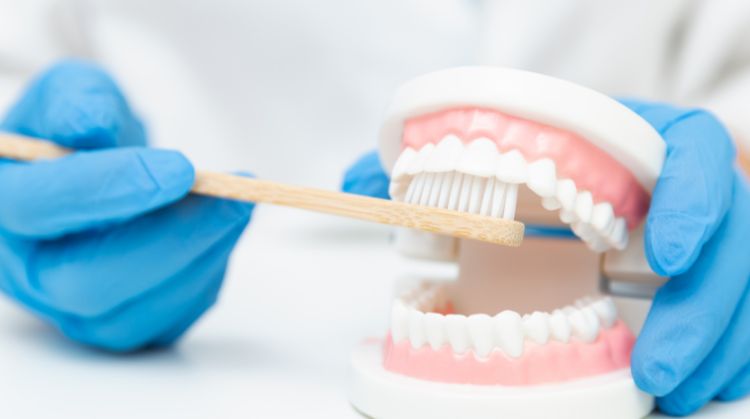
  • Apply a specialized denture cleanser to a soft-bristle denture brush
  • Gently brush all surfaces, including the tissue-facing side, clasps, and any textured areas
  • Rinse thoroughly under running water until all cleanser residue is gone
  • Use a separate soft toothbrush to gently clean your natural teeth and gums if you have a partial denture
  • Soak your dentures overnight in a denture cleaning solution to remove stubborn debris

The Overnight Soak: Your Secret to Sparkling Dentures

The overnight soak is one of the most critical steps many patients overlook. This process rehydrates the denture material, removes deep stains, and eliminates bacteria that brushing alone cannot reach.

Start by filling a denture cup with lukewarm water and adding a denture cleaning tablet or solution as directed on the package. Submerge your dentures completely in the solution and leave them overnight, typically for 6-8 hours, which allows the solution to work effectively. 

When morning arrives, remove your dentures and rinse them thoroughly with clean water before reinserting them. Don’t forget to empty the soaking cup and rinse it daily to prevent bacterial buildup.

Never use boiling water, as extreme heat can warp your dentures. Always use products specifically designed for dentures, not regular toothpaste.

What to Avoid: Common Denture Cleaning Mistakes

Your dentures are investment pieces that deserve respect. Protecting them means avoiding several common mistakes that can damage your dentures and significantly shorten their lifespan.

Never use abrasive cleaners or stiff brushes, as they can scratch the delicate surface of your dentures. Avoid soaking dentures in bleach or other harsh chemicals, as this can irreversibly damage the denture material. 

Don’t leave dentures to dry out completely for extended periods, as this can cause cracking and warping. Hot water is another culprit—it warps the acrylic material and compromises the fit of your dentures. Finally, if you have a partial denture, don’t forget to brush your natural gums and remaining teeth daily, as these need their own dedicated care routine.

Don’t struggle with denture care alone—schedule your denture consultation with Love Dentistry today to learn professional tips and tricks that will transform your daily routine.

Handling Stubborn Stains and Odors

Despite your best efforts, dentures sometimes develop stubborn stains from coffee, tea, red wine, or tobacco. If regular cleaning isn’t enough, consider these solutions:

Use specialized denture whitening tablets explicitly designed for acrylic materials—these are gentler and more effective than household products. 

You can also try a mixture of baking soda and water for mild stains, which works naturally without damaging your dentures. Allowing your dentures to soak longer in your regular cleaning solution sometimes does the trick for particularly stubborn discoloration. Avoid home remedies like vinegar, which can damage denture materials over time despite popular recommendations online.

For persistent odor issues, consistent overnight soaking in a quality denture solution is your best defense. If problems persist after these solutions, contact Love Dentistry in Bellingham, WA—we can professionally clean and polish your dentures to restore their appearance and eliminate odors.

Your Denture Care Kit: What You’ll Need

Investing in the right supplies makes maintenance simple and effective:

  • Soft-bristled denture brush (specifically designed for dentures)
  • Denture cleaning solution or tablets
  • Denture cup for soaking
  • Lukewarm water source
  • Soft cloth for drying

Why Choose Love Dentistry

At Love Dentistry in Bellingham, WA, we understand that denture care is more than just a daily routine—it’s part of maintaining your quality of life. Our experienced team has spent years helping patients achieve perfect denture fit and longevity through education and professional support.

What sets us apart is our comprehensive approach to denture care. We provide personalized denture-cleaning instructions at every appointment, ensuring you understand exactly how to care for your appliance. Our team performs professional denture cleaning and polishing services that restore your dentures to like-new condition. 

We offer routine denture adjustments to ensure a perfect fit and comfort as your mouth naturally changes over time. We’re committed to answering all your denture care questions without judgment, because we believe informed patients are successful patients. We’ve helped hundreds of Bellingham residents maintain their dentures with confidence and pride. Whether you’re new to dentures or have worn them for years, our team can help optimize your oral health routine. 

Conclusion

Proper denture care is one of the simplest investments you can make in your oral health and overall quality of life. By following this complete step-by-step guide, you’ll keep your dentures clean, comfortable, and looking their absolute best for years to come.

Remember, your dentures work hard for you every single day—they deserve the best care possible. The routine becomes second nature within weeks, and the benefits are immediately noticeable: fresher breath, whiter teeth, and improved comfort.

Ready to take your denture care to the next level? Contact Love Dentistry in Bellingham, WA, today for professional denture cleaning, adjustments, and expert guidance. Our compassionate team is here to ensure your dentures serve you perfectly. Call us or visit our office now to schedule your appointment and discover the Love Dentistry difference.

Frequently Asked Questions About Denture Cleaning

  1. How often should I clean my dentures? 

Clean your dentures at least twice daily—after meals and before bed. A quick rinse after eating and a thorough brushing in the evening keep them fresh and hygienic.

  1. Can I use regular toothpaste on my dentures? 

No. Regular toothpaste is too abrasive for denture materials and can scratch their surfaces. Always use denture-specific cleansers.

  1. What’s the best denture cleaning solution? 

Quality denture tablets work well for most patients. Look for products that are gentle, effective, and odor-eliminating. Your Love Dentistry team can recommend products suited to your specific needs.

  1. How long do dentures last with proper care? 

Well-maintained dentures typically last 5-8 years. Regular professional adjustments and cleanings significantly extend their lifespan.

  1. What should I do if my dentures develop a crack? 

Never attempt to repair cracked dentures at home. Bring them to Love Dentistry in Bellingham, WA, for professional repair to avoid further damage.
Are Dental Implants Worth It: What You Need to Know Before Deciding

Dentist in Bellingham, WA

Missing teeth affects more than just your smile. They impact how you eat, speak, and feel about yourself every single day. If you’re considering dental implants in Bellingham, WA, you’re probably wondering whether the investment is truly worthwhile. This guide will help you make an informed decision about one of dentistry’s most transformative procedures.

Are Dental Implants Worth It? Breaking Down the Real Value

When weighing whether dental implants are worth the investment, consider what you’re actually getting. This isn’t just about replacing a tooth; it’s about reclaiming your quality of life.

Longevity That Pays Off

Although the upfront cost of dental implants is higher than that of other options, they’re designed to last 25 years or more. Bridges typically need replacement every 7-10 years, and dentures require adjustments and replacements every 5-8 years. When you calculate the lifetime cost, implants often become the most economical choice.

Preserving Your Jawbone

Here’s something most people don’t realize: when you lose a tooth, your jawbone begins to deteriorate. Within the first year, you can lose 25% of the bone width in that area. Dental implants are the only tooth replacement option that stimulates bone growth and prevents this deterioration, maintaining your facial structure and preventing that sunken appearance associated with tooth loss.

Eating Without Limitations

Imagine biting into an apple without worry, enjoying corn on the cob at summer barbecues, or confidently chewing steak at your favorite restaurant. Dental implants restore 80-90% of your natural chewing power, compared to dentures, which only provide about 25%. You’ll never need to avoid certain foods or experience embarrassing slippage again.

Confidence That Changes Everything

The Psychological Impact of Missing Teeth Runs Deep. Patients report avoiding social situations, covering their mouths when they laugh, and feeling years older than they are. After getting implants, many describe feeling like themselves again, experiencing renewed confidence in personal and professional settings.

The Investment: What Makes Implants Different

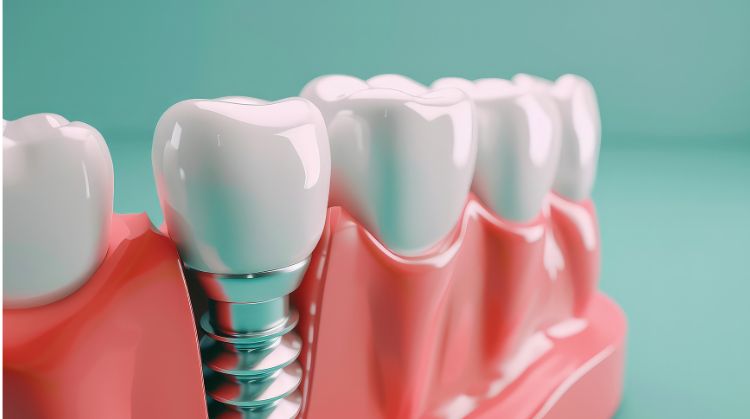
The cost of dental implants reflects the sophisticated materials, precision technology, and specialized expertise required for their development and implementation. You’re paying for biocompatible titanium that integrates with your body, custom-fabricated crowns designed specifically for your mouth, and a surgical procedure performed by trained professionals.

Most importantly, you’re investing in a solution that won’t need constant maintenance, adjustments, or replacements. There’s no special adhesive to buy, no nightly removal routine, and no dietary restrictions. Your implants become part of you.

Ready to explore whether dental implants are right for you? Schedule your consultation with Love Dentistry today and discover how we can restore your smile with personalized care.

The Procedure: What to Expect

Understanding the process helps ease anxiety and sets realistic expectations. The typical implant journey involves several phases that span 3 to 6 months, although every case is unique.

First, we conduct a comprehensive evaluation, including 3D imaging, to assess your bone density and plan precise implant placement. During the surgical phase, the implant is placed into your jawbone under local anesthesia. Most patients report that the procedure is far more comfortable than anticipated, with manageable discomfort similar to a tooth extraction.

The healing period allows osseointegration to occur, typically taking 3-4 months. During this time, you’ll wear a temporary restoration so there’s no gap in your smile. Once integration is complete, we attach an abutment and place your custom crown, completing your restoration.

Why Choose Love Dentistry for Your Dental Implants

At Love Dentistry in Bellingham, WA, we understand that choosing to get dental implants is a significant decision. Our practice combines advanced technology with compassionate care, ensuring you feel supported throughout your entire journey.

We utilize state-of-the-art 3D imaging and computer-guided implant placement for optimal precision and outcomes. Our team has extensive experience in implant dentistry, having helped countless patients restore their smiles and confidence. We take time to understand your unique situation, creating customized treatment plans that align with your goals and budget.

What sets us apart is our commitment to making quality dental care accessible. We offer flexible financing options and will work with you to create a payment plan that fits your budget. Our transparent pricing means no surprises, and our warm, welcoming environment ensures you feel comfortable every step of the way.

Don’t let missing teeth hold you back any longer. Contact Love Dentistry in Bellingham, WA, and let us show you how dental implants can transform your life.

Conclusion

Dental implants represent more than a dental procedure; they’re an investment in your health, confidence, and quality of life. While the upfront cost and time commitment require careful consideration, the long-term benefits often far outweigh those of other tooth replacement options. You gain a permanent solution that preserves your bone health, restores full chewing function, and eliminates the ongoing maintenance associated with bridges and dentures.

If you’re ready to stop hiding your smile and start living without limitations, dental implants may be the answer you’ve been searching for. The decision is deeply personal, but armed with the correct information and a trusted dental partner, you can move forward with confidence.

Frequently Asked Questions

  1. How painful is the dental implant procedure?

Most patients report that dental implant surgery is much less uncomfortable than expected. We use local anesthesia during the procedure, and most people describe feeling pressure rather than pain. Post-procedure discomfort is typically manageable with over-the-counter pain medication and resolves within a few days.

  1. How long do dental implants actually last?

With proper care, including good oral hygiene and regular dental visits, dental implants can last 25 years or more. Many patients enjoy their implants for the rest of their lives. The crown may need replacement after 10-15 years due to normal wear, but the implant itself typically remains intact.

  1. Am I too old for dental implants?

Age alone is rarely a barrier to dental implants. As long as you’re in good general health and have adequate bone density, you can be a candidate at almost any age. We’ve successfully placed implants in patients well into their 80s and beyond.

  1. What if I don’t have enough bone for implants?

Insufficient bone density doesn’t necessarily disqualify you from getting implants. Bone grafting procedures can rebuild the bone structure necessary to support implants successfully. During your consultation, we’ll evaluate your bone health and discuss all available options. 

  1. Does insurance cover dental implants?

Coverage varies significantly between insurance plans. Some plans cover a portion of implant treatment, while others may not. We’ll work with your insurance provider to maximize your benefits and offer financing options to make your treatment affordable, regardless of coverage.

How Long Do Dental Crowns Last: Everything You Need to Know

Dentist in Bellingham, WA

How long do dental crowns last is a common question, and dental crowns are among the most effective solutions in restorative dentistry, helping restore damaged or weakened teeth while maintaining their natural appearance and function. If you’re considering a crown or already have one, understanding its lifespan and care requirements is essential for protecting your investment and maintaining optimal oral health.

Understanding Dental Crowns

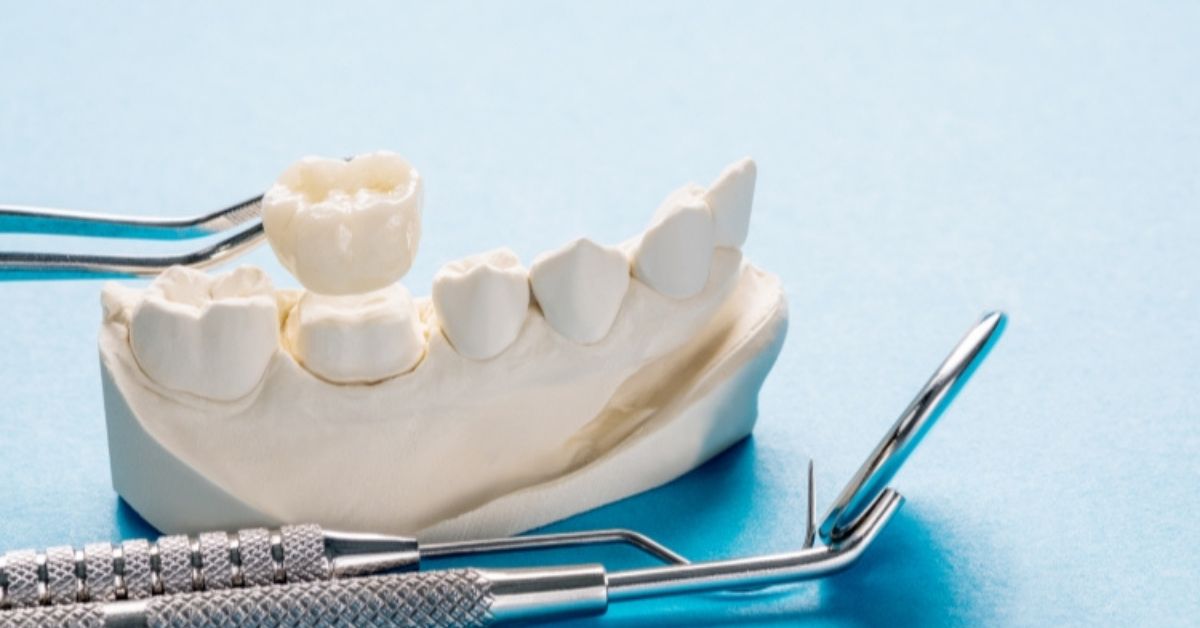
A dental crown is a custom-made cap that completely covers a damaged tooth, restoring its shape, size, strength, and appearance. Crowns serve multiple purposes: protecting teeth after root canal therapy, holding together cracked teeth, replacing large fillings, covering dental implants, supporting bridges, or enhancing the appearance of severely discolored or misshapen teeth.

The process typically involves two visits. During the first appointment, your dentist prepares the tooth and takes impressions for a custom crown. A temporary crown protects your tooth while the permanent one is fabricated. During the second visit, your permanent crown is carefully fitted and cemented into place.

How Long Do Dental Crowns Last: Expected Lifespan by Material

The longevity of your dental crown depends significantly on the material used in its construction.

Porcelain-fused-to-metal crowns typically last 10 to 15 years, combining the strength of metal with the aesthetics of porcelain. They’re suitable for both front and back teeth, though the porcelain can chip over time.

All-ceramic or all-porcelain crowns offer the most natural appearance and generally last 5 to 10 years. They’re ideal for front teeth where aesthetics matter most, though they may not withstand the extreme forces on back molars.

Gold alloy crowns are the most durable option, often lasting 20 years or more. Gold is biocompatible, resistant to corrosion, and causes minimal wear to opposing teeth, making it an excellent choice for back molars despite its metallic appearance.

Zirconia crowns represent cutting-edge technology, combining exceptional strength with natural aesthetics. These crowns can last 15 years or longer and are excellent for patients who grind their teeth.

Factors That Influence Crown Longevity

Several factors beyond material choice affect how long your crown will last.

Oral hygiene habits form the foundation of crown longevity. While crowns themselves cannot decay, the natural tooth beneath remains vulnerable. Poor hygiene can lead to decay at crown margins, compromising the integrity of the entire restoration. Consistent brushing, flossing, and regular cleanings are essential.

Bite forces and grinding habits have a significant impact on durability. Bruxism places enormous pressure on crowns, leading to chips, cracks, or premature wear of the crowns. A custom nightguard can protect your investment by cushioning these forces.

Diet choices matter more than many realize. Hard foods, such as ice and nuts, can crack crowns, while sticky foods like caramels can dislodge them. Being mindful of what and how you eat can add years to your crown’s lifespan.

The quality of initial placement cannot be overstated. Proper preparation, accurate impressions, and careful cementation all contribute to long-term success. This is why choosing an experienced dental team matters tremendously.

Ready to discuss which crown material is right for you? Schedule a consultation with Love Dentistry today and let our experienced team help you make the best choice for your smile.

Warning Signs Your Crown May Need Replacement

Recognizing early warning signs enables you to address problems before they escalate into emergencies.

Sensitivity to temperature changes often indicates crown problems. If a previously comfortable crowned tooth becomes sensitive to hot or cold foods, the crown may have cracked, the cement may be failing, or decay may be developing beneath.

Visible damage such as chips, cracks, or noticeable wear should never be ignored. Even small chips can propagate into larger fractures, providing pathways for bacteria.

Pain when chewing suggests the crown may be sitting too high, the underlying tooth could be developing decay, or the crown may be cracking under pressure.

Movement or looseness is a dental emergency waiting to happen. Crowns should feel as stable as natural teeth. A loose crown allows bacteria to accumulate beneath it, putting the underlying tooth at significant risk.

Maximizing Your Crown’s Lifespan

Taking proper care of your dental crown doesn’t require extraordinary effort; it just requires consistency.

Maintain impeccable oral hygiene by brushing your teeth twice daily with a soft-bristle toothbrush and fluoride toothpaste. Pay special attention to where the crown meets your natural tooth, as this margin is particularly susceptible to damage.

Floss daily around crowned teeth with care. Slide floss gently down to the gum line, curve it around the tooth, and slide back up slowly rather than snapping it in and out.

Attend regular dental checkups every six months. Professional cleanings remove hardened plaque that home care cannot address, and examinations enable early identification of potential problems.

Protect crowns from excessive force by wearing a nightguard if you grind your teeth. If you play contact sports, wear an athletic mouthguard.

Make informed dietary choices by avoiding foods that can cause problems. Cut corn off the cob, break hard foods into smaller pieces, and skip chewing ice or hard candies.

Why Choose Love Dentistry

At Love Dentistry, we recognize that selecting a dental provider for crown placement is crucial for maintaining your oral health. Our commitment to excellence, patient comfort, and long-lasting results sets us apart.

Our experienced dental team brings years of specialized training and expertise to every crown procedure. We’ve successfully placed thousands of crowns, developing refined skills that come only from extensive experience.

We invest in state-of-the-art technology that improves accuracy and comfort. Our digital impression systems eliminate the discomfort of traditional molds, providing precise measurements that result in better-fitting crowns.

Quality materials matter tremendously, which is why we partner exclusively with reputable dental laboratories that use premium materials. We never compromise on quality to reduce costs.

Patient comfort remains our top priority. We offer sedation options for anxious patients, use gentle techniques, and take time to explain each step.

Transparent communication about costs, treatment options, and expectations builds trust. We discuss all suitable materials, explain pros and cons, and provide accurate cost estimates upfront.

Conclusion

Dental crowns offer durable solutions that can last 5 to 20 years or more with proper care. The lifespan depends on material selection, oral hygiene habits, lifestyle choices, and the quality of placement.

By understanding what influences crown longevity and committing to consistent preventive care, you can maximize your investment in dental health. Regular dental visits, excellent home care, protective measures, and prompt attention to concerns form the foundation of crown success.

At Love Dentistry, we’re passionate about helping patients achieve healthy, beautiful smiles through expert crown services delivered with compassion and precision. We invite you to experience the difference that expertise and genuine care make in your dental journey.

Don’t wait until a dental problem becomes an emergency. Contact Love Dentistry today to schedule your evaluation and discover how our crown services can restore your smile.

Frequently Asked Questions

  1. Can dental crowns fall off? 

Yes, though it’s uncommon when properly placed. Crowns can become dislodged due to cement failure, decay beneath the crown, or trauma. If your crown falls off, save it and contact your dentist as soon as possible.

  1. Do crowns require special cleaning techniques? 

No special tools are needed. Brush twice daily, floss once daily, and maintain regular dental cleanings. Pay extra attention to where the crown meets your natural tooth.

  1. Will my crowned tooth still be sensitive? 

Some temporary sensitivity after placement is standard and typically subsides within a few weeks. Persistent or sudden sensitivity requires a dental appointment.

  1. Can I get a cavity on a tooth with a crown? 

While the crown material cannot decay, the natural tooth beneath and around it remains susceptible to decay. Meticulous oral hygiene around crowned teeth is essential.

  1. How do I know when my crown needs to be replaced? 

Signs include persistent pain, visible damage, restricted movement, gum irritation, or changes in bite. Regular dental checkups enable your dentist to monitor the condition of your crown.

What is Restorative Dentistry? Everything You Need to Know

Dentist in Bellingham, WA

Restorative dentistry is a specialized branch of dentistry that focuses on restoring the function and appearance of damaged teeth. But what is restorative dentistry really about? This article will delve into its meaning, types, procedures, and compare it with cosmetic dentistry, along with its benefits and some examples of restorative dentistry practices.

Understanding Restorative Dentistry Meaning

So, what is restorative dentistry? At its core, restorative dentistry is designed to restore the health, function, and structure of teeth that have been compromised due to decay, trauma, or wear. The goal is not just to restore the tooth to its natural condition but also to preserve its functionality and aesthetic appeal. This involves a range of techniques and materials, aimed at ensuring longevity and a natural look.

Types of Restorative Dentistry

There are various types of restorative dentistry procedures, each catering to specific dental issues. Understanding these types can help patients make informed decisions when seeking dental care.

Fillings

Dental fillings are the most common form of restorative dentistry. They are used to fill cavities caused by tooth decay, preventing further damage. Materials used in fillings can vary from amalgam and composite resin to gold.

Crowns

Crowns are caps placed over damaged teeth to restore their shape, strength, and appearance. They are often employed when a tooth has undergone significant decay or trauma. Crowns can be made from various materials, including porcelain, ceramics, and metals.

Bridges

Dental bridges are used to replace one or more missing teeth. They span the gap created by missing teeth, anchoring to adjacent healthy teeth. This not only improves aesthetics but also helps maintain the alignment of the remaining teeth.

Implants

Dental implants are a more advanced restorative dentistry procedure for replacing missing teeth. These are titanium posts surgically placed into the jawbone, acting as roots for artificial teeth. Implants offer a permanent solution for tooth loss and boast a high success rate.

Dentures

Dentures are removable appliances designed to replace missing teeth. They can be partial or complete, depending on how many teeth need replacing. Modern dentures are comfortable and natural-looking, making them a popular choice among those who have lost multiple teeth. 

Implant-supported dentures are a type of removable dental appliance that is anchored to the jawbone using dental implants. They provide a more stable and secure fit compared to traditional dentures, which rest on the gums. Implant-supported dentures improve stability, as well as enhance chewing and speaking functions.

Restorative Dentistry vs Cosmetic Dentistry

It’s crucial to differentiate between restorative dentistry and cosmetic dentistry, as many people often confuse the two.

While restorative dentistry focuses on restoring function and health, cosmetic dentistry is more about enhancing the appearance of teeth. For instance, procedures like teeth whitening or veneers are primarily cosmetic, aimed at improving the aesthetic look rather than addressing functional issues.

In short, restorative dentistry deals with the health and functionality of teeth, while cosmetic dentistry is centered around their appearance.

Benefits of Restorative Dentistry

Opting for restorative dentistry offers numerous benefits that go beyond just fixing dental issues. Here are some of the key advantages:

  1. Improved Oral Health: Restorative procedures help eliminate pain from decay and damage, contributing to better oral health.
  2. Enhanced Functionality: Restoring damaged teeth improves your ability to chew, speak, and smile with confidence.
  3. Prevent Further Damage: By addressing existing issues promptly, restorative dentistry prevents potential complications that could arise later.
  4. Long-lasting Solutions: Many restorative dentistry procedures, especially advanced restorative dentistry techniques like implants and crowns, offer durable solutions that last many years, sometimes even a lifetime.

Examples of Restorative Dentistry

Examples of restorative dentistry can be found in everyday dental practices. For instance, a patient with a cracked tooth might receive a crown to restore its strength. Someone with multiple missing teeth could benefit from dental implants or bridges. Even root canal treatments fall under the umbrella of restorative procedures as they save a tooth from extraction.

Advanced Restorative Dentistry

The field of restorative dentistry has evolved significantly with the advancements in technology and materials. Advanced restorative dentistry integrates cutting-edge techniques such as 3D imaging, CAD/CAM systems for creating precise restorations, and materials that mimic natural teeth more closely than ever.

These innovations allow for more minimally invasive procedures, shortened recovery times, and more aesthetically pleasing results, making restorative options more accessible and effective for patients.

Final Thoughts

Whether you’re considering fillings, crowns, or advanced restorative treatments like implants, restoring your smile can have a positive impact on your overall well-being. The next time you ask, “What is restorative dentistry?” remember that it encompasses a wide range of procedures designed to promote a healthy and functional smile.

Love Dentistry
4101 Eliza Ave. Bellingham, WA 98226
(360) 623-7318

Visit Our Bellingham Blog

Dentist in Bellingham, WA

The Best Ways on How to Get Rid of Bad Breath Fast

January 23, 2026

Bad breath—or halitosis—can impact your confidence, relationships, and overall quality of life. Whether you’re preparing for an important presentation, a first date, or want to […]

How to Clean Dentures: The Complete Step-by-Step Guide

January 21, 2026

Dentures are a life-changing solution for missing teeth, restoring your smile and confidence. However, maintaining them requires dedication and proper care. Unlike natural teeth, dentures […]

Do Teeth Whiteners Really Work? What Dentists Want You to Know

January 19, 2026

If you’ve ever scrolled through social media or walked down the dental aisle at your local pharmacy, you’ve probably seen countless teeth whitening products promising […]