


Are you tired of hiding your smile because of gaps between your teeth? You’re not alone. Many people struggle with diastema—the clinical term for space between teeth—and feel self-conscious about their appearance.
The good news? You don’t necessarily need years of braces to achieve the smile you’ve always wanted. Modern cosmetic dentistry offers faster, often more appealing alternatives, and veneers have become increasingly popular for closing gaps and creating picture-perfect smiles.
At Love Dentistry in Bellingham, WA, we help patients transform their smiles in ways that work with their lifestyle and goals. If you’ve been wondering whether veneers could be your answer to gaps in your teeth, this comprehensive guide will help you understand your options and why many patients choose this route.
Understanding Dental Veneers: What They Are and How They Work
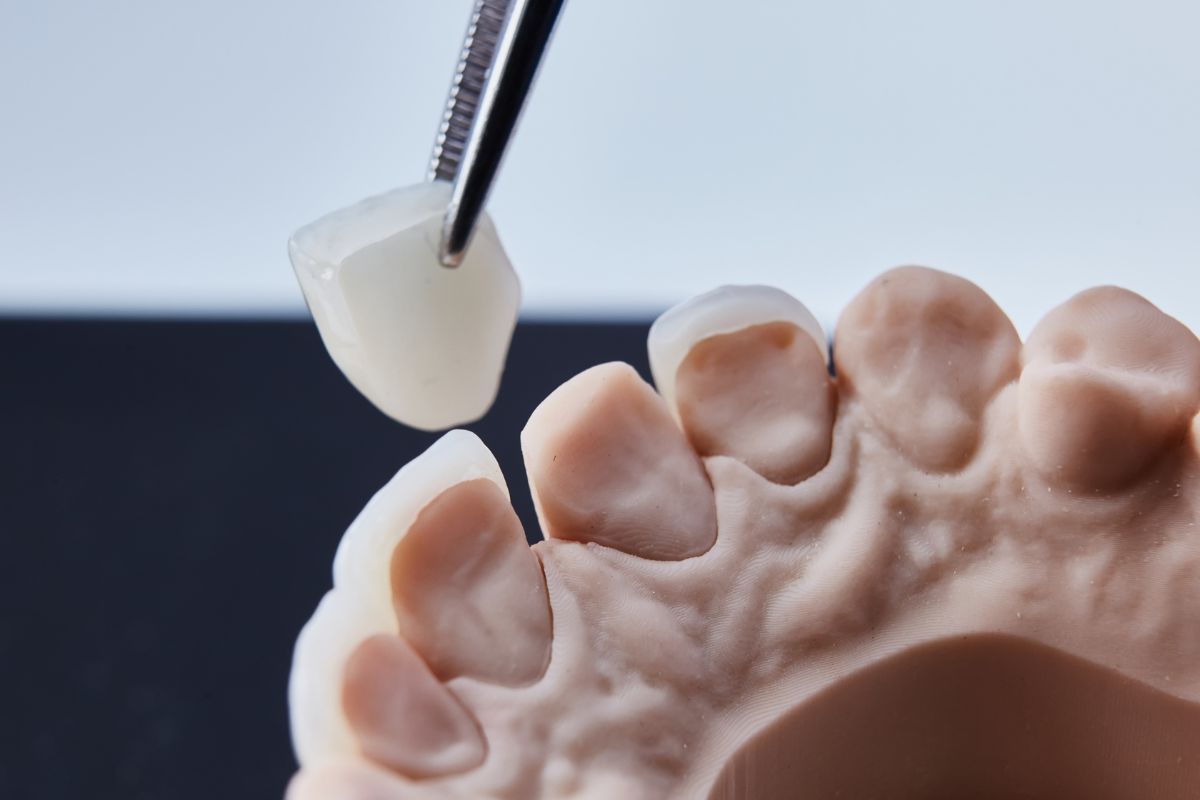
Dental veneers are thin, custom-made shells crafted from porcelain or composite resin that bond to the front surface of your teeth. Think of them as a cosmetic upgrade that covers imperfections while preserving your natural tooth structure. These shells are typically about the thickness of a contact lens, yet they’re incredibly durable and can completely transform your smile.
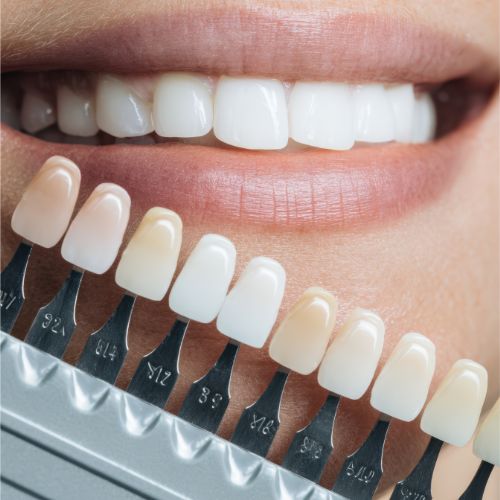
Porcelain veneers are the most popular choice among both cosmetic dentists and patients. They’re stain-resistant, mimic natural tooth translucency beautifully, and can last 10-15 years or longer with proper care. Composite veneers offer a more affordable alternative and can be applied in a single visit, though they require more maintenance and don’t last quite as long.
The beauty of veneers extends beyond gap closure. They can also correct discoloration, reshape teeth, adjust bite alignment cosmetically, and cover minor chips or cracks. This makes them a versatile solution for anyone seeking a complete smile makeover.
Can Veneers Fix Gaps Without Braces? The Answer You’ve Been Waiting For
Yes, veneers can absolutely fix gaps between your teeth without the need for braces. This is one of the most significant advantages they offer compared to traditional orthodontic treatment.
Here’s how it works: Your dentist designs custom veneers that are slightly wider than your natural teeth. When bonded to your teeth, they instantly close gaps. Instead of waiting months or years for braces to shift your teeth gradually, you can walk out of our Bellingham office with a completely transformed smile in just a few appointments.
This approach is particularly effective for small to moderate gaps. If you have a gap of 2-3mm between your front teeth, veneers create an elegant solution that looks natural and feels comfortable. The process is minimally invasive, reversible (unlike some permanent cosmetic procedures), and gives you immediate results.
The psychological impact of this fast transformation cannot be overstated. Patients often report increased confidence and improved quality of life after just weeks—not years—of treatment.
How Veneers Compare to Braces for Gap Closure
While both veneers and braces can close gaps, they work in fundamentally different ways, and each has distinct advantages and limitations.
Braces involve metal brackets, wires, and gradual tooth movement over 18-36 months. They’re highly effective for significant orthodontic issues and can correct bite problems that go beyond cosmetic concerns. However, they’re visible, require frequent adjustments, come with dietary restrictions, and demand meticulous oral hygiene. The process is lengthy, and many adults don’t want to wear braces.
Veneers offer a completely different approach. They provide immediate results, require no lifestyle modifications, are virtually invisible once applied, and work well for cosmetic gap closure. However, they require minimal tooth preparation, and while the procedure is reversible, you’ll always need some form of restoration on those teeth. Veneers also don’t address underlying bite issues that braces might correct.
The choice between veneers and braces depends on your specific situation, timeline, and goals. For purely cosmetic gap closure with no bite concerns, veneers are often the superior choice.
The Veneer Procedure: What to Expect
Understanding the process helps remove any anxiety about getting veneers. At Love Dentistry, we keep the experience straightforward and comfortable.
- First Consultation: During your initial visit, we discuss your smile goals, examine your teeth, and determine if veneers are right for you. We’ll take photos and discuss design options to ensure your new smile aligns with your expectations and facial features.
- Tooth Preparation: To accommodate the veneer shells, your dentist removes a small amount of enamel from the front of your teeth—typically less than 1mm. This is usually done without anesthesia, though we can provide it if you’re sensitive to it. This step is crucial because it allows the veneers to sit flush with your natural teeth and look completely natural.
- Temporary Veneers: While your custom veneers are being crafted in the lab, temporary veneers protect your prepared teeth and let you preview your new smile.
- Permanent Placement: During your final appointment, we remove the temporaries and bond your custom porcelain veneers using dental cement. We ensure proper fit, bite alignment, and appearance before final curing. The entire process takes about 2-3 hours.
- Follow-up Care: We schedule a follow-up appointment to check your adjustment and ensure everything feels perfect.
Most patients need veneers on their front four to eight teeth to achieve a balanced, natural-looking result.
Contact Love Dentistry today to schedule a consultation. During this appointment, we’ll evaluate your teeth, discuss your goals, and show you exactly what your transformed smile could look like. There’s no obligation—just an honest conversation about achieving the smile of your dreams.
The Benefits of Choosing Veneers for Your Gap Teeth
Beyond closing gaps, veneers offer numerous advantages that explain their growing popularity.
- Speed: You achieve your new smile in weeks, not years. This rapid transformation appeals to busy professionals and anyone eager to boost their confidence quickly.
- Aesthetics: Porcelain veneers look virtually indistinguishable from natural teeth. They capture light and translucency the same way healthy teeth do, creating a result that looks naturally beautiful rather than cosmetic.
- Durability: Quality porcelain veneers last 10-15 years or longer with proper care. They resist staining from coffee, wine, and other pigmented foods and beverages far better than your natural tooth enamel.
- Minimal Tooth Alteration: Unlike crowns that require significant tooth reduction, veneers involve minimal preparation, preserving your natural tooth structure.
- Reversibility: If you ever want to remove veneers, you can, though you’ll likely need some form of restoration. This gives you flexibility.
- Comprehensive Smile Improvement: While closing gaps, veneers simultaneously whiten, reshape, and refine your entire smile, giving you a professional, polished appearance.
- No Lifestyle Changes: Unlike braces, veneers require no dietary modifications. You can enjoy popcorn, sticky candy, or any food you love without restrictions.
Why Choose Love Dentistry for Your Veneer Treatment in Bellingham
When it comes to cosmetic dentistry, the skill, experience, and artistic vision of your dentist make all the difference. At Love Dentistry in Bellingham, WA, we combine advanced training, meticulous attention to detail, and genuine care for our patients’ outcomes.
Our team understands that your smile is one of your most important features. We don’t approach veneers as just another procedure—we treat each case as an opportunity to transform how you feel about yourself. We invest time in understanding your vision, discussing realistic expectations, and designing veneers that complement your unique facial features and personal style.
We use only premium materials and the latest techniques to ensure your veneers look natural, feel comfortable, and last for years. Our dentists stay current with continuing education in cosmetic dentistry, ensuring you receive treatment that reflects the highest standards in the field.
Beyond our technical expertise, we prioritize patient comfort and communication. If you have questions, concerns, or want to adjust your design before final placement, we listen and adapt. Our Bellingham location serves the entire community, and we’re proud to have helped hundreds of patients achieve smile transformations they love. When you choose Love Dentistry, you’re choosing a partner invested in your long-term satisfaction and confidence.
Maintaining Your Veneers: Longevity and Care
Your veneers are a long-term investment, and proper care ensures they remain beautiful for years to come.
- Daily care involves brushing twice daily with a non-abrasive toothpaste and flossing gently around the veneer edges. While veneers themselves are stain-resistant, the edges where they meet your tooth can accumulate plaque, so good oral hygiene is essential.
- Avoid excessive force by not using your teeth as tools, chewing ice, or biting your nails. While veneers are durable, extreme pressure can damage them or the underlying tooth.
- Limit staining foods and beverages if you want to maintain the whitest appearance. Coffee, red wine, and dark berries can stain the edges of veneers over time, though porcelain resists staining far better than natural enamel.
- Regular dental checkups every six months allow us to monitor your veneers and address any issues early. Professional cleanings keep your teeth and veneers in optimal condition.
- Avoid smoking as it can stain veneers and compromise the seal between the veneer and your tooth.
With these simple habits, your veneers will maintain their beauty and functionality for well over a decade.
Transforming Your Smile at Love Dentistry
If you’ve been self-conscious about gaps in your smile, wondering if there’s a faster alternative to braces, the answer is within reach. Veneers offer a proven, beautiful solution that delivers immediate results without disrupting your life.
At Love Dentistry in Bellingham, WA, we’re ready to help you achieve the confident, radiant smile you deserve. Our team has guided countless patients through gap closure and complete smile transformations using custom veneers. We understand what it feels like to be self-conscious about your appearance, and we’re passionate about changing that story for you.
Don’t let another day go by feeling self-conscious about gaps in your smile. Reach out to our Bellingham office today and take the first step toward a complete smile transformation. Your new smile might be just a few weeks away.
Frequently Asked Questions
- Am I a good candidate for veneers?
Most people with healthy teeth and good oral hygiene are excellent candidates for veneers. They work best for minor cosmetic concerns such as gaps, discoloration, or slight shape irregularities. If you have severe decay, gum disease, or significant bite problems, we’ll discuss the best options during your consultation at Love Dentistry.
- Will my veneers look natural?
Yes. Custom porcelain veneers are designed to match your natural teeth in color, shape, and translucency. A skilled cosmetic dentist ensures they look like a natural part of your smile, not artificial or obviously cosmetic.
- How long does the entire process take?
From consultation to final placement typically takes 2-3 weeks. Your dentist removes enamel and places temporaries at your first appointment, and you receive permanent veneers after the lab creates them, usually 1-2 weeks later.
- Can veneers be removed?
Yes, veneers can be removed by a dentist, though it’s not a simple process. However, once you’ve had veneers, you’ll typically need a permanent restoration on those teeth, as enamel removal is irreversible.
- How long do veneers last?
Porcelain veneers typically last 10-15 years with proper care, while composite veneers last 5-7 years. Longevity depends on oral hygiene, diet, and how well you care for them. Some patients keep veneers for 20+ years with excellent maintenance.