



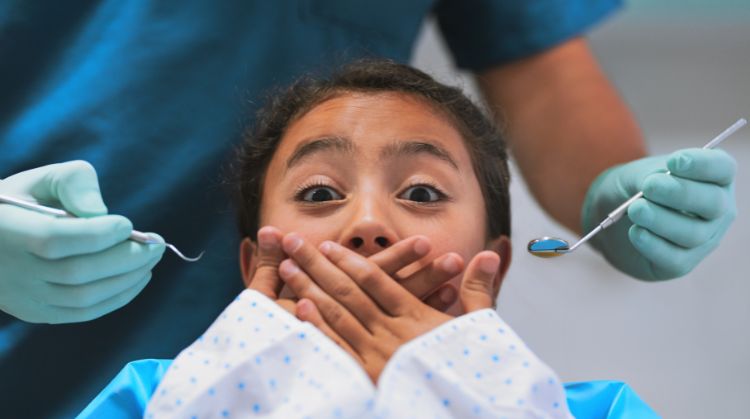
If your child breaks into tears at the mention of a dental appointment, you’re not alone. Dental anxiety in children is incredibly common, affecting nearly 20% of kids and often stemming from fear of the unknown, worry about pain, or previous negative experiences. As a parent in Bellingham, WA, you want your child to develop healthy dental habits early—and that begins with transforming their relationship with dental care.
The good news? With the right strategies and a supportive dental team, you can help your child overcome dental anxiety and even look forward to their appointments. This guide provides evidence-based techniques that actually work, combined with practical advice you can implement immediately.
Understanding Why Kids Fear the Dentist
Before you can address your child’s dental anxiety, it helps to understand where it comes from. Children often fear dental visits because of unfamiliar sounds, a sense of loss of control, taste, uncomfortable sensations in their mouths, or simply the unknown environment. They might also pick up on parental anxiety—if you seem nervous about your own dental visits, your child picks up on those cues.
Additionally, children have vivid imaginations. Without proper context, a dental office can feel intimidating and sterile, filled with unfamiliar instruments and people. The key is reframing this narrative.
Preparing Your Child Before the Appointment
Preparation is one of the most effective ways to reduce dental anxiety. Start by talking positively about dental visits weeks before the appointment. Describe what the dentist does in simple, non-threatening language: “The dentist is a doctor who helps keep your teeth strong and healthy.”
Use children’s books about dental visits to normalize the experience. Many libraries carry age-appropriate books that show friendly dentists and positive outcomes. Let your child ask questions and answer honestly without over-explaining scary details.
- Schedule morning appointments when your child is well-rested and less irritable
- Avoid using words like “shot,” “pain,” or “drill”—instead, say “cleaning,” “water spray,” or “tooth cleaner.”
- Role-play at home by letting your child be the dentist, which gives them a sense of control
Creating a Positive Home Routine
Children who see their parents practicing good dental hygiene are more likely to embrace it themselves. Make brushing and flossing fun rather than a chore. Use a timer, play their favorite song, or create a reward system for consistent brushing.
Talk about dental visits as a celebration of taking care of their body, not a punishment for poor habits. Avoid using dental visits as a threat (“If you don’t brush, the dentist will scold you”). Instead, frame it positively: “The dentist will see how great you’ve been taking care of your teeth!”
The Day of the Appointment
On the appointment day, maintain a calm, matter-of-fact demeanor. Children are incredibly perceptive and will sense if you’re anxious about how they’ll behave. Arrive a few minutes early to let your child acclimate to the environment without feeling rushed.
In the waiting room, bring a comfort item—a stuffed animal or favorite toy can provide emotional support. Let your child know you’ll be nearby during the appointment, even if you’re in the waiting room. Typically, the children do better when parents are in the waiting room.
If your child has specific concerns (such as the sound of the drill or the taste of toothpaste), mention them to the dental staff beforehand so they can address them proactively.
Schedule your child’s appointment at Love Dentistry today and let us help transform their dental experience. When you call us, mention this article for a complimentary consultation where we can address your specific concerns.
How to Stop Kids from Fearing the Dentist: Proven Strategies That Work
The most effective approach combines several strategies. First, ensure your child has a relationship with their dentist. Consistency matters—seeing the same dentist and hygienist helps build trust over time.
Ask the dentist to explain what they’re doing in kid-friendly language. A good pediatric dentist will narrate the process: “I’m going to spray a little water now to clean your tooth. It might feel cold and tingly.” This removes the mystery and gives your child a sense of control.
- Let your child bring noise-canceling headphones to listen to their favorite music
- Establish a “raise hand” signal that your child can use if they need a break
- Schedule a tour of the office before the actual appointment to familiarize them with the space
- Ask the dentist for a reward or certificate acknowledging their bravery
Another powerful technique is desensitization. Start with simple cleanings and check-ups before addressing more complex procedures. Each positive experience builds confidence and reduces anxiety for the next visit.
Praise effort, not just behavior. Instead of saying “You were so brave,” try “I noticed you sat still in the chair and let the dentist help you. That took courage.” This helps your child understand that managing anxiety is a skill they can develop.
Why Choose Love Dentistry
At Love Dentistry in Bellingham, WA, we understand that pediatric dental care requires more than clinical expertise—it requires patience, compassion, and a genuine commitment to your child’s comfort. Our team has extensive experience working with anxious children and uses gentle, evidence-based techniques to make every visit a positive experience.
We offer a welcoming environment specifically designed for families, with friendly staff trained in pediatric psychology. We take time to explain procedures in language kids understand, and we always involve parents in the process. Our goal isn’t just to treat teeth—it’s to build your child’s confidence in their dental health for life.
Conclusion
Dental anxiety in children is treatable and often preventable with the right approach. By preparing your child thoughtfully, maintaining a positive attitude, and working with a compassionate dental team, you can help them overcome fear and develop lifelong good oral health habits.
The investment you make now in reducing your child’s dental anxiety pays dividends for years to come. Children who feel supported and understood at the dentist are more likely to maintain excellent oral hygiene, avoid costly dental problems, and approach healthcare with confidence.
Remember: every child is different, and progress isn’t always linear. If your child continues to struggle with significant anxiety, talk to your dentist about additional options like nitrous oxide or other anxiety management techniques.
Contact Love Dentistry in Bellingham, WA, to discuss personalized strategies for your child’s unique needs. We’re here to partner with you in making dental care a positive part of your family’s health routine.
Frequently Asked Questions
1. At what age should my child have their first dental visit?
The American Academy of Pediatric Dentistry recommends scheduling your child’s first visit by age one or within six months of their first tooth erupting. Early visits help establish good habits and allow the dentist to monitor development.
2. How can I tell if my child has genuine dental anxiety or is just being difficult?
Dental anxiety involves physical symptoms like rapid heartbeat, sweating, or difficulty breathing, along with emotional distress. Simple resistance is different from a true anxiety disorder. A pediatric dentist can help distinguish between the two.
3. Is it okay to let my child skip dental visits if they’re extremely anxious?
No—skipping visits can lead to untreated cavities and more complex problems requiring more invasive treatment later, which can worsen anxiety. Instead, work with your dentist on gradual desensitization.
4. What should I do if my child had a bad experience at a previous dentist?
Talk openly about what happened, validate their feelings, and consider switching to a pediatric dentist experienced with anxious children. A fresh start with a supportive team can reverse negative associations.
5. Can dental anxiety in children turn into dental phobia in adults?
Yes, without intervention, childhood dental anxiety can develop into an adult phobia. However, positive experiences and proper coping strategies now can prevent this progression.