



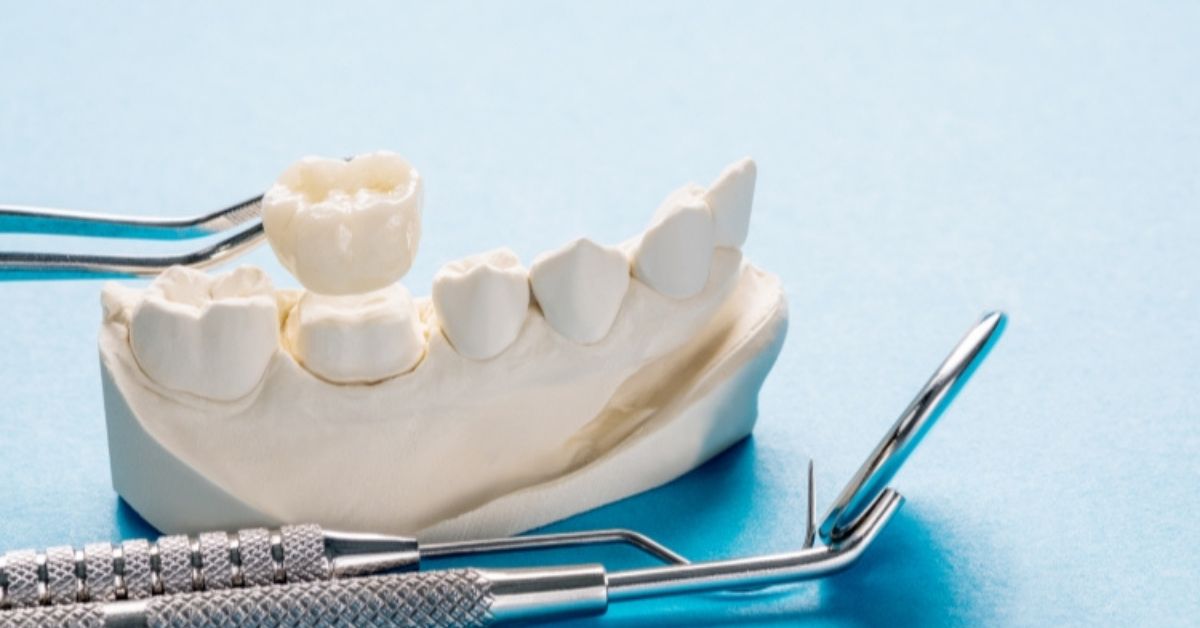
How long do dental crowns last is a common question, and dental crowns are among the most effective solutions in restorative dentistry, helping restore damaged or weakened teeth while maintaining their natural appearance and function. If you’re considering a crown or already have one, understanding its lifespan and care requirements is essential for protecting your investment and maintaining optimal oral health.
Understanding Dental Crowns
A dental crown is a custom-made cap that completely covers a damaged tooth, restoring its shape, size, strength, and appearance. Crowns serve multiple purposes: protecting teeth after root canal therapy, holding together cracked teeth, replacing large fillings, covering dental implants, supporting bridges, or enhancing the appearance of severely discolored or misshapen teeth.
The process typically involves two visits. During the first appointment, your dentist prepares the tooth and takes impressions for a custom crown. A temporary crown protects your tooth while the permanent one is fabricated. During the second visit, your permanent crown is carefully fitted and cemented into place.
How Long Do Dental Crowns Last: Expected Lifespan by Material
The longevity of your dental crown depends significantly on the material used in its construction.
Porcelain-fused-to-metal crowns typically last 10 to 15 years, combining the strength of metal with the aesthetics of porcelain. They’re suitable for both front and back teeth, though the porcelain can chip over time.
All-ceramic or all-porcelain crowns offer the most natural appearance and generally last 5 to 10 years. They’re ideal for front teeth where aesthetics matter most, though they may not withstand the extreme forces on back molars.
Gold alloy crowns are the most durable option, often lasting 20 years or more. Gold is biocompatible, resistant to corrosion, and causes minimal wear to opposing teeth, making it an excellent choice for back molars despite its metallic appearance.
Zirconia crowns represent cutting-edge technology, combining exceptional strength with natural aesthetics. These crowns can last 15 years or longer and are excellent for patients who grind their teeth.
Factors That Influence Crown Longevity
Several factors beyond material choice affect how long your crown will last.
Oral hygiene habits form the foundation of crown longevity. While crowns themselves cannot decay, the natural tooth beneath remains vulnerable. Poor hygiene can lead to decay at crown margins, compromising the integrity of the entire restoration. Consistent brushing, flossing, and regular cleanings are essential.
Bite forces and grinding habits have a significant impact on durability. Bruxism places enormous pressure on crowns, leading to chips, cracks, or premature wear of the crowns. A custom nightguard can protect your investment by cushioning these forces.
Diet choices matter more than many realize. Hard foods, such as ice and nuts, can crack crowns, while sticky foods like caramels can dislodge them. Being mindful of what and how you eat can add years to your crown’s lifespan.
The quality of initial placement cannot be overstated. Proper preparation, accurate impressions, and careful cementation all contribute to long-term success. This is why choosing an experienced dental team matters tremendously.
Ready to discuss which crown material is right for you? Schedule a consultation with Love Dentistry today and let our experienced team help you make the best choice for your smile.
Warning Signs Your Crown May Need Replacement
Recognizing early warning signs enables you to address problems before they escalate into emergencies.
Sensitivity to temperature changes often indicates crown problems. If a previously comfortable crowned tooth becomes sensitive to hot or cold foods, the crown may have cracked, the cement may be failing, or decay may be developing beneath.
Visible damage such as chips, cracks, or noticeable wear should never be ignored. Even small chips can propagate into larger fractures, providing pathways for bacteria.
Pain when chewing suggests the crown may be sitting too high, the underlying tooth could be developing decay, or the crown may be cracking under pressure.
Movement or looseness is a dental emergency waiting to happen. Crowns should feel as stable as natural teeth. A loose crown allows bacteria to accumulate beneath it, putting the underlying tooth at significant risk.
Maximizing Your Crown’s Lifespan
Taking proper care of your dental crown doesn’t require extraordinary effort; it just requires consistency.
Maintain impeccable oral hygiene by brushing your teeth twice daily with a soft-bristle toothbrush and fluoride toothpaste. Pay special attention to where the crown meets your natural tooth, as this margin is particularly susceptible to damage.
Floss daily around crowned teeth with care. Slide floss gently down to the gum line, curve it around the tooth, and slide back up slowly rather than snapping it in and out.
Attend regular dental checkups every six months. Professional cleanings remove hardened plaque that home care cannot address, and examinations enable early identification of potential problems.
Protect crowns from excessive force by wearing a nightguard if you grind your teeth. If you play contact sports, wear an athletic mouthguard.
Make informed dietary choices by avoiding foods that can cause problems. Cut corn off the cob, break hard foods into smaller pieces, and skip chewing ice or hard candies.
Why Choose Love Dentistry
At Love Dentistry, we recognize that selecting a dental provider for crown placement is crucial for maintaining your oral health. Our commitment to excellence, patient comfort, and long-lasting results sets us apart.
Our experienced dental team brings years of specialized training and expertise to every crown procedure. We’ve successfully placed thousands of crowns, developing refined skills that come only from extensive experience.
We invest in state-of-the-art technology that improves accuracy and comfort. Our digital impression systems eliminate the discomfort of traditional molds, providing precise measurements that result in better-fitting crowns.
Quality materials matter tremendously, which is why we partner exclusively with reputable dental laboratories that use premium materials. We never compromise on quality to reduce costs.
Patient comfort remains our top priority. We offer sedation options for anxious patients, use gentle techniques, and take time to explain each step.
Transparent communication about costs, treatment options, and expectations builds trust. We discuss all suitable materials, explain pros and cons, and provide accurate cost estimates upfront.
Conclusion
Dental crowns offer durable solutions that can last 5 to 20 years or more with proper care. The lifespan depends on material selection, oral hygiene habits, lifestyle choices, and the quality of placement.
By understanding what influences crown longevity and committing to consistent preventive care, you can maximize your investment in dental health. Regular dental visits, excellent home care, protective measures, and prompt attention to concerns form the foundation of crown success.
At Love Dentistry, we’re passionate about helping patients achieve healthy, beautiful smiles through expert crown services delivered with compassion and precision. We invite you to experience the difference that expertise and genuine care make in your dental journey.
Don’t wait until a dental problem becomes an emergency. Contact Love Dentistry today to schedule your evaluation and discover how our crown services can restore your smile.
Frequently Asked Questions
- Can dental crowns fall off?
Yes, though it’s uncommon when properly placed. Crowns can become dislodged due to cement failure, decay beneath the crown, or trauma. If your crown falls off, save it and contact your dentist as soon as possible.
- Do crowns require special cleaning techniques?
No special tools are needed. Brush twice daily, floss once daily, and maintain regular dental cleanings. Pay extra attention to where the crown meets your natural tooth.
- Will my crowned tooth still be sensitive?
Some temporary sensitivity after placement is standard and typically subsides within a few weeks. Persistent or sudden sensitivity requires a dental appointment.
- Can I get a cavity on a tooth with a crown?
While the crown material cannot decay, the natural tooth beneath and around it remains susceptible to decay. Meticulous oral hygiene around crowned teeth is essential.
- How do I know when my crown needs to be replaced?
Signs include persistent pain, visible damage, restricted movement, gum irritation, or changes in bite. Regular dental checkups enable your dentist to monitor the condition of your crown.